Price guide
What a 5 carat diamond costs
At five carats you leave the ordinary market. Supply thins, price per carat climbs steeply, individual stones stop being interchangeable, and the questions worth asking change from what to buy to how to verify it.
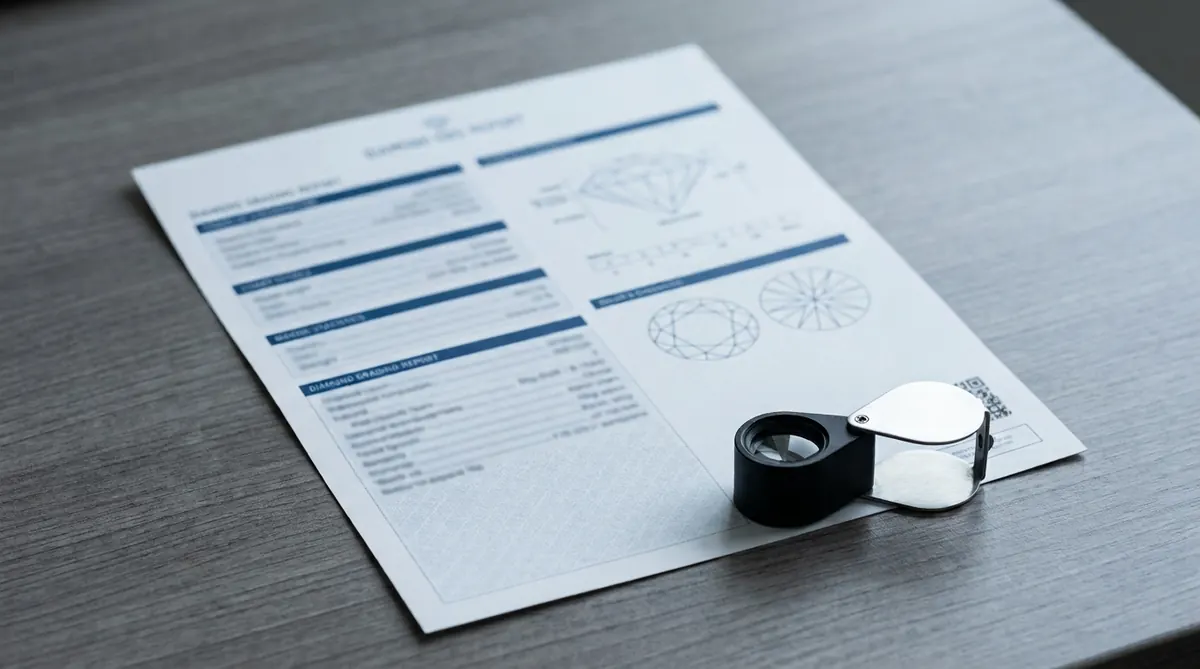
Check live prices — we don't print them here, because they change daily.
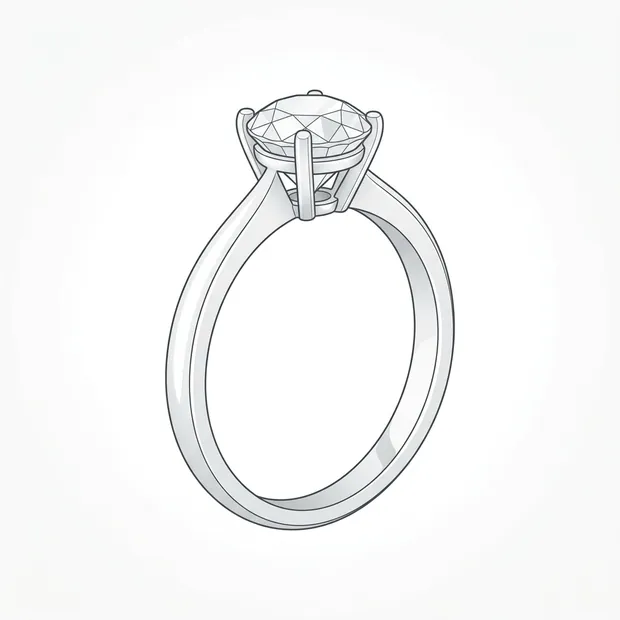
Rings
The centre stone is where nearly all the money goes. Compare the same specification at each — shape, carat, colour, clarity, cut grade and grading laboratory held identical, or you are not comparing anything.
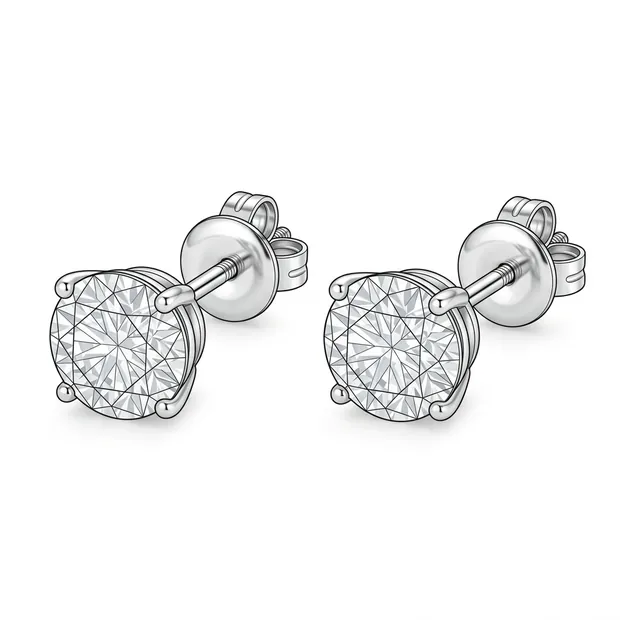
Earrings
Sold by total carat weight across the pair, so a 1ct pair is two half-carat stones. Cheap enough to make a sensible first purchase from a retailer you have not used before.
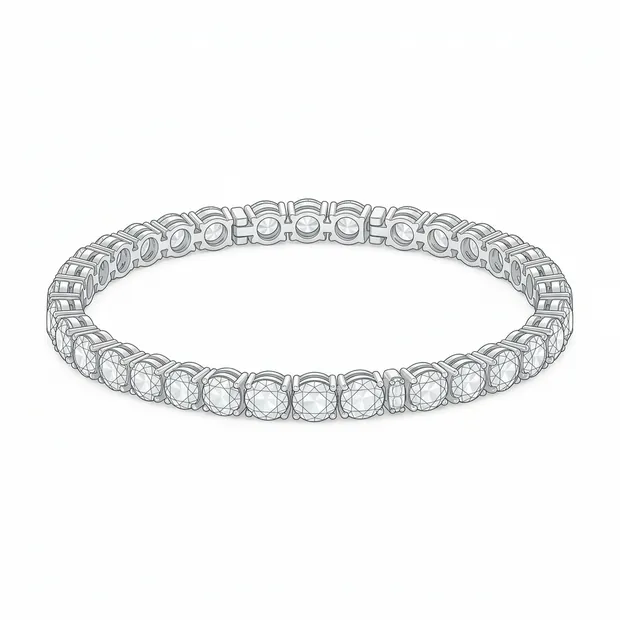
Bracelets
Check the clasp and the safety catch before the stone quality. A tennis bracelet that springs open on the wrist is the most common way people lose one.
Necklaces
The chain matters more than buyers expect. Check the gauge and the clasp — a heavy pendant on a thin chain is a repair waiting to happen.
Links open each retailer's own category page. Rare Carat links are affiliate links and earn us a commission if you buy, at no extra cost to you. The others are plain links that earn us nothing today. If that changes, this line changes with it. Every relationship is listed on the disclosure page.
A different market
Below three carats you are shopping a category. At five, you are shopping individual stones.
Supply thins sharply. Price per carat climbs steeply rather than gradually. Two five-carat stones with identical paper grades can be priced far apart because at this level the market prices each stone on its own merits — proportions, fluorescence, the exact character of the inclusions, the specific shade within a colour grade.
The practical consequence: comparison shopping works differently. At one carat you filter to a specification and take the cheapest match. At five, the cheapest match is cheapest for a reason, and finding that reason is the work.
Verify the report yourself
At any size we recommend checking the grading report number against the issuing laboratory's public database. At five carats it stops being a recommendation.
Take the number from the listing, enter it in the laboratory's own verification tool, and confirm every grade and measurement matches. It takes two minutes and it is the only check that costs nothing. Our certification guide covers how, and why the laboratory matters as much as the grades.
What the money is actually buying
Rarity, not just material. The step from three carats to five is not two carats of extra diamond — it is a move into a much smaller pool of rough capable of yielding a stone that size with acceptable proportions.
Cut becomes harder and more valuable. Cutting a large stone well means sacrificing weight to get proportions right, and a cutter facing that choice on expensive rough is under real pressure to keep the weight. A five-carat stone cut to preserve mass rather than beauty is a common and expensive mistake — see the 4Cs guide.
Everything visible is magnified. At around 11 mm across, there is nowhere for an inclusion or a tint to hide. Grades that were comfortable at one carat are not automatically comfortable here.
Lab-grown at this size
This is where lab-grown changes what is possible rather than merely what is affordable. A five-carat natural stone of good quality is out of reach for most budgets; a lab-grown one is not.
That is a genuine, large advantage, and there is nothing second-rate about the material — it is the same substance graded on the same scales by the same laboratories.
The counterweight is resale, and it weighs more at this size because more money is involved. Our lab-grown price guide explains why prices keep falling and what that does to upgrade credits.
On the investment question
People ask it more at this size, so it deserves a direct answer: no.
Diamonds resell for a fraction of retail. Large fine natural stones hold value better than small ones, but the gap between what you pay at retail and what a buyer will offer remains wide — you are crossing from the retail market to the wholesale one, and that difference is the entire retail industry. Our guide to selling sets out the mechanics.
Buy a five-carat diamond because you want to own it. Any other reason is a worse version of a different financial decision.
How to approach the purchase
- Fix the specification, then treat the results as candidates rather than equivalents.
- Verify each report number against the laboratory's database.
- Look at each stone at the highest magnification the retailer offers — at this price the imaging quality of the retailer is part of what you are buying.
- Compare millimetre measurements, not just carat weight, using the size chart.
- Ask about the return window and what voids it before paying — the returns comparison shows how easily that right is lost.
And insure it from the day it arrives. At this value a standard homeowners policy covers a small fraction of it, as our insurance guide explains.
Common questions
How much is a 5 carat diamond?
The spread at this weight is the widest of any size, because supply is thin and individual stones stop being comparable. Natural stones at five carats sit in a market where each is priced on its own merits. Lab-grown at the same weight costs a fraction. No single figure is meaningful — price a full specification live.
How big is a 5 carat diamond?
A well-proportioned round brilliant of five carats measures around 11 mm across, against about 6.5 mm at one carat. Five times the weight, roughly 1.7 times the width. It is unmistakably large on any hand.
Is a 5 carat diamond a good investment?
Treat it as a purchase, not an investment. Diamonds resell for a fraction of retail regardless of size, and while large fine natural stones hold value better than small ones, the gap between what you pay and what you would be offered remains substantial. Buy it because you want to own it.
Should I get a 5 carat lab-grown instead?
At this weight lab-grown makes a five-carat ring reachable on a budget where a natural stone would not be. That is a genuine and large advantage. The counterweight is resale value, which is poor and falling, and matters more at a purchase this size.