Retailer review
VRAI: the only retailer that makes its own diamonds
Every other retailer on this site buys diamonds from someone. VRAI grows them — at a facility in the Pacific Northwest running on hydroelectric power, then cuts and finishes them in the United States. That vertical integration is the entire proposition, and it is the reason the sustainability claim here is checkable where most are not.
We earn a commission if you buy through links on this page, at no extra cost to you. It never changes what a policy says — see our methodology and full disclosure. We are not affiliated with any retailer reviewed here; all trademarks belong to their owners.
Check live prices — we don't print them here, because they change daily.
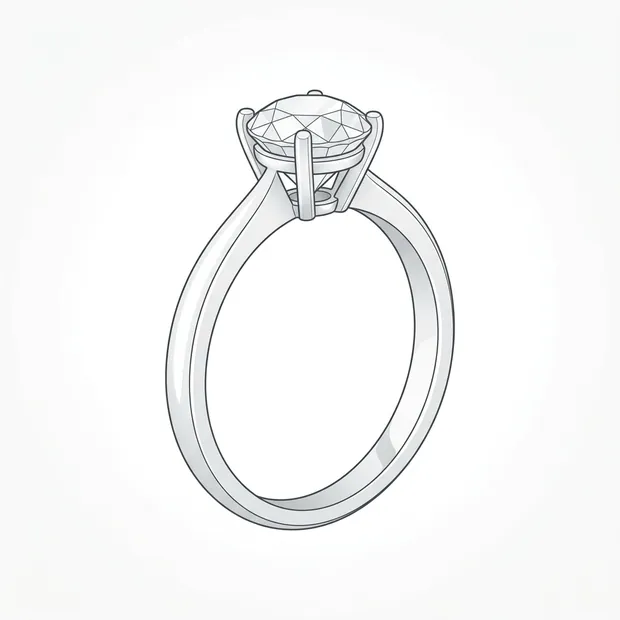
Rings
The centre stone is where nearly all the money goes. Compare the same specification at each — shape, carat, colour, clarity, cut grade and grading laboratory held identical, or you are not comparing anything.
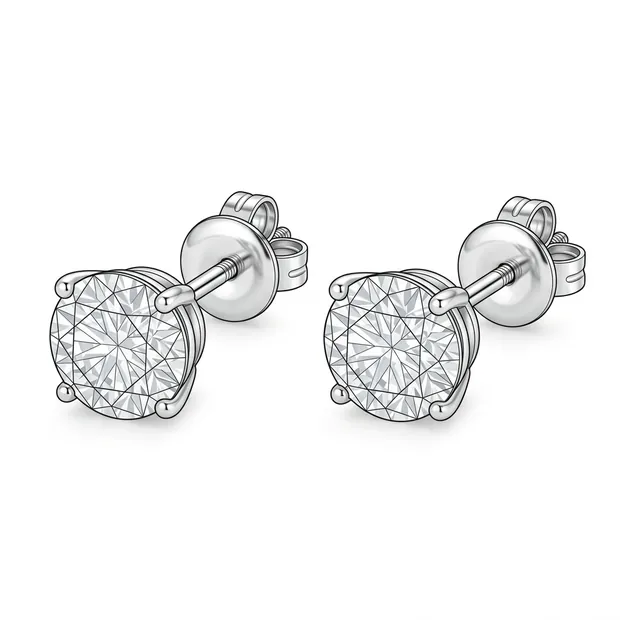
Earrings
Sold by total carat weight across the pair, so a 1ct pair is two half-carat stones. Cheap enough to make a sensible first purchase from a retailer you have not used before.
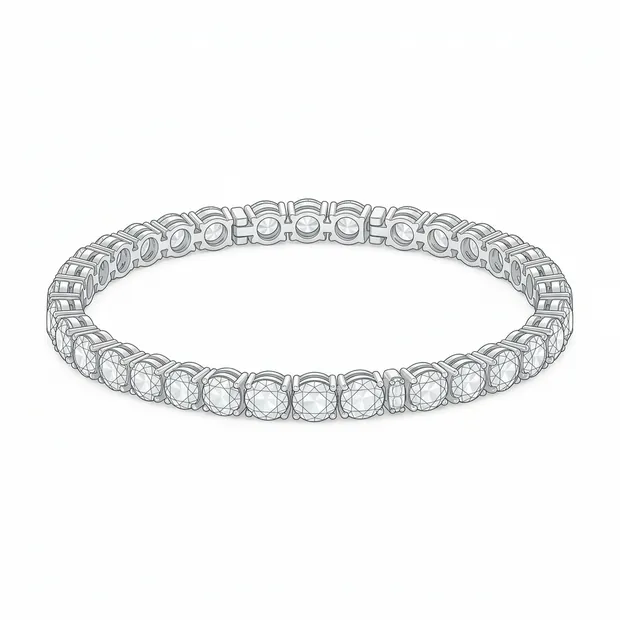
Bracelets
Check the clasp and the safety catch before the stone quality. A tennis bracelet that springs open on the wrist is the most common way people lose one.
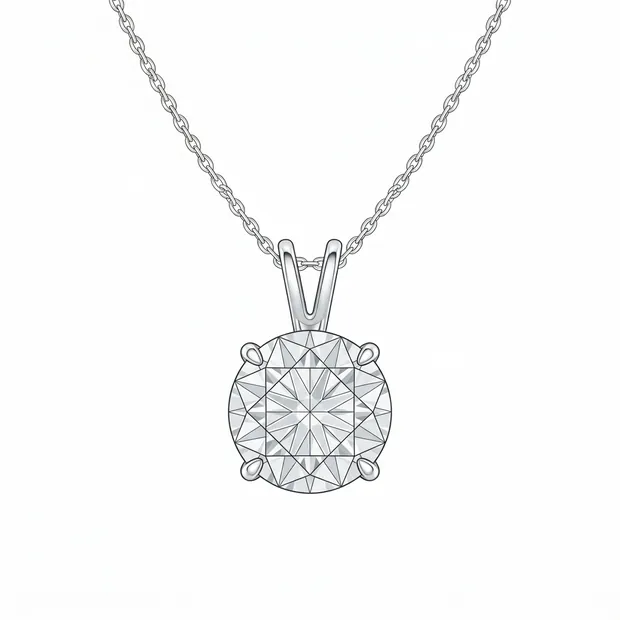
Necklaces
The chain matters more than buyers expect. Check the gauge and the clasp — a heavy pendant on a thin chain is a repair waiting to happen.
Links open each retailer's own category page. Rare Carat links are affiliate links and earn us a commission if you buy, at no extra cost to you. The others are plain links that earn us nothing today. If that changes, this line changes with it. Every relationship is listed on the disclosure page.
Holds up
- Grows its own stones — the supply chain is one company rather than a network
- Production runs on hydroelectric power, and the facility is a matter of public record
- Cut and finished in the US rather than outsourced
- Carbon-neutral certification, which is a documented claim rather than a slogan
Does not
- Prices at a premium — you are paying for the provenance, not for more stone
- Selection is narrower than any large retailer's
- Lab-grown only, so no natural option if you change your mind
- The environmental case rests on one facility's energy source, which is worth understanding before you pay for it
Why vertical integration matters here specifically
The lab-grown market has an unresolved problem, and we raise it on every page that touches the subject: growing diamonds is energy-intensive, how clean that energy is varies enormously between producers, and almost nobody discloses it.
Most retailers cannot answer the question because they buy from a network of growers and do not know themselves. The marketing says sustainable; the supply chain says unknown.
VRAI is the exception on this site, and for a structural reason rather than a virtuous one: it grows its own stones. When the grower and the retailer are one company, the question has an answer.
The facility is in the Pacific Northwest and runs on hydroelectric power from the Columbia River. The stones are cut and finished in the United States rather than sent to overseas cutting centres. VRAI holds carbon-neutral certification for its diamonds.
Those are specific, checkable claims. That is what separates them from the category's usual language, and it is worth more than the claims themselves.
What you are actually buying
Not more diamond. A comparable lab-grown stone at a broker-model retailer will be cheaper, sometimes considerably.
You are buying a known origin — the specific facility, the specific energy source, the specific country of cutting. If that matters to you, no other retailer here can supply it. If it does not, you are paying a premium for information you will not use.
That is a clean trade, and it deserves stating plainly rather than dressing up.
The comparison worth making
Against Brilliant Earth, the interesting difference is what the sustainability claim rests on. Brilliant Earth's case is built on traceability in mined supply chains — genuine, and mostly about its natural stones. VRAI's is built on owning the production of lab-grown ones.
Against Grown Brilliance or Clean Origin, the difference is price against provenance. Those are lab-grown specialists competing on value; VRAI is not competing there and does not pretend to.
Our lab-grown guide sets out the wider question, including the part that applies here as everywhere: lab-grown prices keep falling, and resale is poor regardless of who grew the stone.
Who should buy here
Opens VRAI's own site. We are not in their affiliate programme and earn nothing from this link.
If provenance is a condition of the purchase and you want it documented rather than asserted, this is the strongest case on the site. If you want the most stone per dollar, compare the lab-grown specialists instead.
What this review is based on
We read VRAI's own published policies — returns, warranty, resizing, exclusions — and record the date. We explain how the business is structured and who owns it. Everything on this page can be checked against a primary source in a few minutes, and we link to them.
We do not buy from the retailers we write about, and we do not run price or imaging tests. So we do not tell you:
- How the ring looks in the hand against how it looked on screen
- Packaging, delivery, and whether promised dates hold
- How a return goes in practice, as against how it reads on paper
- Which retailer is cheaper on any given specification — check it live, it changes daily
For live prices, use the buttons on this page — they open the retailer's current listings. For ownership accounts, read verified purchase reviews on the retailer's own site alongside independent threads.
Common questions
Who owns VRAI?
Diamond Foundry, a diamond producer that grows stones for both industrial and jewellery use. VRAI was founded in 2014 and acquired in 2016. It sets only Diamond Foundry stones, which is why the supply chain is unusually short — the grower and the retailer are one company.
Are VRAI diamonds real diamonds?
Yes. They are lab-grown diamonds — carbon in the same crystal structure as mined stones, graded on the same scales. VRAI uses chemical vapour deposition, building the crystal atom by atom over several weeks.
Is VRAI more expensive than other lab-grown retailers?
Generally yes. You are paying for the production provenance, the US cutting and the certification rather than for more carat weight. If the priority is the largest, cleanest stone per dollar, a broker-model retailer will beat it. If the provenance is the point, nobody else can offer this.
Is the sustainability claim credible?
It is more checkable than most, which is the honest way to put it. VRAI names its facility, its energy source and its certification — specific, verifiable claims rather than the vague environmental language common in this category. Growing diamonds remains energy-intensive; the question is where the energy comes from, and here that is on the record.