Guide
Lab-grown vs natural: the honest trade-off
They are the same material, graded on the same scales, and one of them has lost most of its value over five years. That is the entire decision, and both facts point in the same direction.
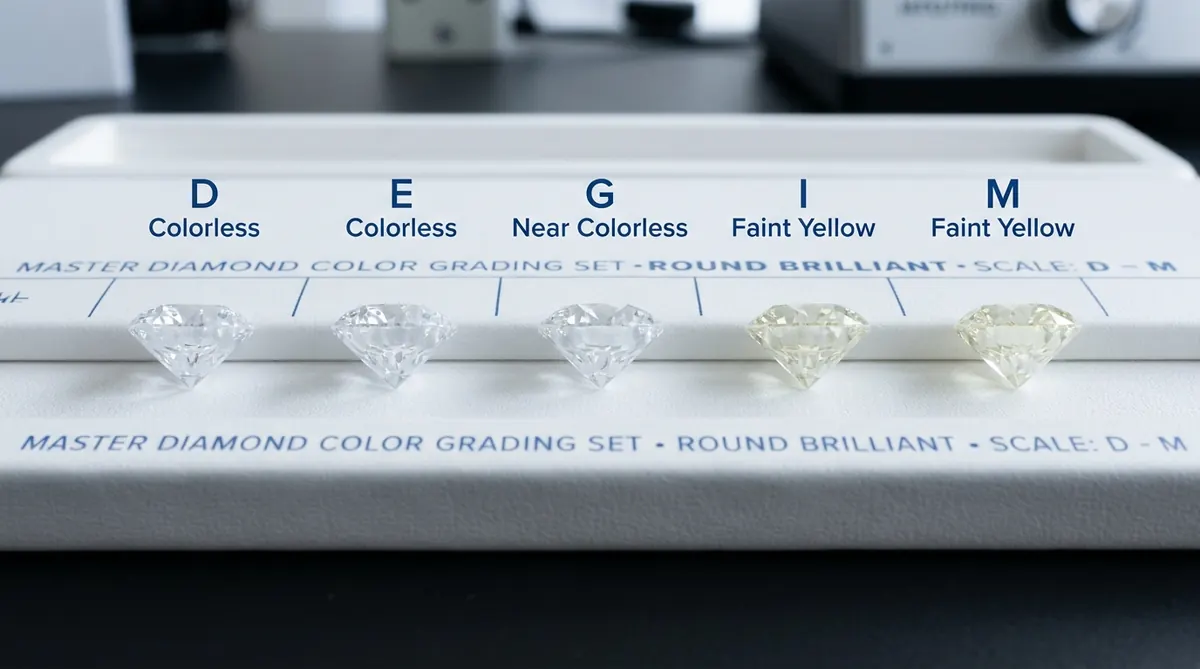
Check live prices — we don't print them here, because they change daily.
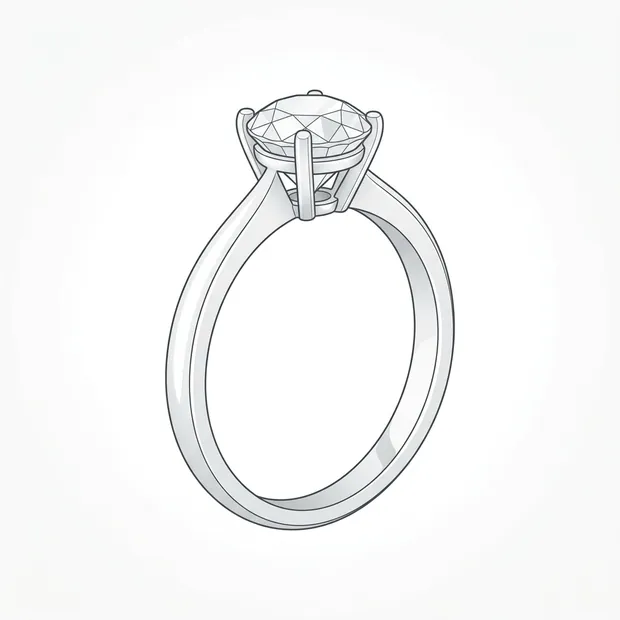
Rings
The centre stone is where nearly all the money goes. Compare the same specification at each — shape, carat, colour, clarity, cut grade and grading laboratory held identical, or you are not comparing anything.
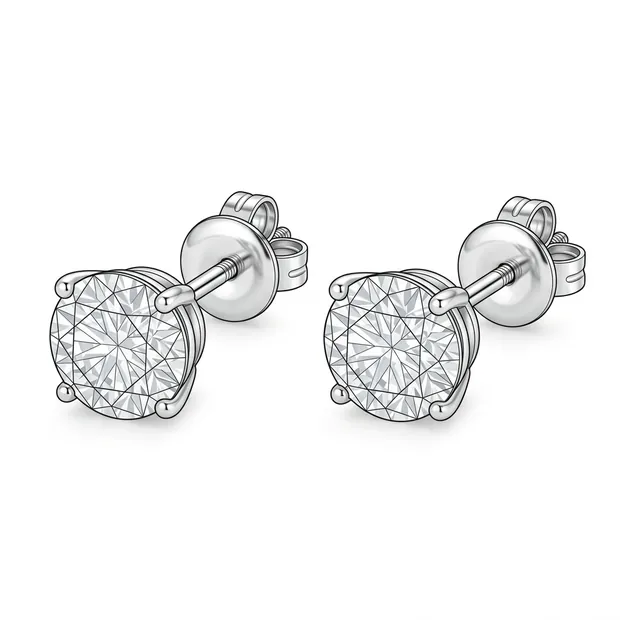
Earrings
Sold by total carat weight across the pair, so a 1ct pair is two half-carat stones. Cheap enough to make a sensible first purchase from a retailer you have not used before.
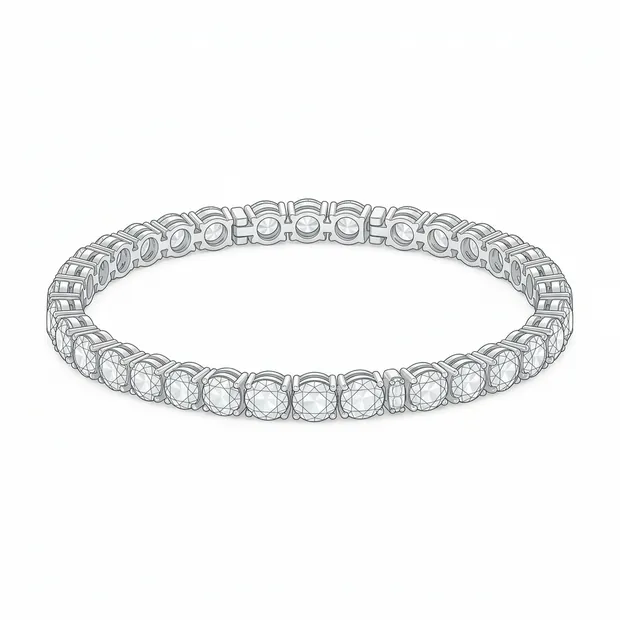
Bracelets
Check the clasp and the safety catch before the stone quality. A tennis bracelet that springs open on the wrist is the most common way people lose one.
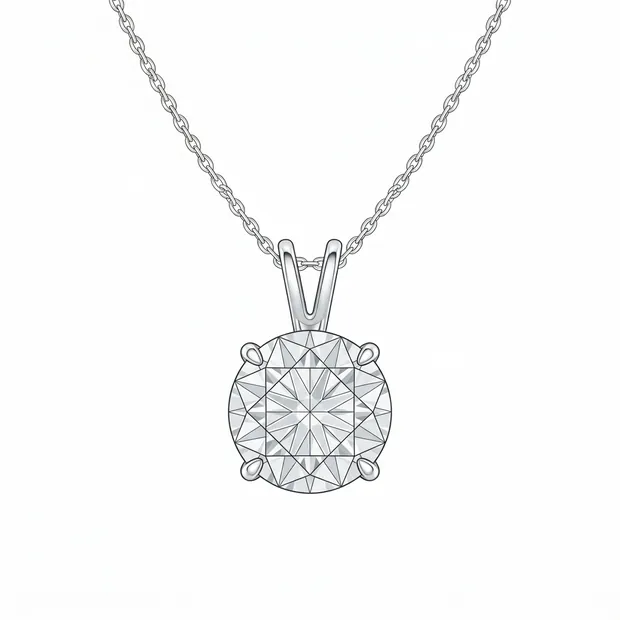
Necklaces
The chain matters more than buyers expect. Check the gauge and the clasp — a heavy pendant on a thin chain is a repair waiting to happen.
Links open each retailer's own category page. Rare Carat links are affiliate links and earn us a commission if you buy, at no extra cost to you. The others are plain links that earn us nothing today. If that changes, this line changes with it. Every relationship is listed on the disclosure page.
The technical argument is settled and has been for a while. A lab-grown diamond is carbon in the same crystal lattice as a mined one, with the same hardness, the same refractive behaviour, the same everything that determines how it looks. Grading laboratories assess them on the same scales. Telling them apart requires instruments, not an eye.
So the choice is not about authenticity. It is about two things: what you get for your money today, and what happens to that money afterwards.
Today: lab-grown wins on specification, decisively
At any given budget, a lab-grown stone buys substantially more — more weight, higher grades, better cut, or all three. The gap is not marginal and it has widened as production has scaled.
For a buyer whose goal is the best-looking ring a fixed sum will purchase, this is close to a settled question.
Afterwards: the value problem is real
Production capacity grew faster than demand, and prices fell hard — the same stone costs a fraction of what it did a few years ago. The trajectory has not obviously stopped.
Two consequences follow, and retailers tend to mention neither.
Resale is poor. Diamonds of any origin resell badly, but lab-grown resells worse, and the market's direction means a stone bought today is likely worth less again in a few years.
Upgrade programmes cut differently. Several retailers offer trade-up schemes crediting the original purchase price against a larger stone. Read whether lab-grown is included and on what terms, because a credit fixed at your original price behaves very differently in a falling market than a rising one. That is one of the terms we read in full rather than taking from the marketing page.
Where it stops being a numbers question
Buy lab-grown if you want maximum stone for the money, if the alternative is a smaller natural diamond you will find underwhelming, or if you would rather put the difference toward something else entirely.
Buy natural if the piece is meant to be traded up, resold, or inherited with its value intact, or if the origin genuinely matters to you. That last reason is not irrational — it is simply not a claim about the material.
The sourcing argument, in both directions
Lab-grown is often sold as the ethical option. It avoids mining, which is a real point. It is also energy-intensive, and how clean that energy is varies enormously by producer and is rarely disclosed.
Mined diamonds carry the industry's history, and the standard "conflict-free" assurance addresses a narrower question than most buyers assume: whether the stone financed armed conflict, not the conditions it was extracted under. Retailers differ substantially in how far past that baseline they go, which is one of the axes on which we grade them.
Neither option is clean by default. Both have a defensible version and a marketing version, and the distance between the two is the thing worth checking.
Common questions
Are lab-grown diamonds real diamonds?
Yes. They are carbon in the same crystal structure, with the same hardness and optical behaviour. They are graded on the same scales by the same laboratories. The difference is origin, and it is detectable only with specialised equipment.
Can a jeweller tell the difference?
Not by eye. Identification requires instruments that read the growth signatures, which is why reports state the origin explicitly. Nobody looking at your hand will know.
Do lab-grown diamonds hold their value?
Poorly. Production capacity has grown faster than demand and prices have fallen sharply. Resale is worse than the retail price drop implies. Buy a lab-grown stone for what it is — more size and quality per dollar today — not as a store of value.
Should I buy lab-grown or natural?
If the priority is the largest, cleanest, best-cut stone your budget will buy, lab-grown wins decisively and it is not close. If the piece is meant to be resold, traded up, or handed down with its value intact, natural is the more defensible choice. Anything else is preference.