Retailer review
Grown Brilliance review: lab-grown only, and that is the point
Grown Brilliance sells lab-grown diamonds and nothing else. No natural inventory to price around, no natural margins to protect. That focus is the whole proposition — and the reason to think twice is not the stones, it is the age of the company standing behind a lifetime warranty.
We earn a commission if you buy through links on this page, at no extra cost to you. It never changes what a policy says — see our methodology and full disclosure. We are not affiliated with any retailer reviewed here; all trademarks belong to their owners.
Check live prices — we don't print them here, because they change daily.
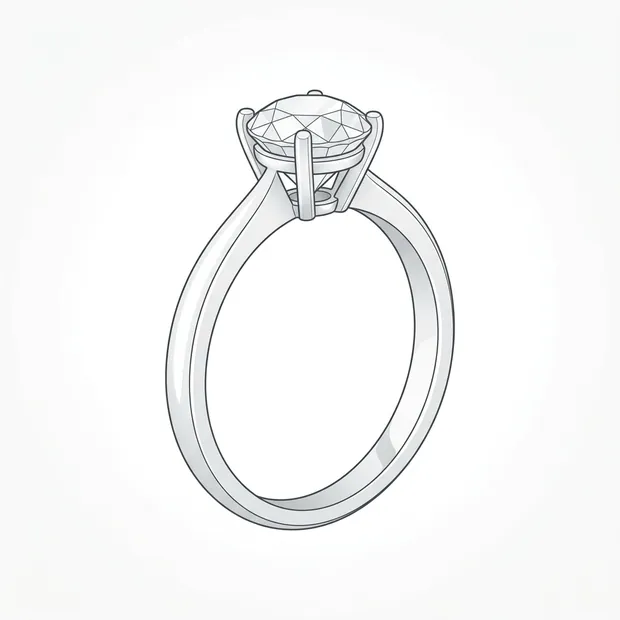
Rings
The centre stone is where nearly all the money goes. Compare the same specification at each — shape, carat, colour, clarity, cut grade and grading laboratory held identical, or you are not comparing anything.
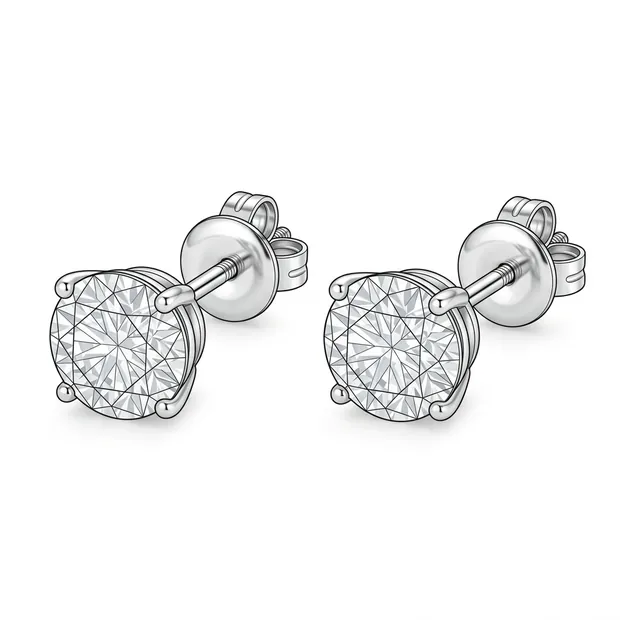
Earrings
Sold by total carat weight across the pair, so a 1ct pair is two half-carat stones. Cheap enough to make a sensible first purchase from a retailer you have not used before.
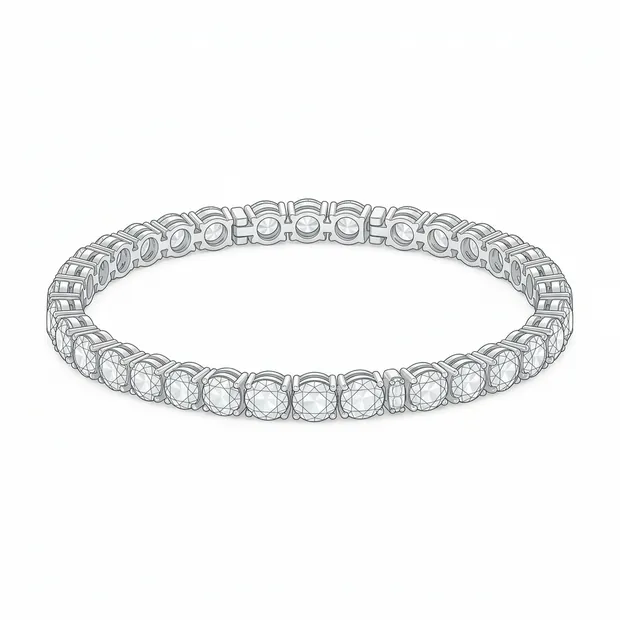
Bracelets
Check the clasp and the safety catch before the stone quality. A tennis bracelet that springs open on the wrist is the most common way people lose one.
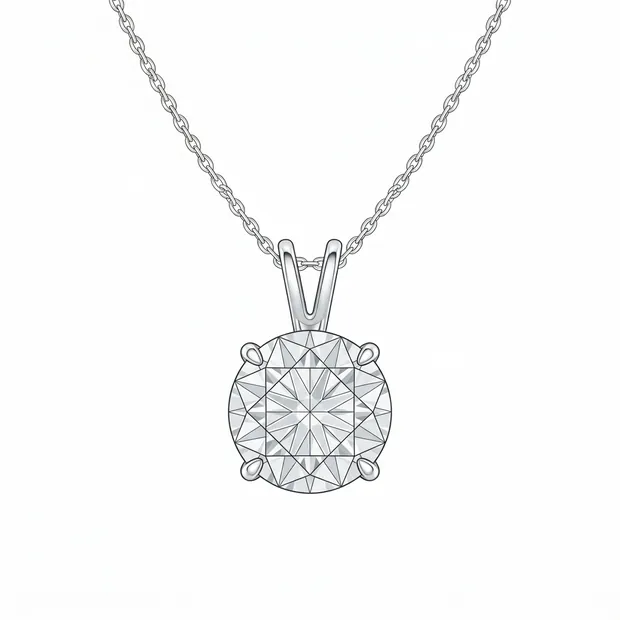
Necklaces
The chain matters more than buyers expect. Check the gauge and the clasp — a heavy pendant on a thin chain is a repair waiting to happen.
Links open each retailer's own category page. Rare Carat links are affiliate links and earn us a commission if you buy, at no extra cost to you. The others are plain links that earn us nothing today. If that changes, this line changes with it. Every relationship is listed on the disclosure page.
Holds up
- No natural inventory means no incentive to price lab-grown against a protected range
- Founder is a third-generation jeweller, not a marketing startup
- Centre stones certified through IGI and GIA, verifiable before you pay
- Growing US showroom network, so service is not exclusively by post
Does not
- Founded in 2021 — the youngest company on this site by fifteen years
- A lifetime warranty is a promise about the next forty years from a four-year-old business
- No natural option if you change your mind mid-purchase
- Lab-grown resale is poor and falling; the focus that lowers your price also concentrates that risk
What the focus actually buys you
Every other retailer on this site sells lab-grown alongside natural stones. That creates a tension nobody advertises: price lab-grown too keenly and you cannibalise a higher-margin natural range.
Grown Brilliance has no such range. It sells lab-grown and nothing else, so everything it does — sourcing, imaging, settings, marketing — points one direction. In practice that tends to show up as keener pricing on comparable lab stones, and it is the strongest argument for buying here rather than from a generalist.
The age question, stated plainly
Founded in 2021, it is the youngest company covered on this site by roughly fifteen years. That is not a criticism of the product; the stones are certified by the same laboratories as everyone else's, and the founder comes from three generations in the trade.
It matters for one thing specifically: a lifetime warranty is a promise about the next forty years. As the warranty comparison sets out, warranty service has to route back to the seller — having a third party jeweller touch the ring commonly voids it outright. So the question is not whether the warranty is written in good faith. It is who will be there to honour it.
Weigh that against the saving with the actual numbers in front of you, not as a principle.
Certification: check it yourself
Centre stones are certified through IGI and GIA. Lab-grown grading skews heavily toward IGI across the whole industry, which matters when comparing prices — as our certification guide explains, grades are comparable within a laboratory, not across them. Compare an IGI stone to an IGI stone.
Take the report number from any listing and check it against the issuing laboratory's public database before paying. Two minutes, costs nothing, and it is the single check almost nobody performs.
The sustainability claim, examined
Lab-grown is routinely sold as the ethical option, and a lab-grown-only retailer has the simplest version of that argument: no mining, because there is no mined inventory.
That is true as far as it goes. What it leaves out — here and at every retailer making the claim — is that growing diamonds is energy-intensive, how clean that energy is varies enormously between producers, and almost nobody discloses it.
Treat "sustainable lab-grown" as a claim requiring evidence rather than a conclusion. Our lab-grown guide sets out both sides without picking one.
The thing that applies to every lab-grown purchase
Lab-grown prices have fallen sharply and the direction has not obviously changed.
Excellent news buying today: substantially more stone per dollar than a natural equivalent. Poor news for anything you plan to resell or trade up, and the trade-up point deserves particular attention — an upgrade programme crediting your original purchase price behaves very differently in a falling market than a rising one.
Read whatever upgrade terms are offered with that in mind, wherever you buy.
Who should buy here
If lab-grown is decided, you want the specialist's pricing, and you weigh the age of the company against the saving with open eyes — this is a strong option, and it competes directly with Brilliant Earth at a lower price.
If you have not settled lab versus natural, or a decades-long warranty is central to the purchase, a longer-established retailer carrying both gives you more room. That comparison is set out in full on Brilliant Earth vs Grown Brilliance.
Check Price at Grown Brilliance
Opens Grown Brilliance's own rings category. We are not in their affiliate programme and earn nothing from this link.
What this review is based on
We read Grown Brilliance's own published policies — returns, warranty, resizing, exclusions — and record the date. We explain how the business is structured and who owns it. Everything on this page can be checked against a primary source in a few minutes, and we link to them.
We do not buy from the retailers we write about, and we do not run price or imaging tests. So we do not tell you:
- How the ring looks in the hand against how it looked on screen
- Packaging, delivery, and whether promised dates hold
- How a return goes in practice, as against how it reads on paper
- Warranty and repair service once something has gone wrong
- Which retailer is cheaper on any given specification — check it live, it changes daily
For live prices, use the buttons on this page — they open the retailer's current listings. For ownership accounts, read verified purchase reviews on the retailer's own site alongside independent threads.
Common questions
Is Grown Brilliance legitimate?
Yes. It was founded in 2021 by Akshie Jhaveri, a third-generation jeweller, operates a growing network of US showrooms, and certifies centre stones through IGI and GIA so you can verify the report yourself before paying. It is a younger company than the others covered here, which is a consideration for long-term service rather than a doubt about the product.
Are lab-grown diamonds from a specialist different?
No. A lab-grown diamond is the same material regardless of who sells it, and grading is done by the same independent laboratories. What differs between retailers is price, selection, imaging and terms — never the stones themselves.
Is Grown Brilliance cheaper than Brilliant Earth?
On comparable lab stones, generally yes. A lab-grown-only retailer has no natural range to price around and no natural margins to protect. How large the gap is on your specification changes daily — set the same filters at both and compare the cheapest exact match.
Do lab-grown diamonds hold their value?
Poorly, and that is the honest caveat behind every lab-grown purchase. Production capacity grew faster than demand and prices have fallen sharply. Buy for what it is — more stone per dollar today — not as a store of value.