Guide
Which grading reports to trust
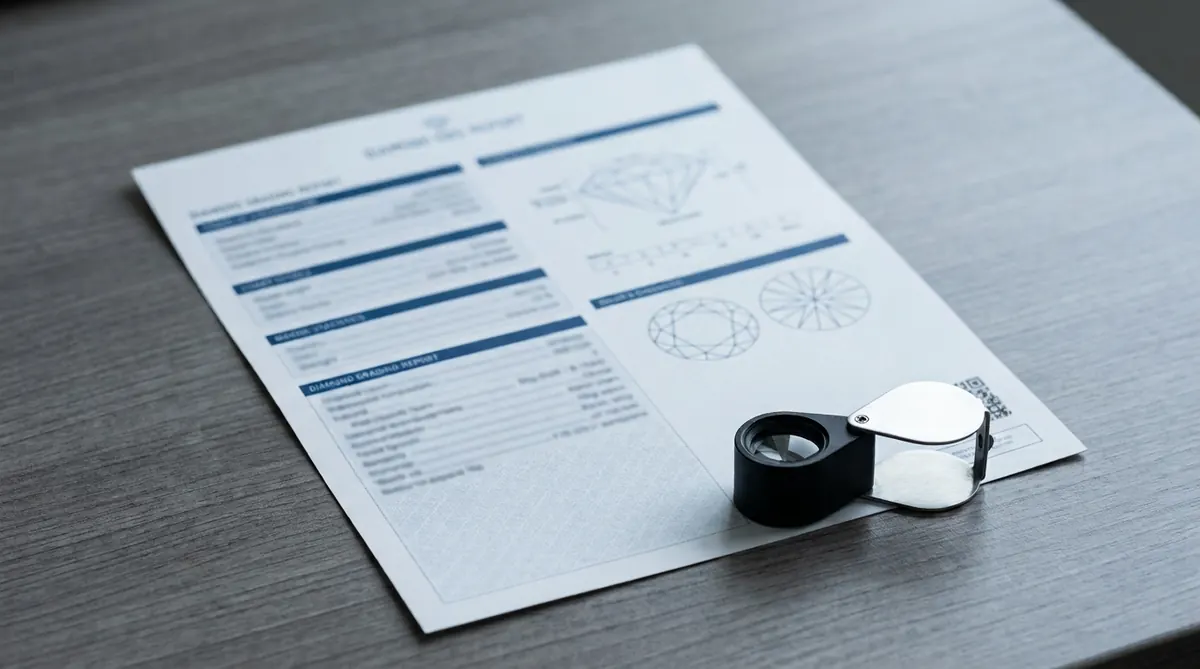
A grading report is only worth the reputation of the laboratory that issued it. Two labs dominate online retail, they are not equivalent, and a handful of others exist mainly to make a stone's grades look better than they are.
Check live prices — we don't print them here, because they change daily.
Rings
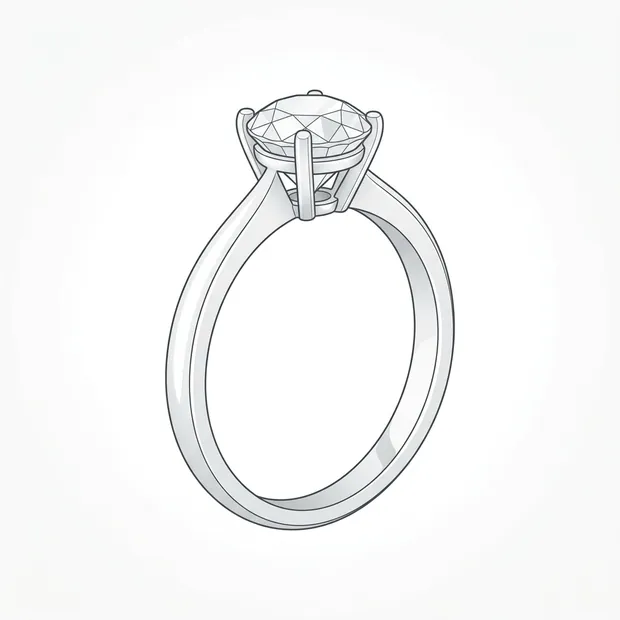
The centre stone is where nearly all the money goes. Compare the same specification at each — shape, carat, colour, clarity, cut grade and grading laboratory held identical, or you are not comparing anything.
Earrings
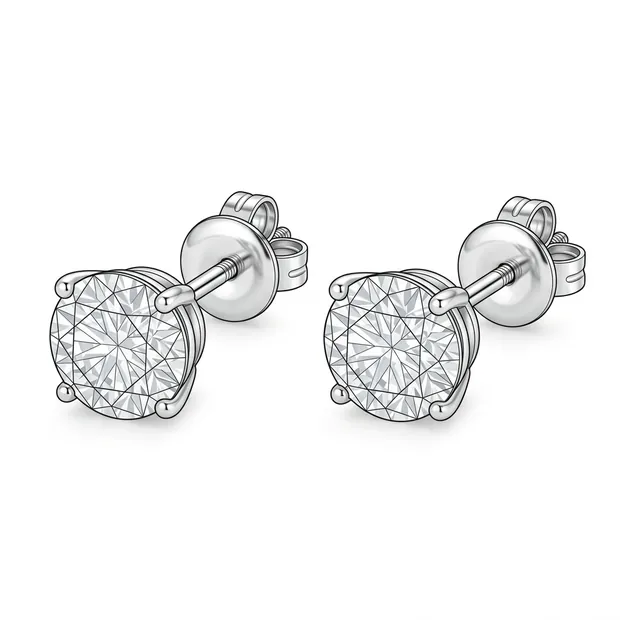
Sold by total carat weight across the pair, so a 1ct pair is two half-carat stones. Cheap enough to make a sensible first purchase from a retailer you have not used before.
Bracelets
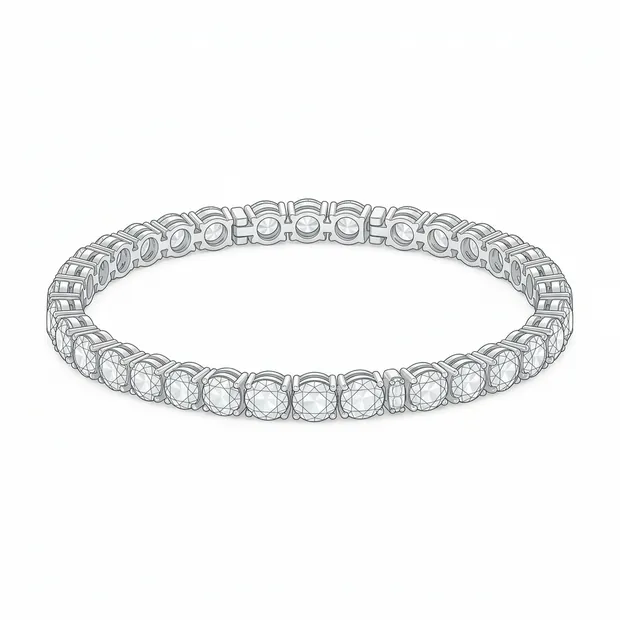
Check the clasp and the safety catch before the stone quality. A tennis bracelet that springs open on the wrist is the most common way people lose one.
Necklaces
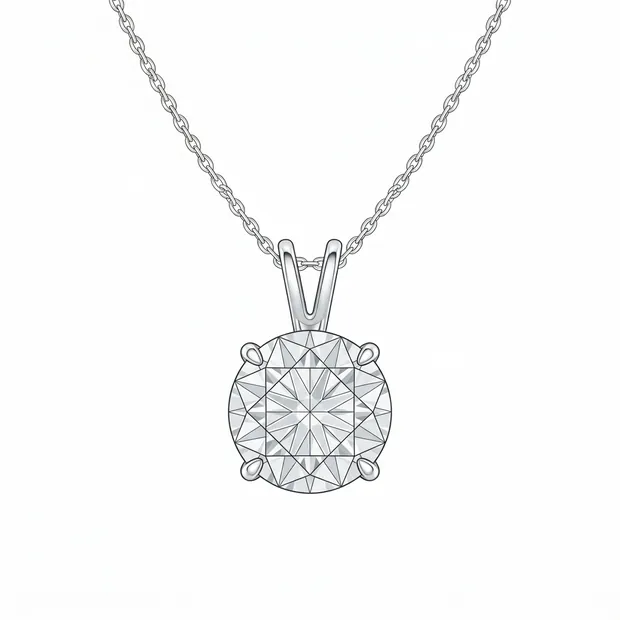
The chain matters more than buyers expect. Check the gauge and the clasp — a heavy pendant on a thin chain is a repair waiting to happen.
Links open each retailer's own category page. Rare Carat links are affiliate links and earn us a commission if you buy, at no extra cost to you. The others are plain links that earn us nothing today. If that changes, this line changes with it. Every relationship is listed on the disclosure page.
Every stone worth buying online arrives with a grading report, and every retailer says its diamonds are certified. The word does very little work on its own. What matters is which laboratory signed it.
Why the laboratory changes the grade
Grading is judgement applied to a scale. Different laboratories apply it with different strictness, which means the same physical stone can come back a grade apart depending on who examined it.
The practical rule follows directly: grades are comparable within a laboratory, not across them. A VS1 from one lab and a VS1 from another are not interchangeable, and a stone that looks like a bargain against its specification is sometimes just a stone graded somewhere generous.
This is also why our price comparisons match on grading laboratory as well as on the four grades. Comparing a GIA stone to a stone graded elsewhere and calling the price difference a discount would be meaningless.
The two you will actually encounter
GIA wrote the modern grading scales and is the reference point for natural diamonds. It grades the stone and, notably, declines to grade the mounting or assign a value.
IGI grades a large volume of the lab-grown market and appears heavily on lab-grown listings for that reason.
Others exist. Some are reputable; several are known within the trade for grading more loosely than either of the above. If a listing carries a report from a laboratory you have not heard of, treat the grades as the seller's claim rather than an independent assessment, and price the stone accordingly.
The part of the report worth reading
Most people look at the four grades and stop. The more useful section is the plot diagram — the map showing where each inclusion sits.
As covered in the 4Cs guide, clarity grades count and size inclusions without saying where they are. The plot tells you. An inclusion at the girdle, likely hidden by a prong, is a different proposition from one under the table in the centre of your view, and the two can carry an identical grade.
Verify it yourself, before you pay
This takes two minutes and almost nobody does it.
- Find the report number on the listing.
- Enter it in the issuing laboratory's own public verification database.
- Check that every grade and measurement on the retrieved record matches the listing.
The point is not that major retailers falsify reports — they do not. The point is that this is the one check that costs you nothing and confirms the document is real and describes the stone you are being sold. If a retailer will not display the report number before purchase, that is itself a finding.
What a certificate does not do
It does not appraise the stone, and it is not an insurance valuation. It does not tell you whether the diamond is well priced. It does not tell you how the stone actually looks — a report and a good video are complementary, not substitutes, which is why we audit imaging separately.
Common questions
Is GIA better than IGI?
GIA is generally regarded as the stricter and more consistent grader of natural diamonds, and it originated the scales everyone uses. IGI grades a large share of the lab-grown market. The practical consequence is that grades are only comparable within a lab, so compare a GIA stone to a GIA stone.
How do I verify a diamond certificate?
Take the report number from the listing and enter it in the issuing laboratory's own public database. GIA and IGI both publish one. The record should match the listing on every grade and measurement. If the retailer will not show you the report number before purchase, that is your answer.
Do lab-grown diamonds get certificates?
Yes, and you should insist on one. Reports for lab-grown stones state the growth method and any post-growth treatment alongside the usual grades. IGI issues the majority of them.
What is a plot diagram?
A map on the report showing where each inclusion sits within the stone. It is the most useful part of the document, because clarity grades tell you how many inclusions there are and how large, but not whether they land somewhere you will see them.