Guide
The 4Cs, without the sales pitch
Four grades decide what a diamond costs. Only one of them decides what it looks like. Retailers rarely put it that way, because three of the four are easier to upsell.
Check live prices — we don't print them here, because they change daily.
Rings
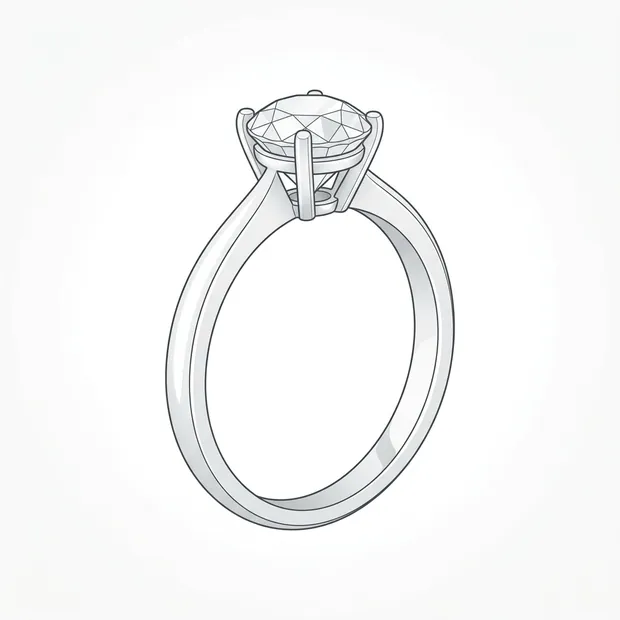
The centre stone is where nearly all the money goes. Compare the same specification at each — shape, carat, colour, clarity, cut grade and grading laboratory held identical, or you are not comparing anything.
Earrings
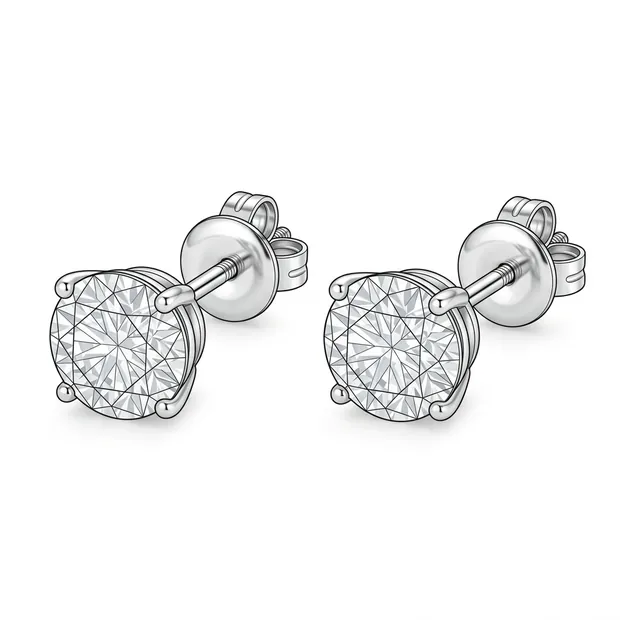
Sold by total carat weight across the pair, so a 1ct pair is two half-carat stones. Cheap enough to make a sensible first purchase from a retailer you have not used before.
Bracelets
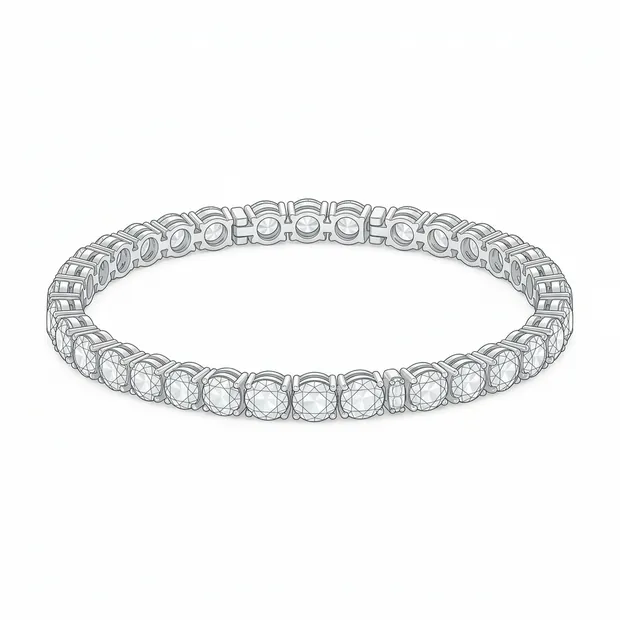
Check the clasp and the safety catch before the stone quality. A tennis bracelet that springs open on the wrist is the most common way people lose one.
Necklaces
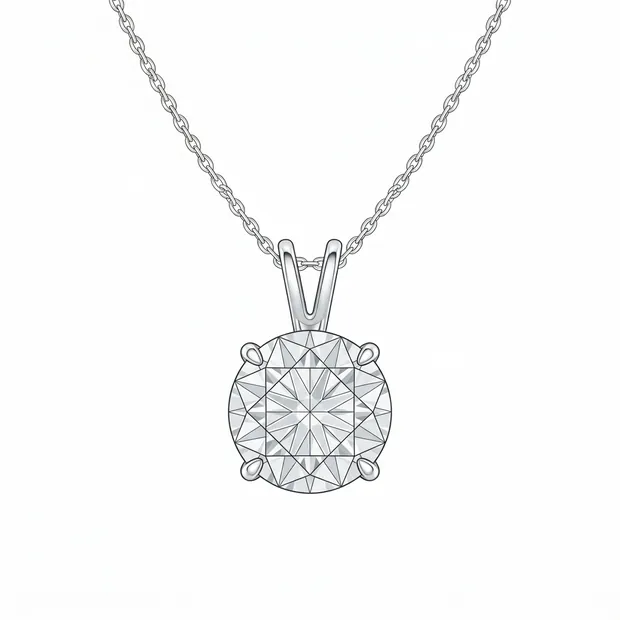
The chain matters more than buyers expect. Check the gauge and the clasp — a heavy pendant on a thin chain is a repair waiting to happen.
Links open each retailer's own category page. Rare Carat links are affiliate links and earn us a commission if you buy, at no extra cost to you. The others are plain links that earn us nothing today. If that changes, this line changes with it. Every relationship is listed on the disclosure page.
Four letters and a number decide the price of a diamond. They do not contribute equally to what you end up looking at, and the gap between price impact and visible impact is where most of the money is wasted.
Cut: the only one that changes what you see
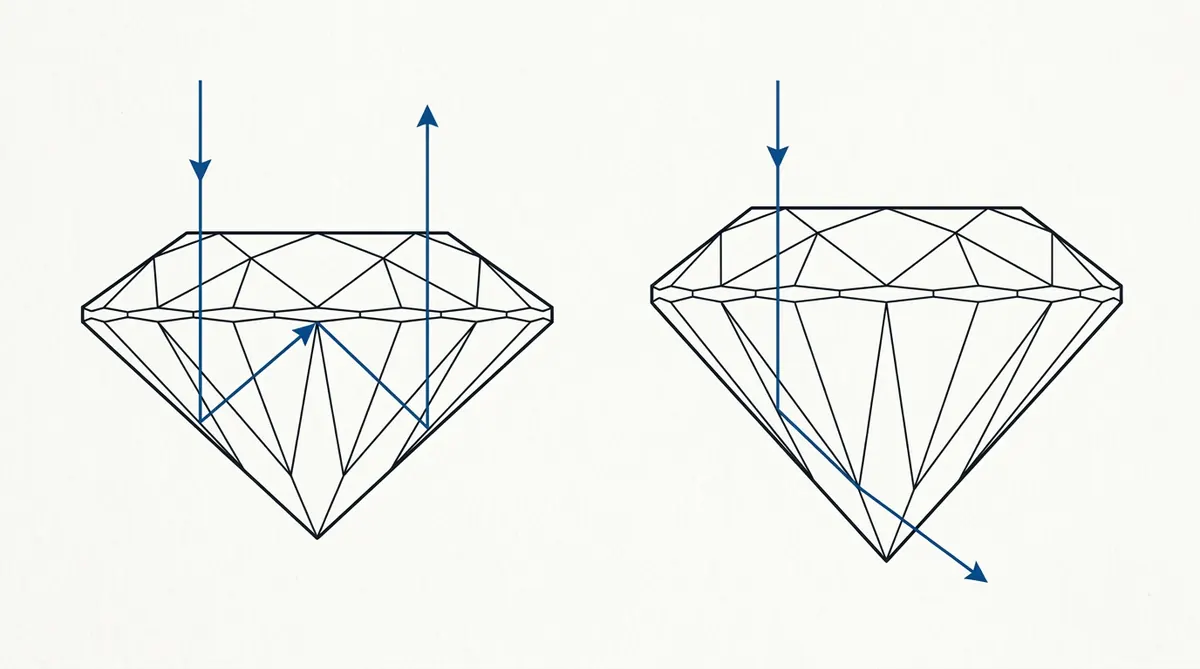
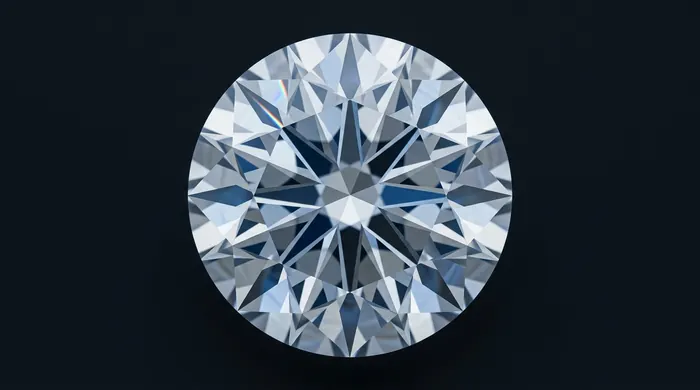
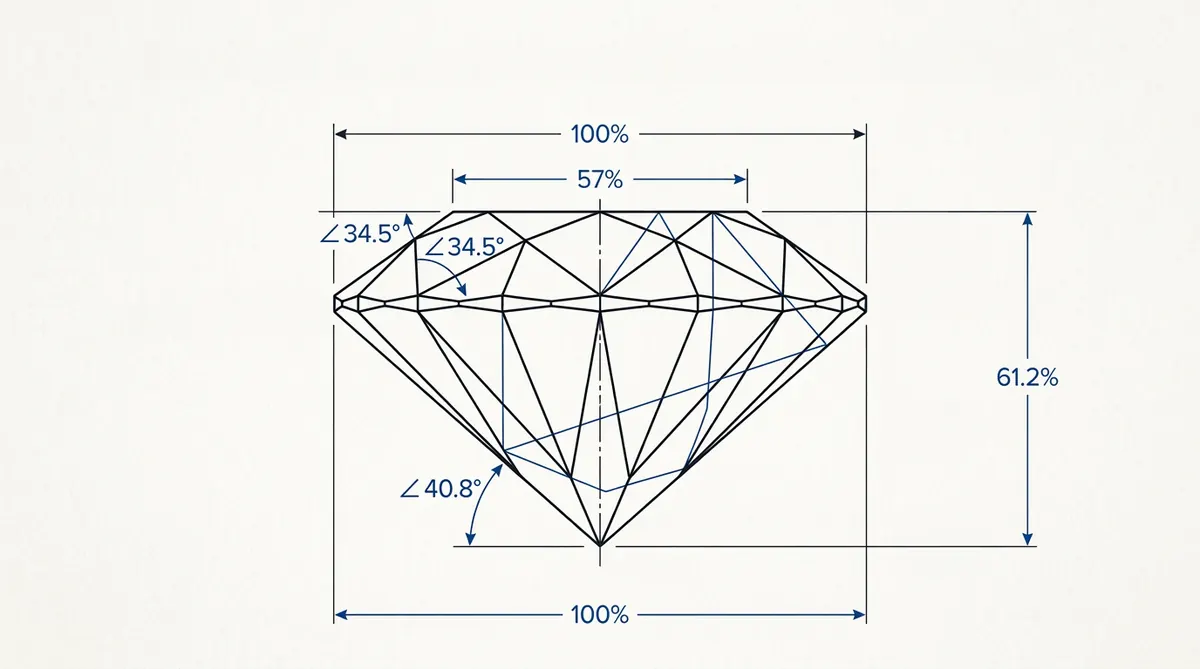
Cut is not the shape. Round, oval, emerald — that is shape. Cut is how well the stone's proportions were executed, and it governs how light enters, bounces and returns to your eye.
A superbly cut stone in a modest colour and clarity grade will out-sparkle a poorly cut one two grades higher on both. It is the only C that a person notices from across a table, and it is the one most likely to be compromised when a retailer optimises a listing to hit a price point.
If the budget forces a trade, protect cut and give ground elsewhere. That advice is unglamorous, which is why you rarely see it in a product description.
 Round
Round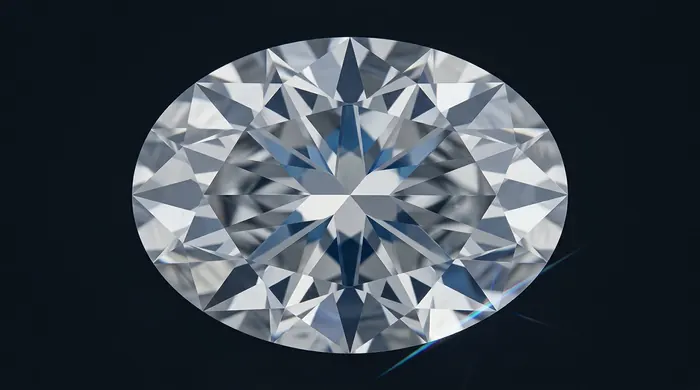 Oval
Oval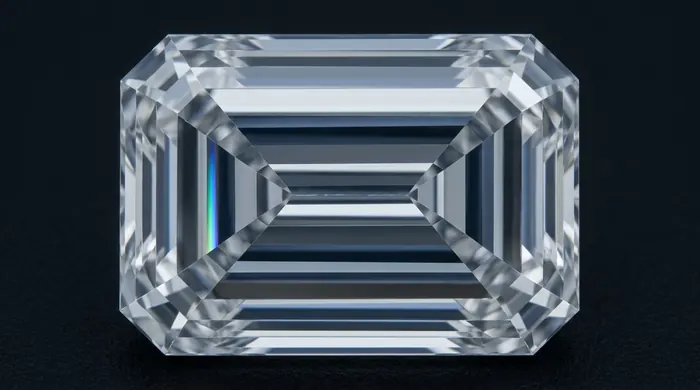 Emerald
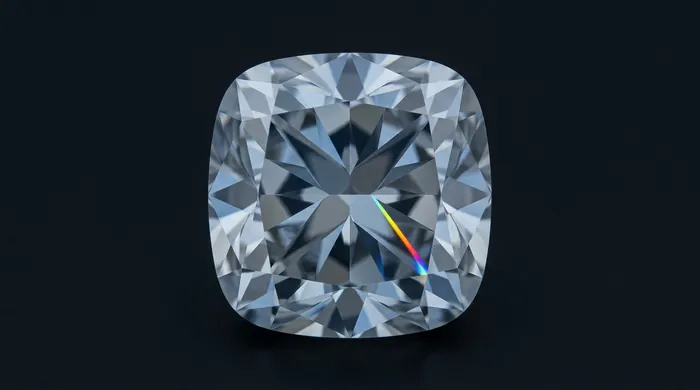 Cushion
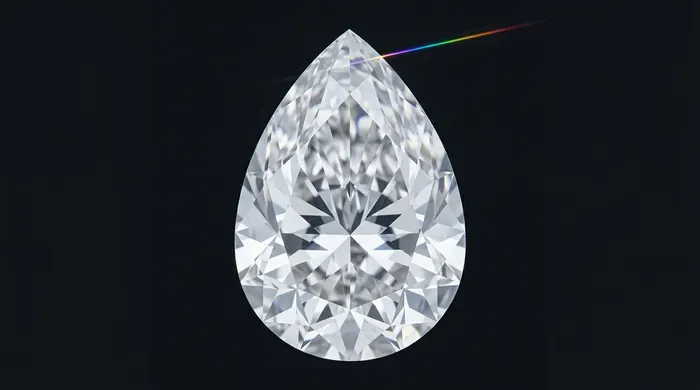 Pear
Pear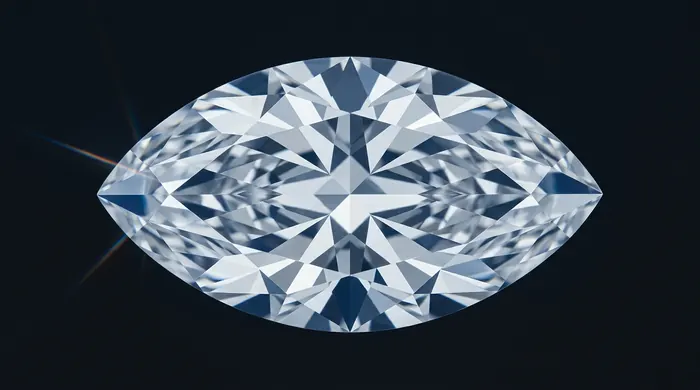 Marquise
Colour: graded in a lab, worn in a room
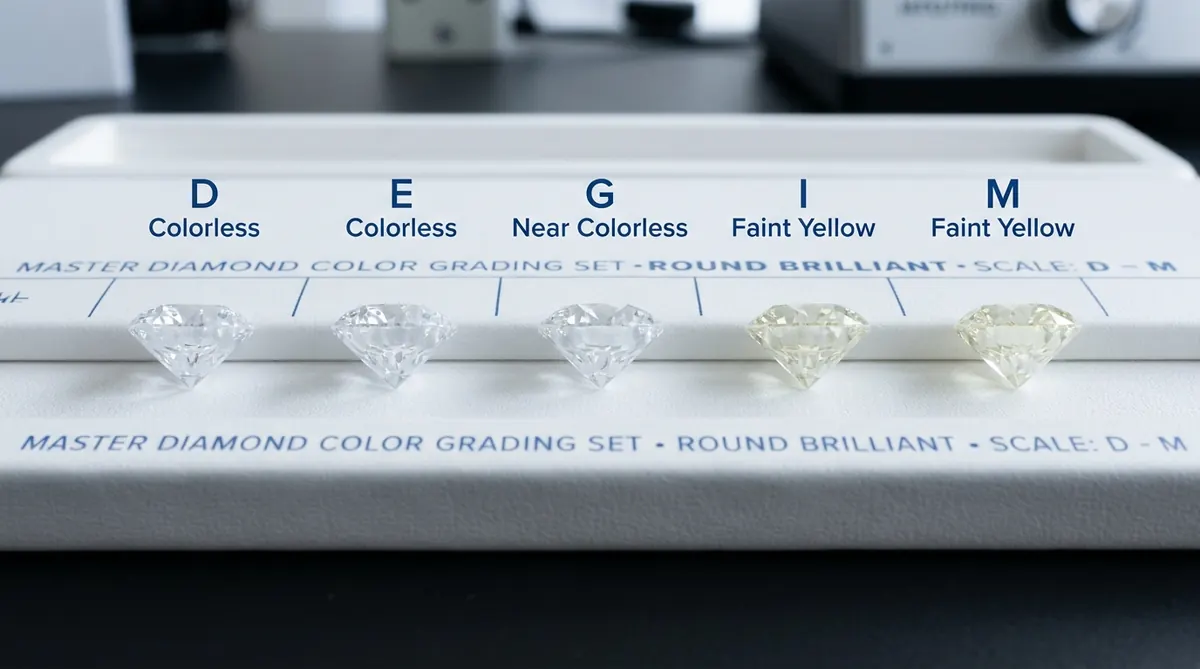
The scale runs D to Z, from colourless downward. The grading is done face-down under controlled lighting against a master set — conditions that have nothing in common with wearing a ring.
Face up, in a setting, on a hand, the differences compress dramatically. The near-colourless band is where most buyers land, and in yellow or rose gold the metal warms the stone regardless, so paying for a top colour grade in a yellow setting is money spent on a difference the mounting erases.
Clarity: what the grade does not tell you
Clarity grades count and size inclusions. They say nothing about where those inclusions sit, and placement is what determines whether you see anything.
This is the single most useful thing to understand before shopping. Two stones with the same grade from the same lab can look completely different: an inclusion tucked at the girdle and hidden by a prong is invisible; the same inclusion under the table, in the middle of your field of view, is not.
The practical consequence is that clarity is the grade you cannot shop on numbers alone. You have to look at the stone — which is why the plot diagram on the report and the quality of a retailer's imaging matter more here than anywhere else.
Carat: a weight, not a size
Carat is mass. Two stones of equal weight can face up noticeably different sizes depending on how the weight is distributed — a deep stone hides its weight below the girdle where nobody sees it.
Prices also step sharply at round weights. The market pays a premium for the number on the certificate, so a stone just under a landmark weight frequently costs meaningfully less than one just over it while measuring almost identically across the top. Compare the millimetre dimensions on the report, not only the carat figure.
What this means when comparing retailers
Two things follow, and both are why we grade retailers the way we do.
First, if clarity depends on inclusion placement, then a retailer that shows you the actual stone at usable magnification is selling you something a retailer showing a rendering cannot. That is a measurable difference, not a matter of taste, and we count it.
Second, because these grades are standardised, the same specification is genuinely comparable across retailers. Fix shape, weight, all four grades and the grading laboratory, set identical filters at two sites, and you are comparing like with like — which is the only way a price comparison in this category means anything.
Common questions
Which of the 4Cs matters most?
Cut, and it is not close. Cut governs how the stone returns light, which is the only property a person notices across a room. Colour and clarity are graded under conditions no one wears jewellery in, and carat is a weight, not a size.
Is a VS1 diamond better than a VS2?
It has a higher clarity grade. Whether it looks better depends on where the inclusions sit, which the grade does not tell you. A VS2 with inclusions near the girdle can be cleaner to the eye than a VS1 with a dark crystal under the table.
What is the lowest colour grade that still looks white?
In a white metal setting, most people cannot pick G, H or I out of a line-up without a reference stone beside them. In yellow or rose gold the setting warms the stone anyway, and buyers routinely go lower without a visible penalty.
Does a bigger carat weight always mean a bigger-looking diamond?
No. Carat is weight. A poorly proportioned stone can carry its weight in depth, where nobody sees it, and face up smaller than a lighter, better-cut diamond. Compare the millimetre measurements on the report, not just the weight.