Retailer review
Angara: when the answer isn't a diamond
Every other retailer here treats coloured stones as accents. Angara treats them as the point. If you are considering a sapphire or emerald instead of a diamond, the buying rules change substantially — and almost nothing you learned about the 4Cs transfers cleanly.
We earn a commission if you buy through links on this page, at no extra cost to you. It never changes what a policy says — see our methodology and full disclosure. We are not affiliated with any retailer reviewed here; all trademarks belong to their owners.
Check live prices — we don't print them here, because they change daily.
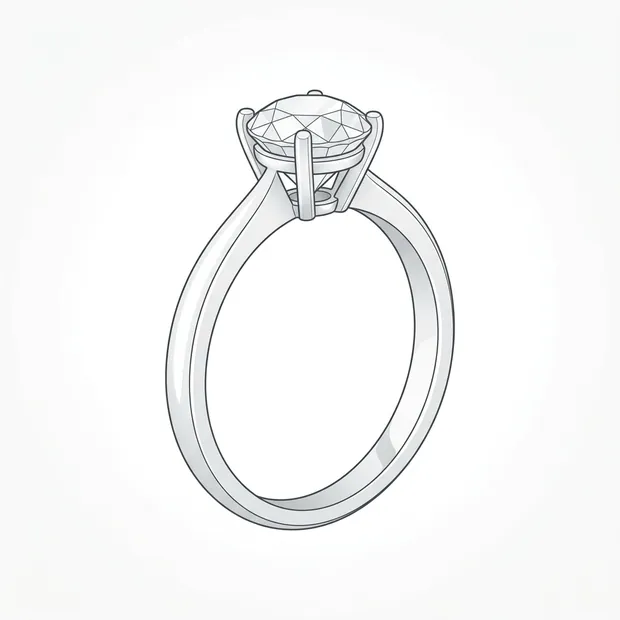
Rings
The centre stone is where nearly all the money goes. Compare the same specification at each — shape, carat, colour, clarity, cut grade and grading laboratory held identical, or you are not comparing anything.
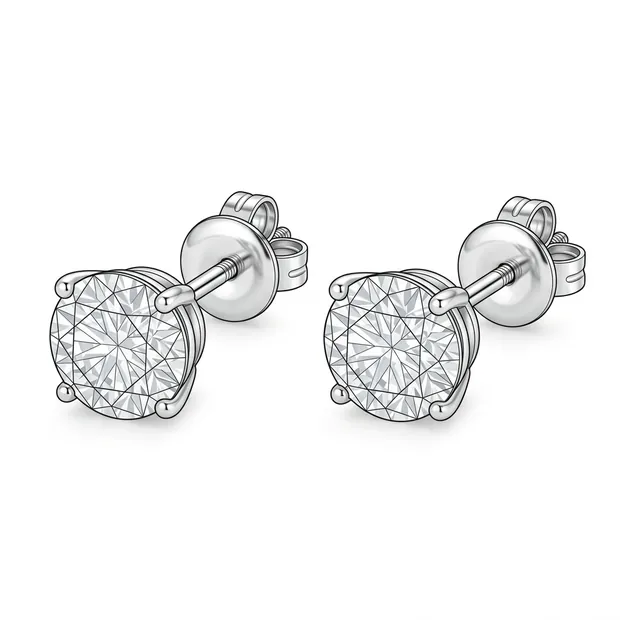
Earrings
Sold by total carat weight across the pair, so a 1ct pair is two half-carat stones. Cheap enough to make a sensible first purchase from a retailer you have not used before.
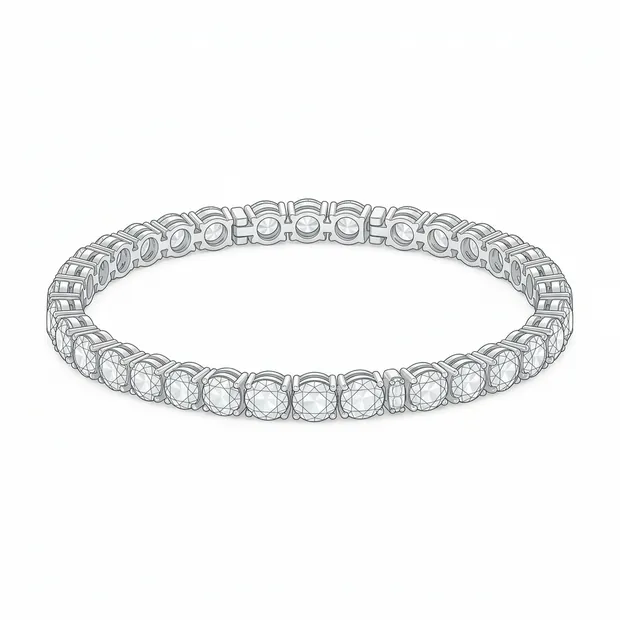
Bracelets
Check the clasp and the safety catch before the stone quality. A tennis bracelet that springs open on the wrist is the most common way people lose one.
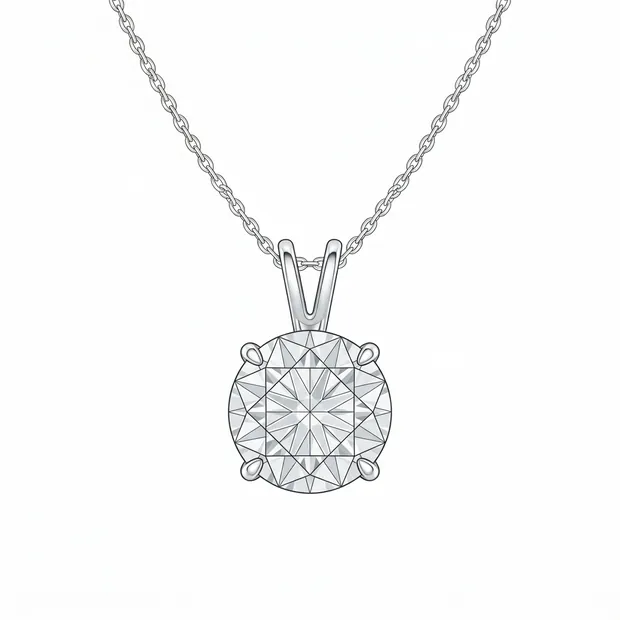
Necklaces
The chain matters more than buyers expect. Check the gauge and the clasp — a heavy pendant on a thin chain is a repair waiting to happen.
Links open each retailer's own category page. Rare Carat links are affiliate links and earn us a commission if you buy, at no extra cost to you. The others are plain links that earn us nothing today. If that changes, this line changes with it. Every relationship is listed on the disclosure page.
Holds up
- Built around coloured stones rather than treating them as an accent line
- Considerably more choice in sapphire, emerald and ruby than any diamond retailer carries
- Coloured stones cost far less per carat than diamonds at comparable size
- Trading since 2005, independent of the holding groups
Does not
- Coloured stone grading is far less standardised than diamond grading
- Treatment disclosure is the central risk, and it is easy to overlook
- Resale is poor — worse than diamonds, and diamonds are already poor
- Hardness varies by stone, which matters for something worn daily
Different stone, different rules
The 4Cs were built for diamonds and mostly do not transfer.
Colour is the price driver, not clarity. In a sapphire, saturation and tone determine value far more than the absence of inclusions. The same stone size can vary several times in price on colour alone — which is exactly the question a coloured stone buyer cannot answer and nobody explains.
Clarity expectations invert. An emerald without visible inclusions is so unusual it invites suspicion. The trade calls the internal landscape a garden, and it is expected. Applying diamond clarity standards here would rule out almost the entire market.
Grading is far less standardised. Diamond grading has GIA and a shared vocabulary. Coloured stone grading is more subjective and less consistent between laboratories, so certificates carry less weight than a diamond report does.
Treatment is the thing to ask about
This is the single most important sentence on this page: most coloured stones on the market are treated, usually heated to improve colour or clarity.
That is normal, accepted, and not deceptive in itself. What matters is disclosure, because treatment substantially affects value — an untreated sapphire of good colour commands a large premium over a heated one that looks identical.
Ask what treatment a specific stone has had. Get the answer in writing. A retailer that will not answer clearly has answered.
Durability, which the marketing skips
For something worn every day, hardness matters more than for a piece worn occasionally.
Sapphire and ruby sit just below diamond in hardness and handle daily wear well. Either is a sound choice for an engagement ring.
Emerald is a different proposition. It is softer, and it typically contains internal fractures that are part of its nature. An emerald engagement ring is beautiful and needs genuinely more care — it should come off for washing up, gardening and the gym. That rarely appears in the product description.
Resale, briefly
Poor, and worse than diamonds. The secondary market for coloured stones is thinner and more dependent on the specific stone's colour, which few buyers can assess.
If that matters, our guide to selling covers the mechanics — they apply here with the gap widened.
Who should buy here
Opens Angara's own site. We are not in their affiliate programme and earn nothing from this link.
If you want a coloured centre stone, this is the deepest selection on this site by a distance — the diamond retailers carry a handful of sapphires as a courtesy. If you are weighing a coloured stone against a diamond mainly on price, read the treatment section above first: the saving is real, and so is the homework it comes with.
What this review is based on
We read Angara's own published policies — returns, warranty, resizing, exclusions — and record the date. We explain how the business is structured and who owns it. Everything on this page can be checked against a primary source in a few minutes, and we link to them.
We do not buy from the retailers we write about, and we do not run price or imaging tests. So we do not tell you:
- How the stone's colour looks in person against how it looks on screen
- Packaging, delivery, and whether promised dates hold
- How a return goes in practice, as against how it reads on paper
- Which retailer is cheaper on any given specification — check it live, it changes daily
For live prices, use the buttons on this page — they open the retailer's current listings. For ownership accounts, read verified purchase reviews on the retailer's own site alongside independent threads.
Common questions
Is Angara legit?
Yes. It has traded since 2005, is independent, and specialises in coloured gemstone jewellery with a far deeper selection than any diamond retailer carries. As with any coloured stone purchase, the thing to verify is treatment disclosure rather than the company.
Are coloured stones cheaper than diamonds?
Generally yes, and often by a wide margin at comparable size. A sapphire centre stone at the size of a one-carat diamond typically costs considerably less. The saving is real; the trade-offs are grading standardisation, treatment disclosure and resale.
What is the biggest risk buying a coloured stone?
Treatment. Most coloured stones on the market are heated or otherwise treated to improve colour and clarity, which is normal and accepted — but it must be disclosed, and it affects value substantially. Ask what treatment a stone has had and get the answer in writing before paying.
Is a sapphire durable enough for an engagement ring?
Sapphire and ruby are among the hardest gemstones after diamond and are well suited to daily wear. Emerald is not — it is softer and typically contains internal fractures, which is why emerald engagement rings need more care than the marketing implies.