Retailer review
1stDibs jewellery: the ring that already exists
Every other retailer here makes a ring for you. 1stDibs sells rings that already exist, through a marketplace of vetted dealers. That is a genuinely different purchase with different risks, and it is the only route on this site to a stone cut before modern proportions were standardised.
We earn a commission if you buy through links on this page, at no extra cost to you. It never changes what a policy says — see our methodology and full disclosure. We are not affiliated with any retailer reviewed here; all trademarks belong to their owners.
Check live prices — we don't print them here, because they change daily.
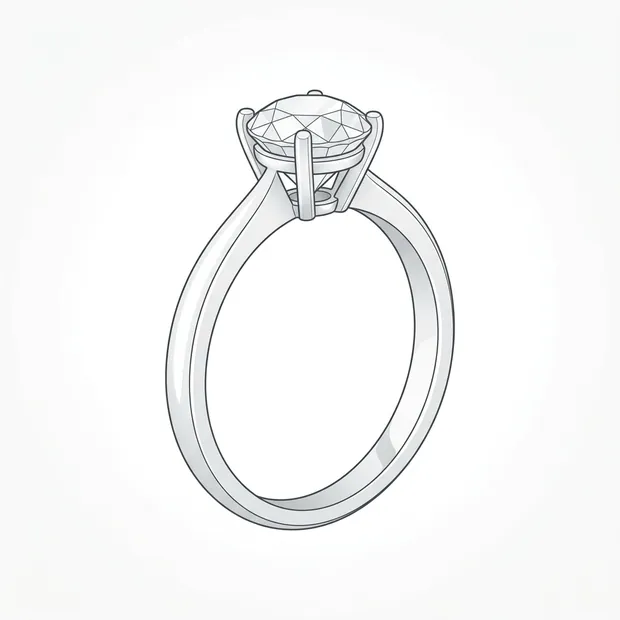
Rings
The centre stone is where nearly all the money goes. Compare the same specification at each — shape, carat, colour, clarity, cut grade and grading laboratory held identical, or you are not comparing anything.
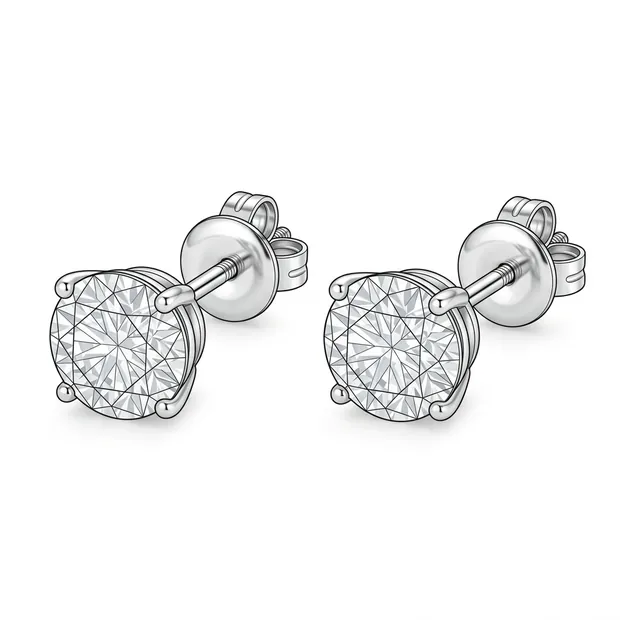
Earrings
Sold by total carat weight across the pair, so a 1ct pair is two half-carat stones. Cheap enough to make a sensible first purchase from a retailer you have not used before.
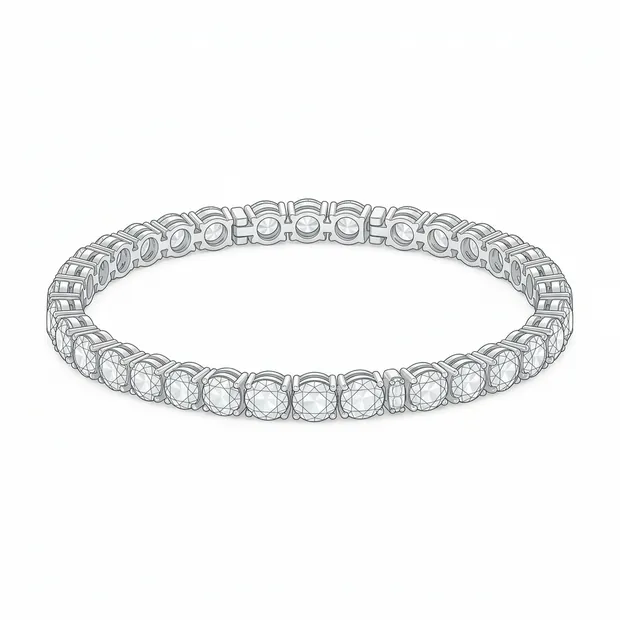
Bracelets
Check the clasp and the safety catch before the stone quality. A tennis bracelet that springs open on the wrist is the most common way people lose one.
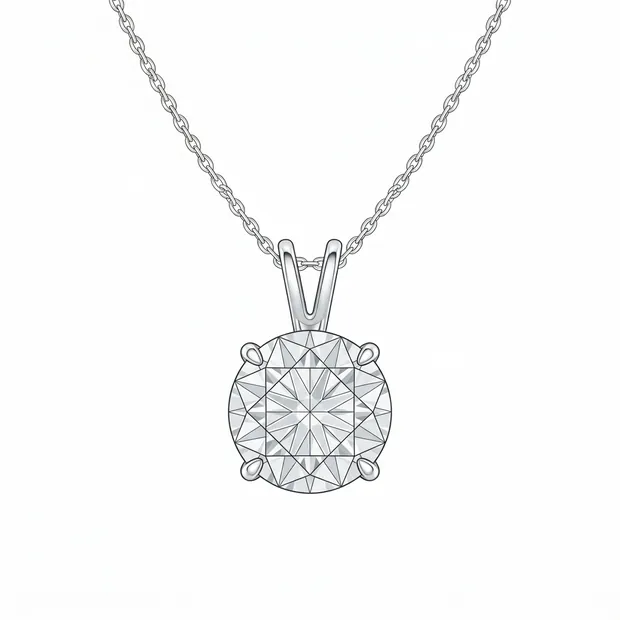
Necklaces
The chain matters more than buyers expect. Check the gauge and the clasp — a heavy pendant on a thin chain is a repair waiting to happen.
Links open each retailer's own category page. Rare Carat links are affiliate links and earn us a commission if you buy, at no extra cost to you. The others are plain links that earn us nothing today. If that changes, this line changes with it. Every relationship is listed on the disclosure page.
Holds up
- The only route here to genuinely vintage and estate pieces
- Dealers are vetted rather than open to anyone, unlike general marketplaces
- Older cuts have a character modern proportions do not reproduce
- A publicly listed company sits behind the platform
Does not
- You buy from a dealer, not from 1stDibs — terms vary listing to listing
- Older stones frequently have no modern grading report
- Antique cuts perform differently, and not always worse — but you must judge by eye
- Returns and resizing depend entirely on the individual dealer
First, a note on scope
1stDibs is mostly a furniture and design marketplace. Jewellery is one department within it, and a smaller one — which matters when you read general reviews of the platform. Most of them are written by people who bought a chair.
This page is only about the jewellery side, and specifically about estate and vintage pieces, which is the part no other retailer on this site offers.
A marketplace, not a retailer
The distinction matters more than it sounds, and it is the same one we set out for Rare Carat.
1stDibs connects you with a dealer. That dealer's terms govern — their return policy, their resizing arrangement, their responsiveness. Two listings on the same results page can carry completely different conditions.
The difference from a general marketplace is vetting: dealers are approved rather than able to list freely, and a publicly traded company sits behind the platform with a reputation to protect. That is meaningful, and it is not the same as buying from a retailer that stands behind the item itself.
Read the individual dealer's terms on the specific listing. Every time. Our returns comparison can state one policy for a retailer and cannot for a marketplace, and that limitation is the whole difference expressed in one line.
What antique cuts actually do
This is the interesting part, and it is poorly explained almost everywhere.
Old European and old mine cuts were shaped by hand, before electric light and before the mathematics of light return was worked out. They have smaller tables, higher crowns and larger culets, and they were cut to look their best under candlelight.
The result: broad, soft flashes of light rather than the fast sharp scintillation of a modern round brilliant.
Do not judge these by modern cut grades. The grading system was designed for modern proportions and does not describe what an antique cut is trying to do. A grade that reads poorly on paper can be a stone many people prefer once they have seen both side by side.
Our 4Cs guide explains why cut governs appearance; the point here is that it governs it differently in stones cut for a different light source.
The verification problem
Older stones frequently have no modern grading report, because they predate the system.
That is not a red flag on its own, but it changes what you are relying on. Without a report you are trusting the dealer's description and your own judgement, where at a modern retailer you would verify a report number against a laboratory database in two minutes.
What to do about it: ask whether the stone has been independently graded, and if not, whether the dealer will accept a return if an appraisal you commission disagrees with the description. The answer tells you a great deal about the dealer.
Pricing does not compare
You cannot benchmark an estate ring the way you can a new one. Each piece is individual — the era, the maker, the condition and the specific stone all matter, and there is no equivalent listing to price against.
That cuts both ways: it means genuine finds exist, and it means overpaying is easy and invisible. If you are used to comparing specifications across retailers, that tool does not work here.
Who should buy here
Opens 1stDibs' own site. We are not in their affiliate programme and earn nothing from this link.
If you want a ring with a history and are willing to do more homework per piece, this is the only route on this site that offers it. If you want to compare specifications and verify a report in two minutes, buy new — and if what appeals is the antique look rather than the antique stone, several retailers above make vintage-inspired settings with modern, verifiable diamonds in them.
What this review is based on
We read 1stDibs's own published policies — returns, warranty, resizing, exclusions — and record the date. We explain how the business is structured and who owns it. Everything on this page can be checked against a primary source in a few minutes, and we link to them.
We do not buy from the retailers we write about, and we do not run price or imaging tests. So we do not tell you:
- How any specific piece looks in person
- How dealer disputes are handled in practice
- Shipping and packaging on high-value items
- Which listing is fairly priced — estate pricing is not comparable across retailers
For live prices, use the buttons on this page — they open the retailer's current listings. For ownership accounts, read verified purchase reviews on the retailer's own site alongside independent threads.
Common questions
Is 1stDibs legitimate for jewellery?
Yes. It is a publicly traded marketplace connecting buyers with vetted dealers across art, design, furniture and jewellery. Jewellery is one department among several — most of the platform is furniture and design — so treat dealer reputation within that department as the thing to check, rather than the platform's overall standing.
Should I buy a vintage engagement ring?
It is a real alternative with a genuine appeal — older cuts have a warmth and character that modern optimised proportions do not reproduce, and the piece has a history. The trade is uncertainty: less standardised grading, often no modern report, and terms that vary by dealer.
Do vintage diamonds have grading reports?
Frequently not. Stones cut before modern grading was established were never assessed on today's scales, and having one graded now costs money and time. That is not a warning sign in itself, but it means you are relying more on the dealer's description and your own eyes.
Are old cuts worse than modern ones?
Different, not worse. Old European and old mine cuts were cut by hand under candlelight and were optimised for that, so they show broader, softer flashes rather than the sharp brilliance of a modern round. Many buyers prefer them once they have seen both. Judge by eye rather than by cut grade — the grade was not designed for these stones.