Retailer review
Whiteflash: selling the one grade that matters
Whiteflash sells the grade that decides how a diamond looks and mostly ignores the grades that decide how it sounds on paper. That is either exactly what you want or completely beside the point — and knowing which you are saves a great deal of money either way.
We earn a commission if you buy through links on this page, at no extra cost to you. It never changes what a policy says — see our methodology and full disclosure. We are not affiliated with any retailer reviewed here; all trademarks belong to their owners.
Check live prices — we don't print them here, because they change daily.
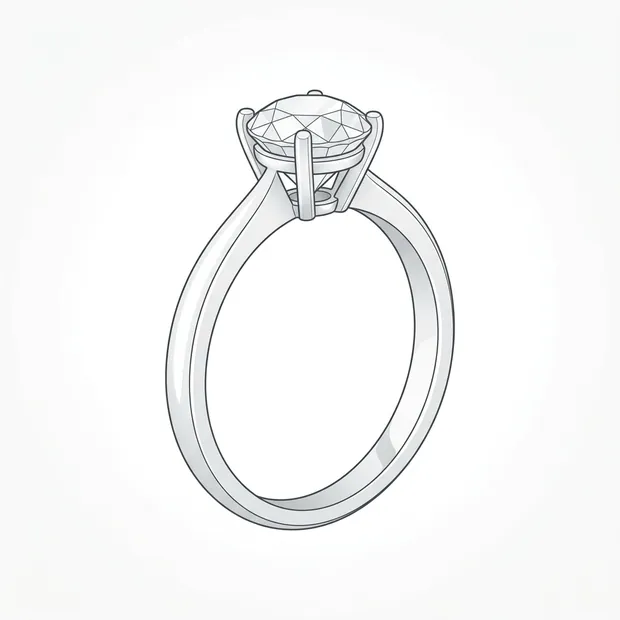
Rings
The centre stone is where nearly all the money goes. Compare the same specification at each — shape, carat, colour, clarity, cut grade and grading laboratory held identical, or you are not comparing anything.
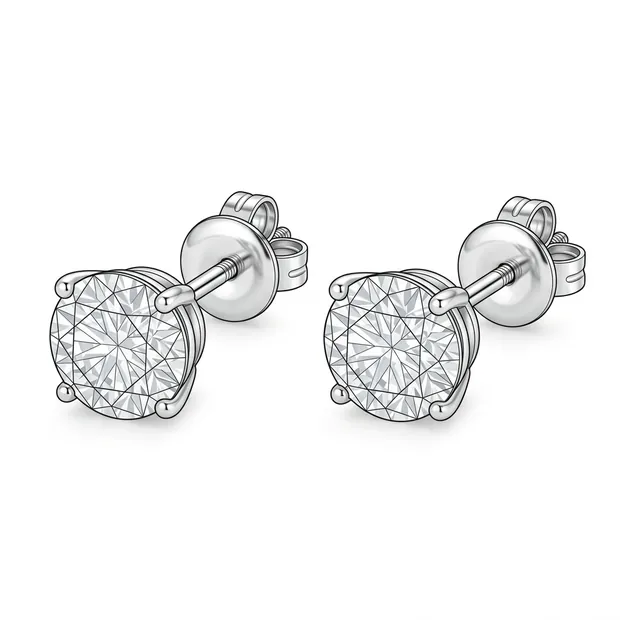
Earrings
Sold by total carat weight across the pair, so a 1ct pair is two half-carat stones. Cheap enough to make a sensible first purchase from a retailer you have not used before.
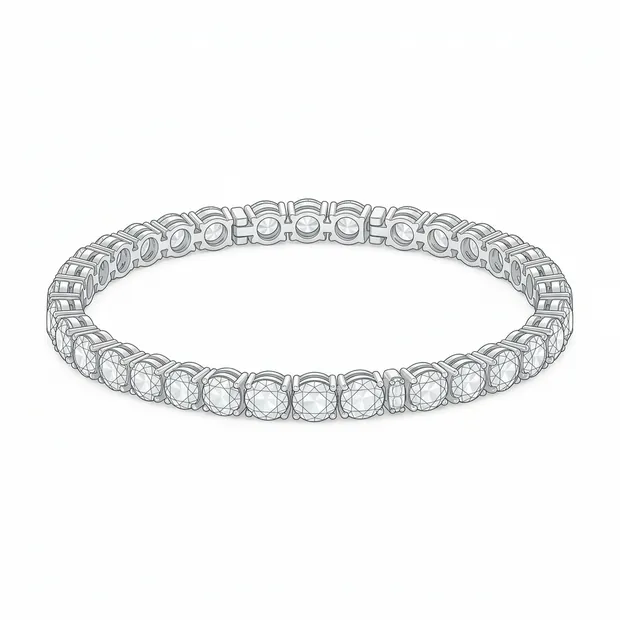
Bracelets
Check the clasp and the safety catch before the stone quality. A tennis bracelet that springs open on the wrist is the most common way people lose one.
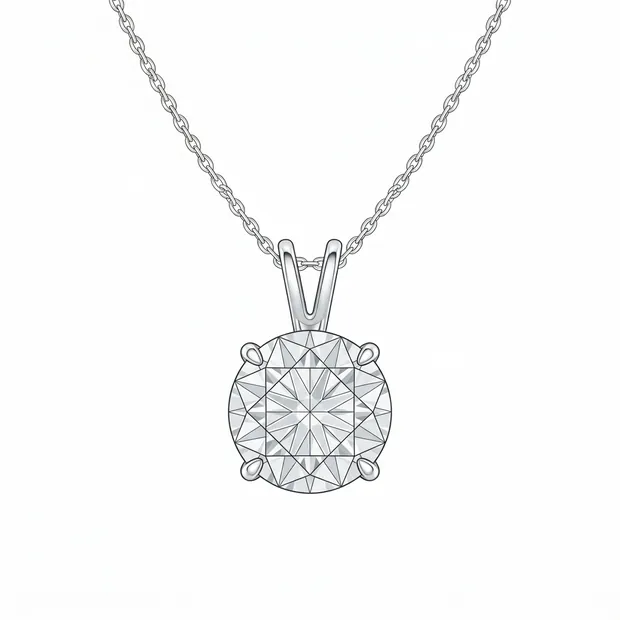
Necklaces
The chain matters more than buyers expect. Check the gauge and the clasp — a heavy pendant on a thin chain is a repair waiting to happen.
Links open each retailer's own category page. Rare Carat links are affiliate links and earn us a commission if you buy, at no extra cost to you. The others are plain links that earn us nothing today. If that changes, this line changes with it. Every relationship is listed on the disclosure page.
Holds up
- Built around cut quality — the only grade that changes what you actually see
- Light-performance imaging goes beyond the standard 360° video
- In-house branded inventory held to a stated proportion standard
- Reported affiliate cookie is unusually long, which suits a months-long buying cycle
Does not
- Inventory is a fraction of the large retailers' — the standard is the constraint
- You pay a premium for cut, and it is a real premium
- Independent, so no parent standing behind a lifetime warranty
- Beside the point if you are optimising for carat weight per dollar
The whole proposition in one idea
Almost every diamond retailer sells on carat weight and the two grades that photograph well on a certificate. Whiteflash sells on proportions.
As our 4Cs guide sets out, cut governs how a stone returns light, and it is the only one of the four that a person notices from across a room. It is also the grade most quietly compromised when a listing is optimised to hit a price point — because compromising it does not show up in the specification line that buyers scan.
Whiteflash inverts that. The inventory is constrained by a proportion standard, and the imaging is designed to show light performance rather than just magnify the stone.
Who this is right for, precisely
Right: you have read enough to understand that cut decides appearance, you want it optimised, and you accept a smaller stone as the price. You will notice the difference and be glad you paid.
Wrong: you are optimising for visible size per dollar. The same money buys a meaningfully larger stone at a large retailer, and at a certain point size wins the argument on a hand regardless of how well the smaller one performs.
Neither is the sophisticated answer. They are different purchases.
The honest caveat about super-ideal
The top standard cut grade covers a range of proportions. Super-ideal narrows that range further.
Whether you can see the difference between an excellent stone and a super-ideal one is genuinely contested, and depends on lighting, the stone, and your eyes. We have not tested it and are not going to pretend otherwise.
What we would suggest: use the imaging on both a super-ideal listing and a standard top-grade listing at a large retailer, and look. Two minutes of your own eyes beats anyone's opinion, including ours — and if you cannot see it, that is a useful and money-saving finding.
Inventory is the trade-off
Holding stock to a tight standard means holding less of it. The selection here is a fraction of what Blue Nile or Rare Carat list.
If your specification is unusual — a particular fancy shape at a particular weight — you may simply not find it. That is not a failure of the retailer; it is the constraint that makes the proposition work.
Independence
Whiteflash is independent, unlike Blue Nile, which belongs to Signet along with Kay, Zales and Jared.
Same trade as always: nobody above making decisions about the brand's future, and nobody above standing behind a lifetime warranty in twenty years.
One note for buyers who take their time
Whiteflash's affiliate cookie is reported to be unusually long, and there is a reason that is worth mentioning on a review page: it tells you they expect buyers to take months.
That matches the purchase. Anyone shopping cut quality is reading, comparing and returning to listings over weeks. If that is you, the imaging is what you came for — use it hard before committing.
Opens Whiteflash's own engagement ring pages. We are not in their affiliate programme and earn nothing from this link.
What this review is based on
We read Whiteflash's own published policies — returns, warranty, resizing, exclusions — and record the date. We explain how the business is structured and who owns it. Everything on this page can be checked against a primary source in a few minutes, and we link to them.
We do not buy from the retailers we write about, and we do not run price or imaging tests. So we do not tell you:
- How the ring looks in the hand against how it looked on screen
- Packaging, delivery, and whether promised dates hold
- How a return goes in practice, as against how it reads on paper
- Which retailer is cheaper on any given specification — check it live, it changes daily
For live prices, use the buttons on this page — they open the retailer's current listings. For ownership accounts, read verified purchase reviews on the retailer's own site alongside independent threads.
Common questions
Is Whiteflash worth the premium?
If you understand what cut does and want it optimised, yes — you are paying for the one grade that changes how the stone looks, and the premium is spent on the thing you will actually notice. If you are buying carat weight per dollar, no: the same money buys a visibly larger stone elsewhere.
What is a super ideal cut?
A tighter set of proportion and symmetry tolerances than the top standard grade requires. The top grade covers a range; super-ideal narrows it. Whether the difference is visible to you specifically is worth testing with your own eyes rather than accepting on faith.
Is Whiteflash legit?
Yes. It has traded since 2000, is independent, and publishes proportion standards and light-performance imaging for its branded inventory — more disclosure about cut than any of the large retailers offer.
Whiteflash or Blue Nile?
Blue Nile if you want the largest inventory and the lowest number for a given specification. Whiteflash if cut quality is the priority and you are willing to pay for it on a much narrower selection. They are not really competing for the same buyer.