Editorial standard
Methodology
We read what these companies commit to in writing, record the date, and link to the source. We do not buy, price-test or rate them out of ten — and this page explains why that is a deliberate choice rather than a gap.
Check live prices — we don't print them here, because they change daily.
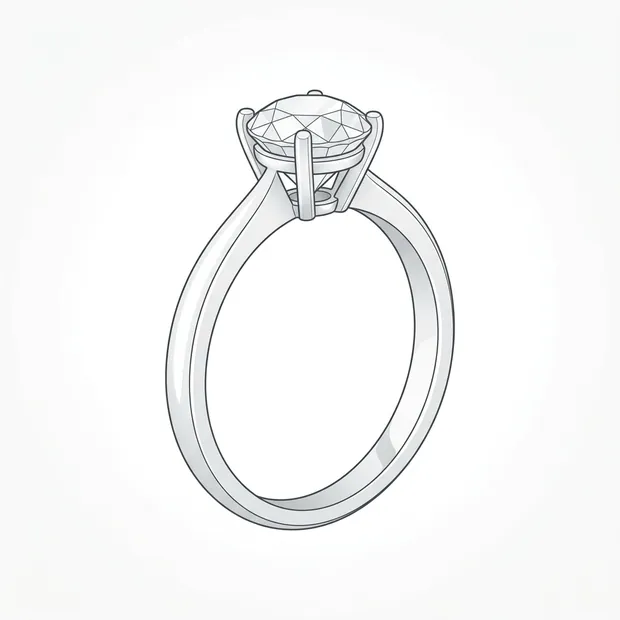
Rings
The centre stone is where nearly all the money goes. Compare the same specification at each — shape, carat, colour, clarity, cut grade and grading laboratory held identical, or you are not comparing anything.
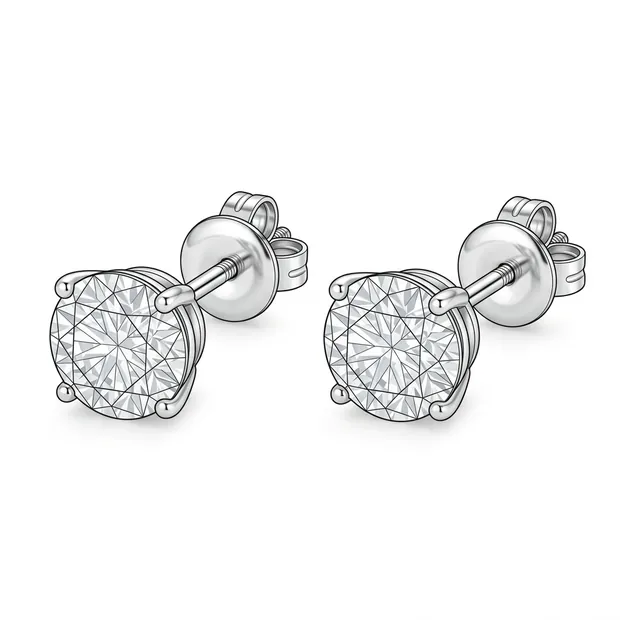
Earrings
Sold by total carat weight across the pair, so a 1ct pair is two half-carat stones. Cheap enough to make a sensible first purchase from a retailer you have not used before.
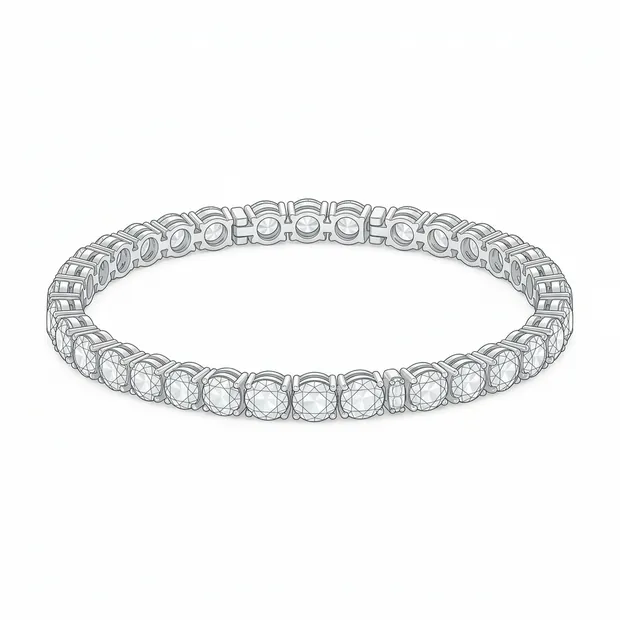
Bracelets
Check the clasp and the safety catch before the stone quality. A tennis bracelet that springs open on the wrist is the most common way people lose one.
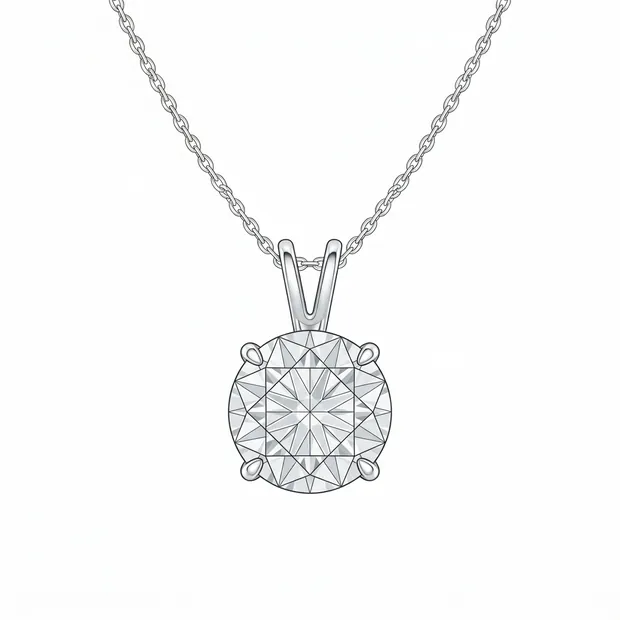
Necklaces
The chain matters more than buyers expect. Check the gauge and the clasp — a heavy pendant on a thin chain is a repair waiting to happen.
Links open each retailer's own category page. Rare Carat links are affiliate links and earn us a commission if you buy, at no extra cost to you. The others are plain links that earn us nothing today. If that changes, this line changes with it. Every relationship is listed on the disclosure page.
What we do
We read the published policies in full. Returns, warranty, resizing, shipping, the exclusion lists. The actual pages, not the marketing summary, with the date of reading recorded on every table. This sounds unremarkable and almost nobody does it — which is how a factual error about one of these retailers can circulate for years unchallenged.
We explain the corporate structure. Who owns whom, which businesses share inventory, which is a retailer and which is a marketplace. Two of the four sites we cover have the same parent company and neither mentions it. That fact changes what a comparison between them actually means.
We write the background you need to use any of it. What a clarity grade does and does not tell you, why the grading laboratory matters, what lab-grown costs you on resale. These are stable facts that do not go out of date the way a price does.
We link to live listings. Every button opens the retailer's own current inventory, so you check today's price rather than ours from last quarter.
What we deliberately do not do
We do not publish prices. Diamond pricing moves daily and depends on the exact specification — shape, weight, all four grades, laboratory, fluorescence. Any number we printed would be wrong within weeks, and a stale price is worse than no price because it reads as a fact. Retailer comparison sites are full of confidently quoted percentages with no date attached. We are not adding to that.
Instead, every page that raises a pricing question tells you how to answer it: fix a specification, set identical filters at two retailers, compare the cheapest exact match. Five minutes, and the answer is current.
We do not score retailers out of ten. A composite grade implies a weighted measurement behind it. Ours would be an opinion wearing a number's clothing. So each review carries a plain-language description of what that retailer is built for, and the reasoning is in the text where you can disagree with it.
We have not bought from any of them. Every review says so in its own words and lists what that leaves outside our knowledge: how the piece looks in the hand, whether delivery dates hold, how a return behaves in practice, what after-sales service is actually like.
That list is not an apology. It is the difference between a source you can check and a source implying an experience it never had — which describes a great deal of what gets published in this category.
How to check us
Every factual claim here traces to a page you can open. Policy tables carry the date they were read; where a retailer's own page does not state something, the table says so rather than filling the gap from a secondary source.
That last rule earns its keep. While reading these policies we found published claims of both 30-day and 60-day return windows for the same retailer in the same year, and we corrected an error of our own: we had written that Blue Nile's clock starts at delivery. It starts at shipment, so transit comes out of your window before the box arrives. The correction is noted on the returns page rather than quietly patched.
Policies change without announcement. If something here is out of date, write to editor@caratbrands.com and it will be fixed with a note recording what changed.
Conflicts of interest
We earn commission when a reader buys through our links, and the rates differ between retailers. Three rules:
- Every rate is published on the disclosure page, including the one we have not been able to obtain.
- What a policy says is a matter of record. No commercial relationship changes a quoted term, and no retailer has ever been given the chance to try.
- Where two retailers are close on a question, we say which one leaves the buyer with more recourse — never which one pays more.
Retailers do not see pages before publication, cannot request changes, and have no editorial input. We have never accepted payment for a placement and will not.