Index
The terms, read in full
What each retailer commits to in writing, as against what the landing page implies. Every page here records the date the policy was read.
Check live prices — we don't print them here, because they change daily.
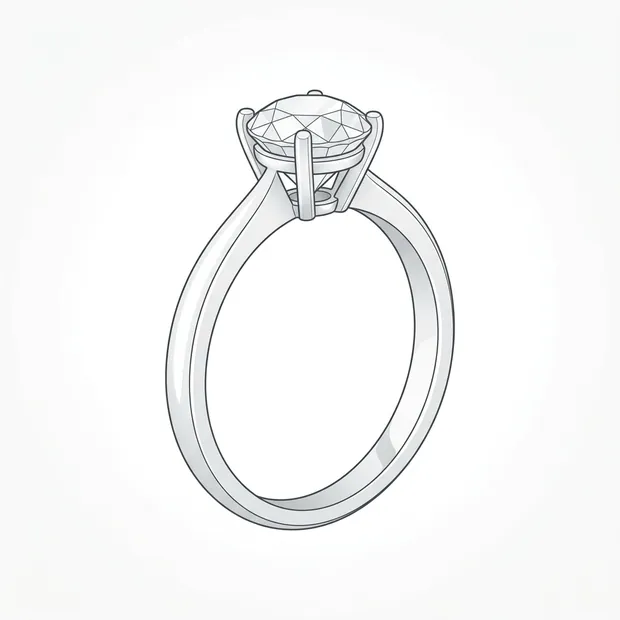
Rings
The centre stone is where nearly all the money goes. Compare the same specification at each — shape, carat, colour, clarity, cut grade and grading laboratory held identical, or you are not comparing anything.
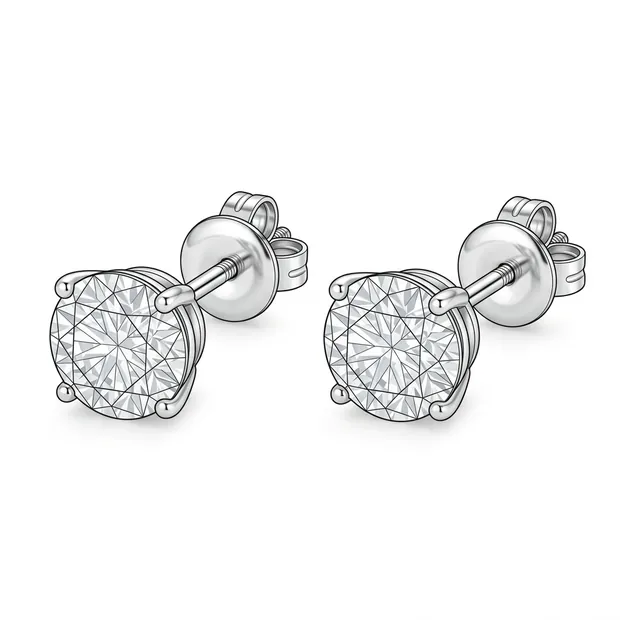
Earrings
Sold by total carat weight across the pair, so a 1ct pair is two half-carat stones. Cheap enough to make a sensible first purchase from a retailer you have not used before.
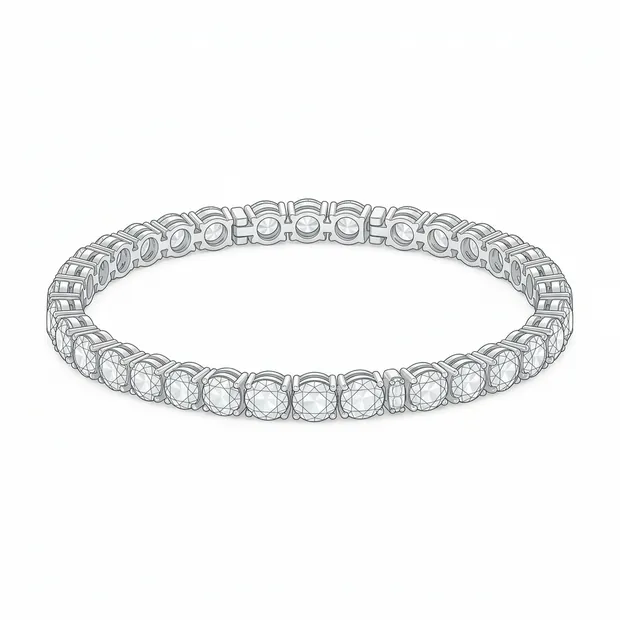
Bracelets
Check the clasp and the safety catch before the stone quality. A tennis bracelet that springs open on the wrist is the most common way people lose one.
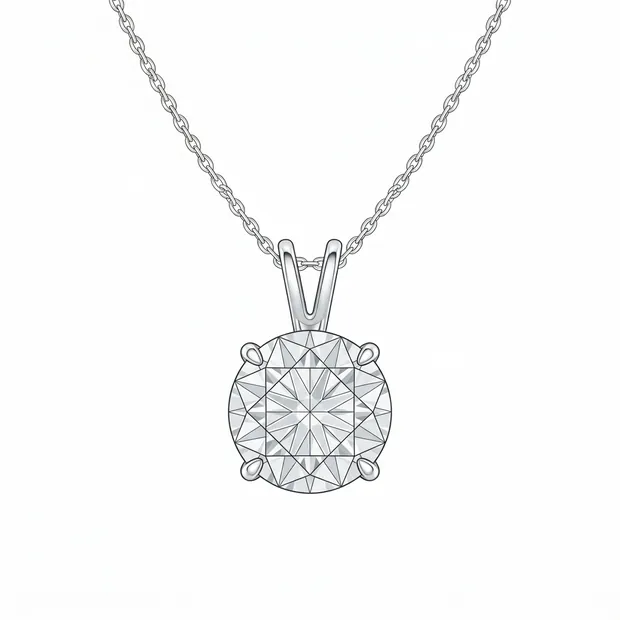
Necklaces
The chain matters more than buyers expect. Check the gauge and the clasp — a heavy pendant on a thin chain is a repair waiting to happen.
Links open each retailer's own category page. Rare Carat links are affiliate links and earn us a commission if you buy, at no extra cost to you. The others are plain links that earn us nothing today. If that changes, this line changes with it. Every relationship is listed on the disclosure page.
- Returns and resizing — the window, when the clock starts, and what voids it
- Warranty and repair — what a lifetime warranty covers, and the long list of what it does not
- Financing and store cards — who underwrites it, and the deferred-interest trap
- Insurance — what a warranty does not cover, and what does
- State Farm jewellery cover — the sub-limit most homeowners rely on without knowing
- Lemonade — what is different, and what is not
Why these pages exist
Policy terms are the part of a diamond purchase nobody reads and everybody relies on. They are also the part retailers change quietly. Each page here is built from the retailer's own published terms, records the date of reading, and says plainly where a term is ambiguous rather than smoothing it over.