Policy
State Farm jewellery insurance, explained
Most people asking about State Farm and jewellery are really asking one question: does the policy I already have cover my ring? The short answer is that the homeowners policy covers some of it, up to a limit that is almost certainly below what the ring is worth — and that the fix is a separate route most agents will not raise unless you do.
Check live prices — we don't print them here, because they change daily.
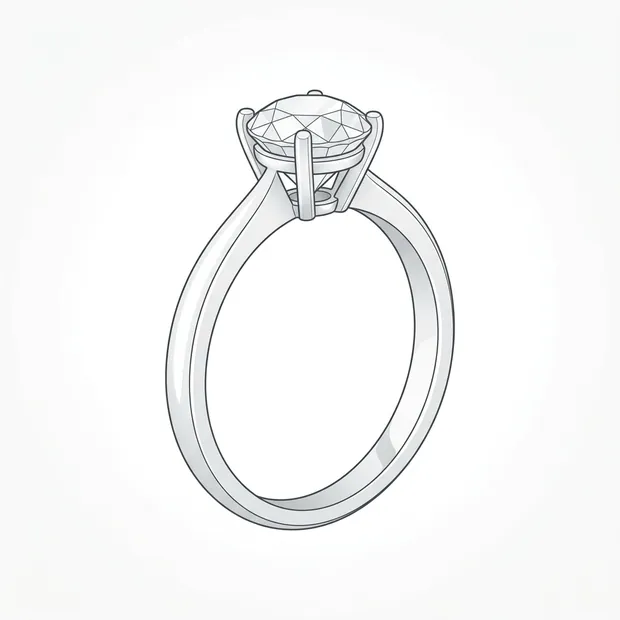
Rings
The centre stone is where nearly all the money goes. Compare the same specification at each — shape, carat, colour, clarity, cut grade and grading laboratory held identical, or you are not comparing anything.
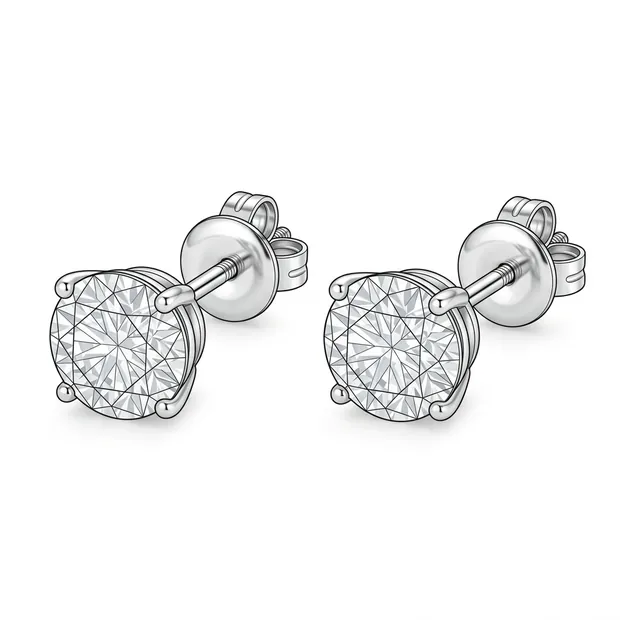
Earrings
Sold by total carat weight across the pair, so a 1ct pair is two half-carat stones. Cheap enough to make a sensible first purchase from a retailer you have not used before.
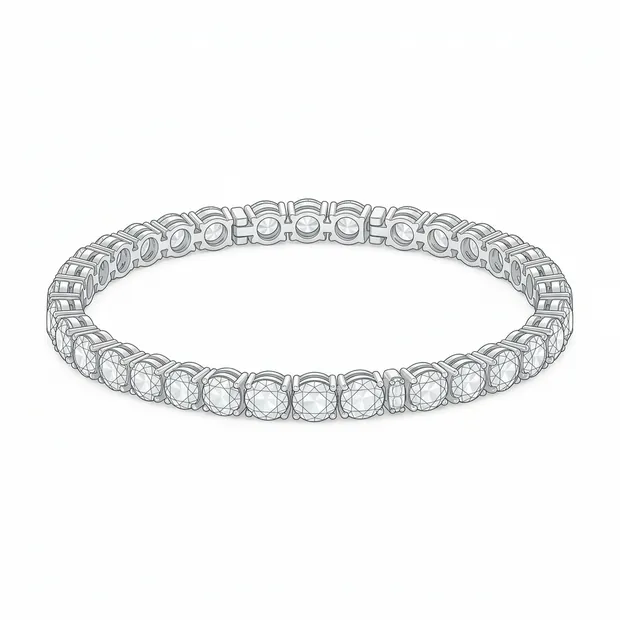
Bracelets
Check the clasp and the safety catch before the stone quality. A tennis bracelet that springs open on the wrist is the most common way people lose one.
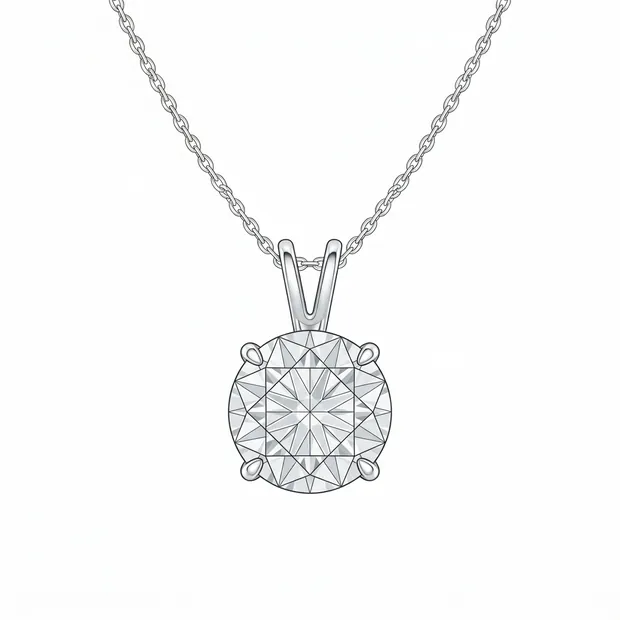
Necklaces
The chain matters more than buyers expect. Check the gauge and the clasp — a heavy pendant on a thin chain is a repair waiting to happen.
Links open each retailer's own category page. Rare Carat links are affiliate links and earn us a commission if you buy, at no extra cost to you. The others are plain links that earn us nothing today. If that changes, this line changes with it. Every relationship is listed on the disclosure page.
Why this question comes up so often
State Farm is the largest home insurer in the United States, so an enormous number of people who buy an engagement ring already have a policy with them. The natural assumption is that the ring is covered.
It is covered — up to a limit that is almost certainly less than the ring cost, and against a narrower set of events than most buyers imagine.
The two things that limit the base policy
The jewellery sub-limit. Standard homeowners policies cap jewellery separately from the overall contents figure. That cap is typically a small fraction of an engagement ring's value, and it is what applies regardless of how large your overall cover is.
The list of covered events. Base policies respond to named perils. A ring lost off a hand, left in a hotel, or simply gone with no explanation frequently falls outside them. Insurers call that mysterious disappearance, and it is how rings are most often actually lost.
Between those two, someone relying on a base homeowners policy for a $6,000 ring is usually protected for a fraction of it, and only in some circumstances.
The route that actually covers it
Insuring valuables individually — listing the ring with its own value rather than leaving it in the general jewellery limit — is what closes both gaps at once. This kind of cover is typically broader in what it responds to, often carries no deductible, and is priced per item.
It normally requires documentation. A recent purchase receipt often serves for a new ring; older or inherited pieces generally need an independent appraisal, and insurers may specify how recent it must be.
Terms vary by state, which is why we are not quoting figures here. Ask your agent for the specifics that apply to you rather than relying on a published number — including one on this page.
Six questions to put to an agent
- What is my current jewellery sub-limit, and does it apply per item or in total?
- Would a ring that simply goes missing be covered under my existing policy?
- What would it cost to schedule this ring separately?
- Is settlement cash or replacement, and who chooses the replacement jeweller?
- Is cover worldwide?
- Would a claim on this affect my homeowners premium?
Get the answers in writing. Insurance disputes are settled by policy wording, not by what was said on a call.
Where the appraisal comes from
For a newly purchased ring, the retailer's receipt and the grading report usually suffice. Keep both as files rather than relying on an online account that may not exist in ten years — a point we make on the James Allen closure page for exactly this reason.
For an inherited piece, you need an independent appraisal from someone with no interest in the valuation. Avoid appraisals from whoever is also trying to sell you something.
The wider picture
Nothing here is specific to one insurer — the sub-limit and named-perils structure is how most homeowners policies work. Our insurance overview sets out the general shape, and the warranty comparison explains why the plan you were sold at the jewellery counter does not do this job.
Common questions
Does State Farm homeowners insurance cover lost jewelry?
Under the base homeowners policy, usually not in the way people expect. Standard policies apply a jewellery sub-limit that is typically well below an engagement ring's value, and cover named perils rather than a ring that simply goes missing. Covering a valuable ring properly generally means scheduling it separately.
What is a State Farm personal articles policy?
It is the route for insuring valuables individually rather than leaving them inside the homeowners jewellery limit. Items are listed with their own values, and this kind of cover is typically broader — including loss without a specific cause — and often carries no deductible. Confirm the current terms with an agent, as they vary by state.
Do I need an appraisal for State Farm jewelry insurance?
Generally yes for anything of significant value. A recent purchase receipt often serves for a newly bought ring; older or inherited pieces usually need an independent appraisal, and there may be requirements about how recent it is.
How much does it cost?
Premiums are usually expressed as an annual percentage of the insured value and vary by state and by item. Get a quote with your actual valuation — the spread between insurers on identical pieces is wide enough that averages are not useful.
Does a jewelry claim affect my homeowners premium?
It can, if the claim is made against the homeowners policy. Cover written separately for valuables generally sits apart from it. This is worth asking about explicitly, because it changes the real cost of a claim.