Guide
Selling a diamond: what you will actually be offered
The first thing to know is the hardest: a diamond resells for a fraction of what it cost. That is not because you were cheated when you bought it. It is how the market is structured — and understanding why is what stops you accepting the first offer.
Check live prices — we don't print them here, because they change daily.
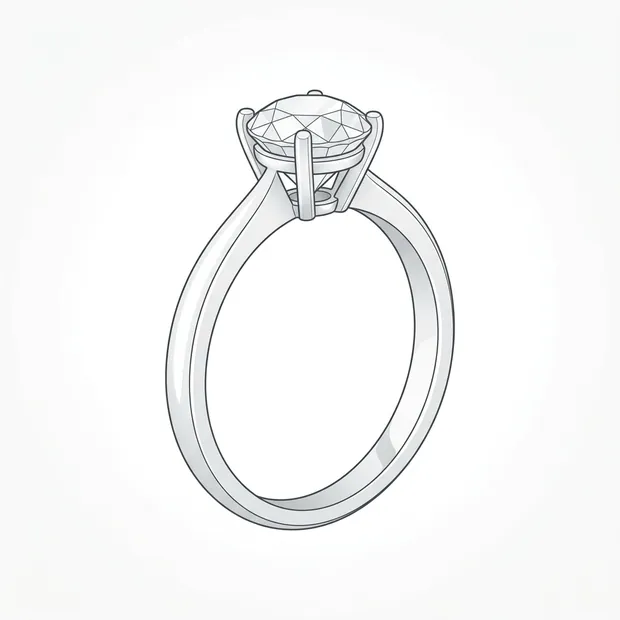
Rings
The centre stone is where nearly all the money goes. Compare the same specification at each — shape, carat, colour, clarity, cut grade and grading laboratory held identical, or you are not comparing anything.
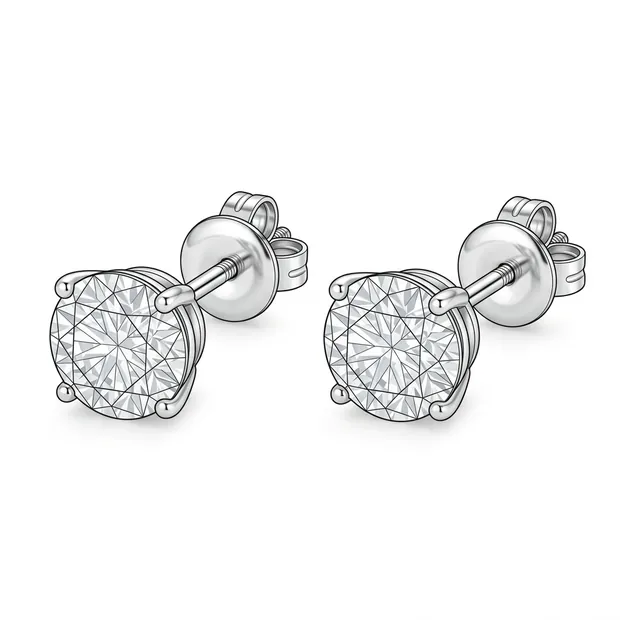
Earrings
Sold by total carat weight across the pair, so a 1ct pair is two half-carat stones. Cheap enough to make a sensible first purchase from a retailer you have not used before.
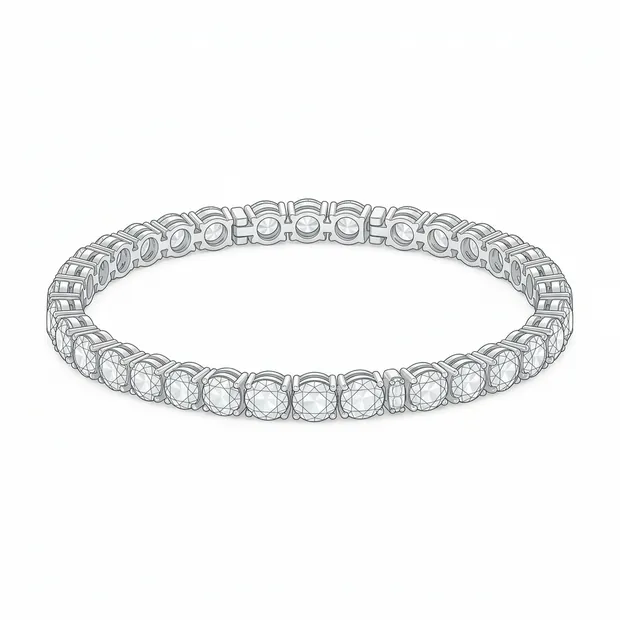
Bracelets
Check the clasp and the safety catch before the stone quality. A tennis bracelet that springs open on the wrist is the most common way people lose one.
Necklaces
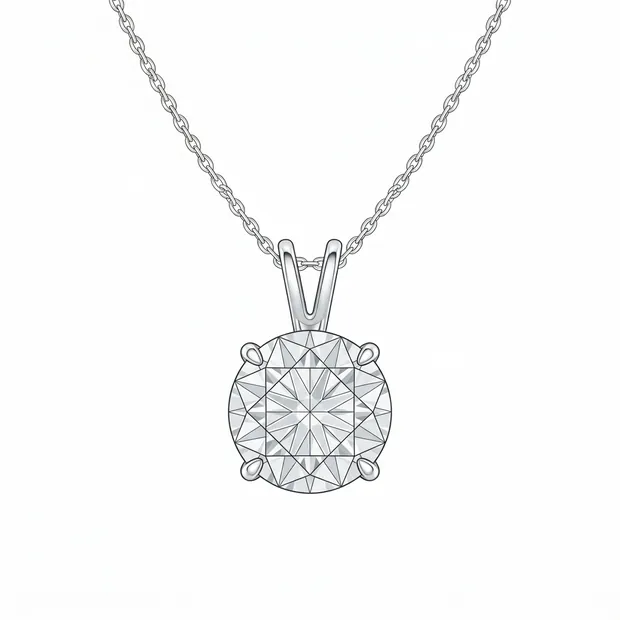
The chain matters more than buyers expect. Check the gauge and the clasp — a heavy pendant on a thin chain is a repair waiting to happen.
Links open each retailer's own category page. Rare Carat links are affiliate links and earn us a commission if you buy, at no extra cost to you. The others are plain links that earn us nothing today. If that changes, this line changes with it. Every relationship is listed on the disclosure page.
Why the gap is so large
You paid a retail price. You are being offered a wholesale one. The difference between those two numbers is, more or less, the entire retail jewellery industry — showrooms, staff, marketing, inventory financing, and margin.
A buyer purchasing your ring has to sell it again to somebody. They need their own margin, and they need to cover the risk that it sits in a safe for a year first. So they price defensively.
None of that means you overpaid when you bought it. It means the retail and secondary markets are different markets, and you are crossing between them.
The setting loses most. The stone retains more of its value than the metal and labour around it, which are essentially written off. A ring is often worth notably more with the stone removed and sold separately — though that costs money to do and only makes sense above a certain value.
What actually changes the offer
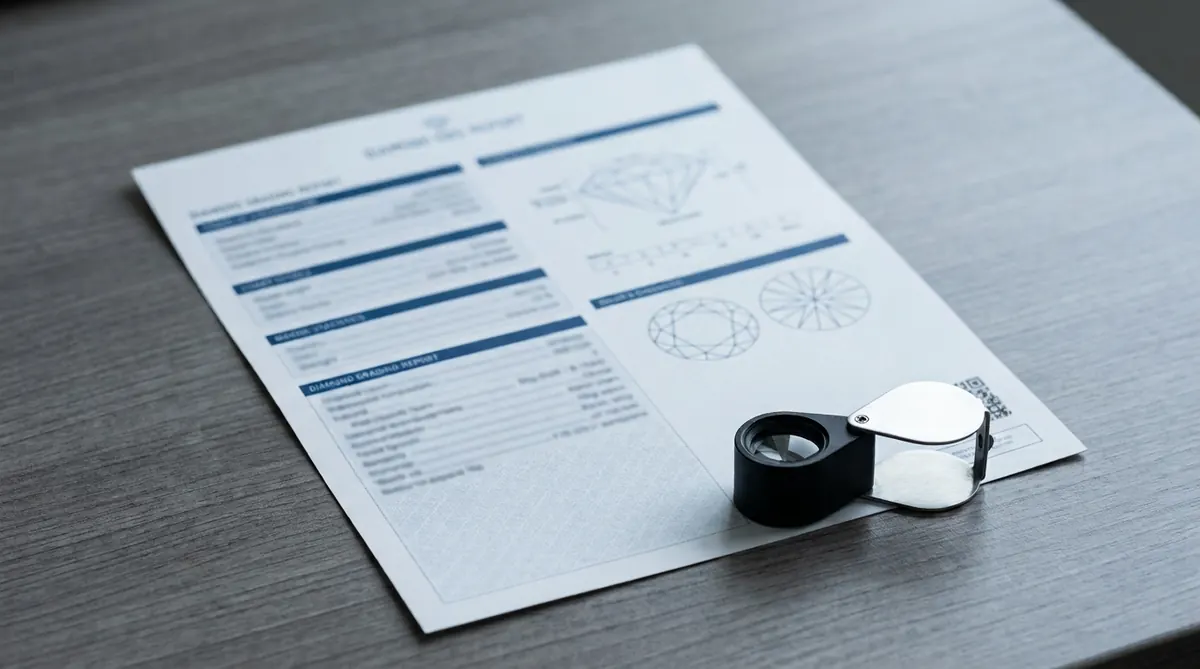
The grading report. This is the single biggest lever you control. With an independent report, a buyer knows what they are getting and prices it. Without one, they price in their own uncertainty, and that uncertainty is charged to you. If you have the report, find it before you get quotes.
Whether it is natural or lab-grown. Lab-grown resells worse than natural and some buyers decline it entirely, because they are pricing against a stone that will be cheaper next year. Our lab-grown price guide explains the mechanism.
Size and grade. Larger, better-graded stones have a more liquid secondary market. Small stones in a cluster setting may be worth close to the scrap value of the metal.
Condition and paperwork. Original box, receipt and appraisal all help, less than the report but not nothing.
The routes, and what each costs you
Selling privately returns the most and takes the longest. You are looking for someone who wants exactly your ring, and you take on the risk of dealing with a stranger over a valuable item. Weeks to months.
Online diamond buyers and auction services sit in the middle. You send the ring in, it is evaluated, you are made an offer or it is auctioned to a trade network. Faster and safer than private sale, and you pay for that in the price.
Consignment through a jeweller can achieve a good number because it reaches a retail buyer, but your money is tied up until it sells, and it may not.
Pawn shops and cash-for-gold are immediate and pay the least — frequently close to metal weight regardless of what the stone is. Use them when speed matters more than the number, and know that is the trade you are making.
Back to the original retailer. Some run trade-in or upgrade programmes. Those credit against a new purchase rather than paying you out, and the conditions are set by the seller — worth checking, but it is not the same as selling.
Get three offers. At minimum.
The spread between buyers on the same ring is wide — wide enough that the first offer is rarely the market. Nothing about getting a second and third quote costs you anything except time, and the industry relies on people not bothering.
If you are selling under pressure — a divorce, a bereavement, a bill — that pressure is visible to a buyer and it is priced in. Getting several offers is the only defence, and it matters most exactly when it feels hardest to do.
Before you accept anything
- Locate the grading report. If it is genuinely lost, the issuing laboratory may be able to reissue it from the report number.
- Photograph the ring from several angles before it leaves your possession.
- Ask how the offer was calculated. A buyer who will not explain is telling you something.
- Confirm what happens if you decline — who pays return shipping, and whether it is insured.
- Never let a valuable item out of your hands without a written receipt describing it.
The wider lesson
If you are reading this before buying rather than after, the useful takeaway is that resale is poor across the board and worse for lab-grown. That is not an argument against either — it is an argument for buying a ring because you want to own it, not because you expect to recover the money.
Common questions
How much can I sell my diamond for?
Considerably less than you paid — typically a fraction of the retail price, and the gap is widest on the setting rather than the stone. The exact figure depends on the stone's grades, whether you have the grading report, and which route you sell through. Get at least three offers before accepting any of them.
Why is resale so much lower than what I paid?
Retail price includes the retailer's margin, the setting's labour, and the cost of holding inventory. A buyer purchasing from you has to resell it and needs their own margin, so they price accordingly. You are moving from the retail side of the market to the wholesale side, and the difference between those two is the entire retail industry.
Do lab-grown diamonds resell?
Poorly, and worse than natural. Production capacity keeps expanding and prices keep falling, so a buyer is pricing against tomorrow's cheaper stone. Some buyers decline lab-grown entirely. If resale is a consideration, that belongs in the decision before you buy.
Where is the best place to sell a diamond ring?
There is no single best route — there is a trade between price and effort. Selling privately gets the most and takes the longest; a pawn shop is immediate and pays least; online buyers and consignment sit in between. What matters more than the route is getting several offers, because the spread between them is wide.