Price guide
What a lab-grown diamond costs
Lab-grown prices have fallen faster than almost any consumer product in recent memory, and the direction has not obviously stopped. That makes them extraordinary value today and a poor place to store money — and understanding which of those matters to you is the whole decision.
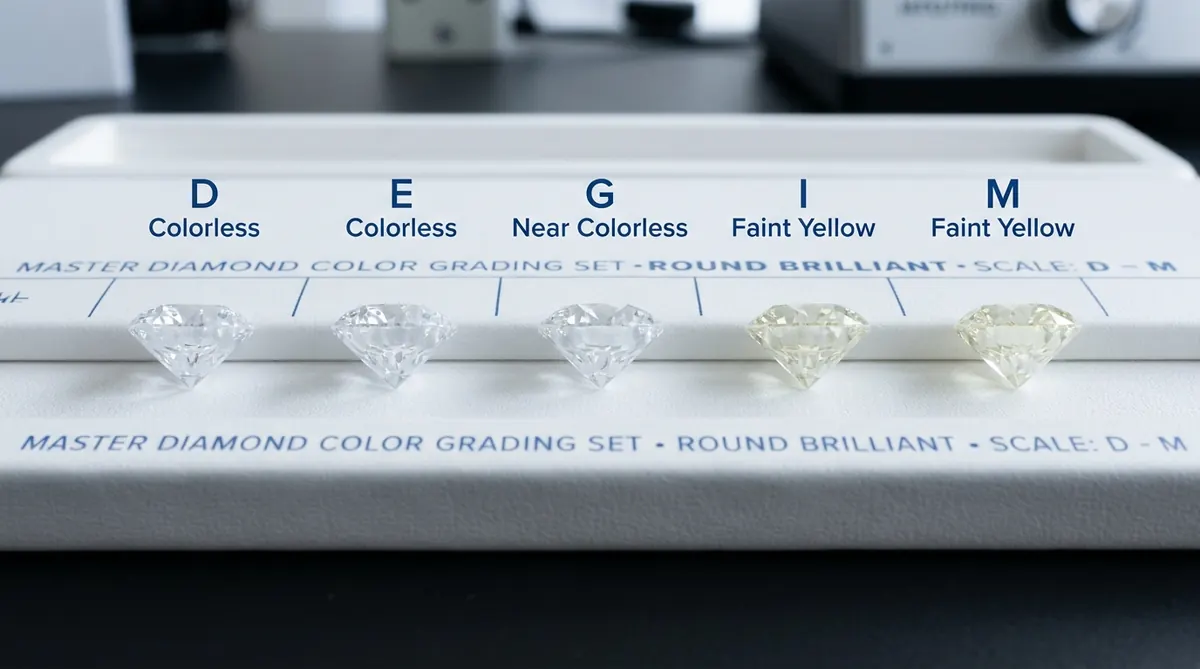
Check live prices — we don't print them here, because they change daily.
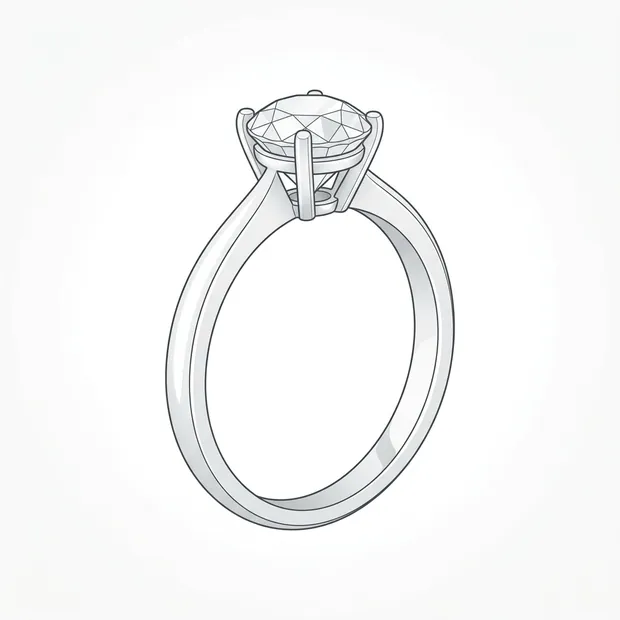
Rings
The centre stone is where nearly all the money goes. Compare the same specification at each — shape, carat, colour, clarity, cut grade and grading laboratory held identical, or you are not comparing anything.
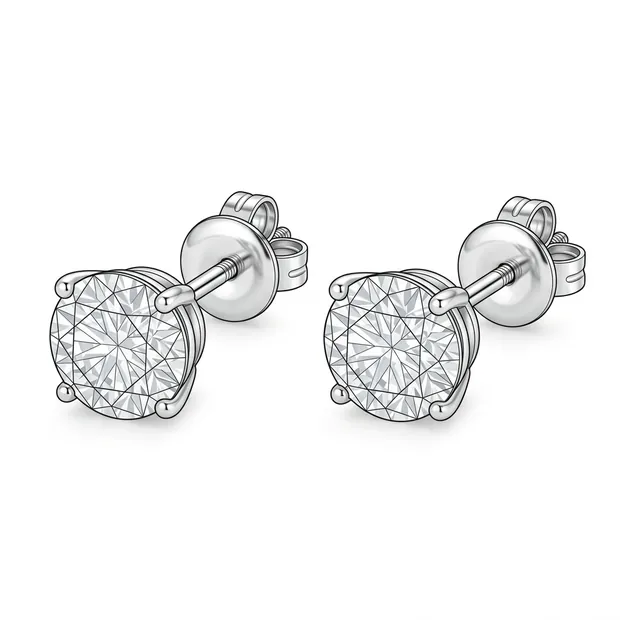
Earrings
Sold by total carat weight across the pair, so a 1ct pair is two half-carat stones. Cheap enough to make a sensible first purchase from a retailer you have not used before.
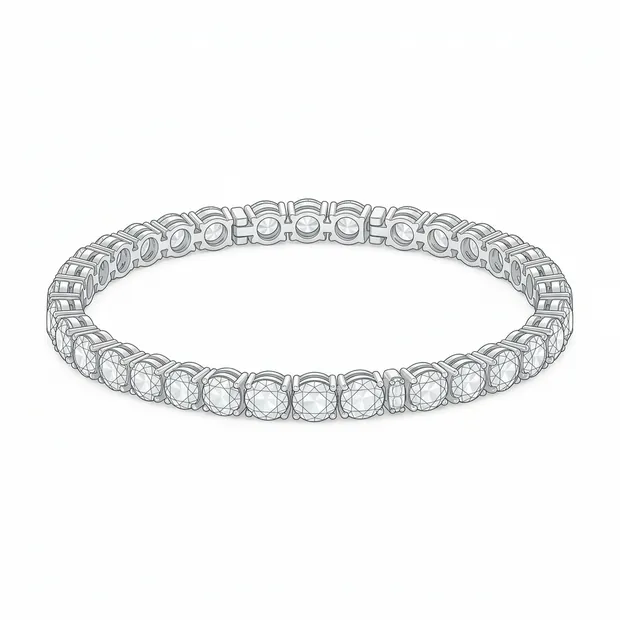
Bracelets
Check the clasp and the safety catch before the stone quality. A tennis bracelet that springs open on the wrist is the most common way people lose one.
Necklaces
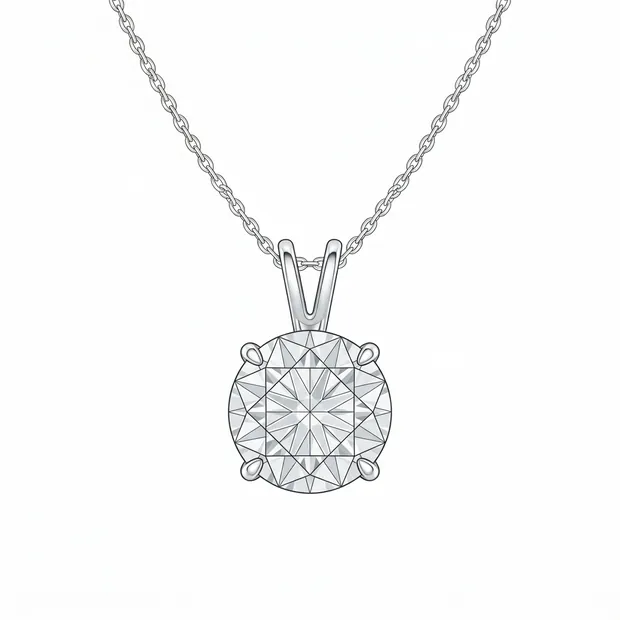
The chain matters more than buyers expect. Check the gauge and the clasp — a heavy pendant on a thin chain is a repair waiting to happen.
Links open each retailer's own category page. Rare Carat links are affiliate links and earn us a commission if you buy, at no extra cost to you. The others are plain links that earn us nothing today. If that changes, this line changes with it. Every relationship is listed on the disclosure page.
The same material, a different supply curve
A lab-grown diamond is carbon in the same crystal structure as a mined one, with the same hardness and the same optical behaviour. Grading laboratories assess both on the same scales. Telling them apart requires instruments.
So the price difference has nothing to do with what the stone is. It is entirely about how much of it exists.
Natural supply is finite and slow to expand. Lab-grown capacity has grown quickly and can grow further. That is the whole explanation, and it is also why the gap has widened rather than settled.
What the fall means, in both directions
Buying today: at any given budget, lab-grown buys substantially more — more weight, higher grades, better cut, or all three. The advantage grows with size, so it is largest exactly where budgets bite hardest.
Afterwards: what you paid is likely more than the same specification will cost in a few years. That does not matter at all if the ring stays on a hand for forty years. It matters a great deal if you expect to sell or trade it.
Both are true simultaneously, and most published advice picks one and omits the other.
The upgrade programme trap
Several retailers offer trade-up schemes crediting your original purchase price against a larger stone. In a rising market that is generous. In a falling one it works differently than buyers assume.
Your credit is fixed at what you paid. The stones you would trade into are cheaper than they were. So the credit buys more than it once would — which sounds good, until you notice that you paid the old price to get it.
Read whatever upgrade terms are on offer with that in mind, and check specifically whether lab-grown is included and on what conditions. Our terms pages cover what to look for.
Certification and comparison
Lab-grown grading skews heavily toward IGI across the industry. That matters when comparing prices: as our certification guide explains, grades are comparable within a laboratory, not across them.
Compare an IGI stone to an IGI stone. A lab-grown diamond priced against a GIA-graded natural stone of nominally identical grades is not a like-for-like comparison, and the difference will flatter one of them.
How to price one today
Fix a specification — shape, carat, colour, clarity, cut grade, and IGI as the laboratory — and set identical filters at two retailers from the buttons on this page.
At this end of the market, check the specialists as well as the full-range retailers. A retailer with no natural inventory has no natural margin to protect, and it tends to show. Our Brilliant Earth vs Grown Brilliance comparison sets out that difference.
The energy question, briefly
Lab-grown is routinely sold as the environmentally sound option, on the grounds that no mining is involved. That is true.
What goes unmentioned is that growing diamonds is energy-intensive, how clean that energy is varies enormously between producers, and almost nobody discloses it. Treat "sustainable lab-grown" as a claim requiring evidence rather than a conclusion — at any retailer. Our lab-grown vs natural guide sets out both sides in full.
Common questions
Why are lab-grown diamonds so much cheaper than natural?
Supply. Natural diamond supply is finite and slow; lab-grown production capacity has expanded rapidly and continues to. The material is identical, so the price difference is entirely about how much of it exists and how easily more can be made.
Will lab-grown diamonds keep getting cheaper?
Nobody can promise either way, but the trend has been consistently downward as capacity grew and no obvious floor has appeared. Buy on the assumption that what you pay today is more than the same stone will cost later — and price any upgrade programme with that in mind.
Do lab-grown diamonds hold their value?
Poorly. Diamonds of any origin resell badly; lab-grown resells worse, and a falling market compounds it. Buy one for what it is — more stone per dollar today — not as an asset.
Is a lab-grown diamond worth it?
If the goal is the best-looking ring a fixed budget will buy, decisively yes and it is not close. If the piece is meant to be traded up, resold or inherited with its value intact, natural is more defensible. Anything else is preference, not economics.