Price guide
What a 2 carat diamond costs
Doubling the carat weight does not double the price — it multiplies it by considerably more. That is the single thing to understand before shopping at this size, and it is also where the largest savings hide.
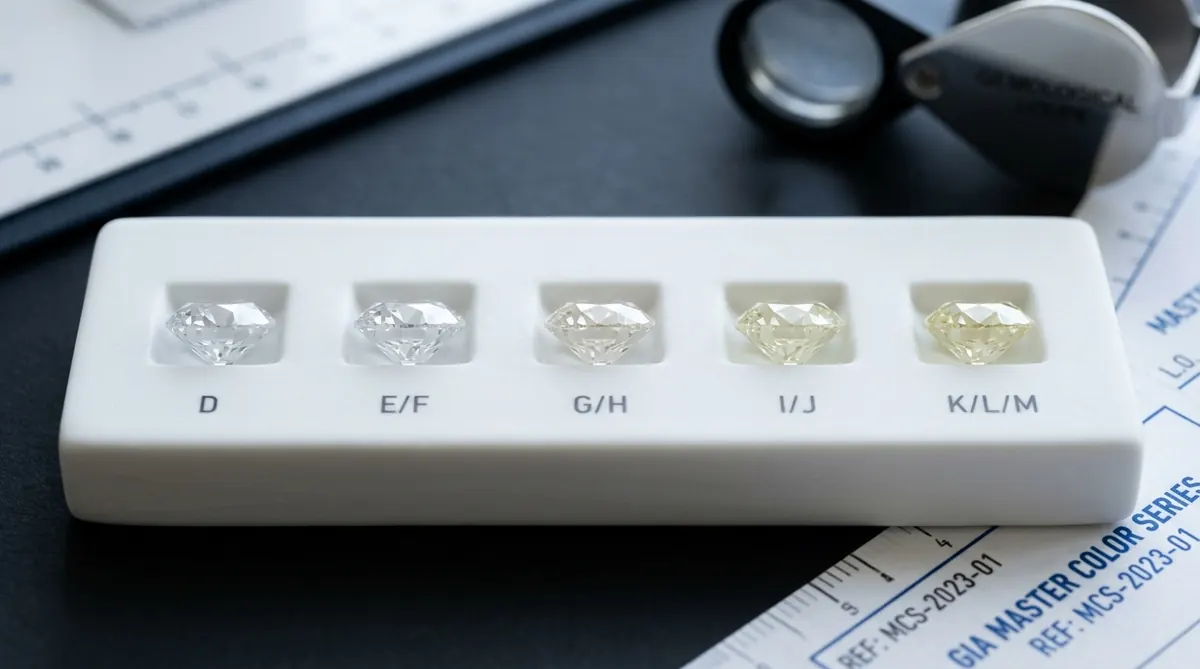
Check live prices — we don't print them here, because they change daily.
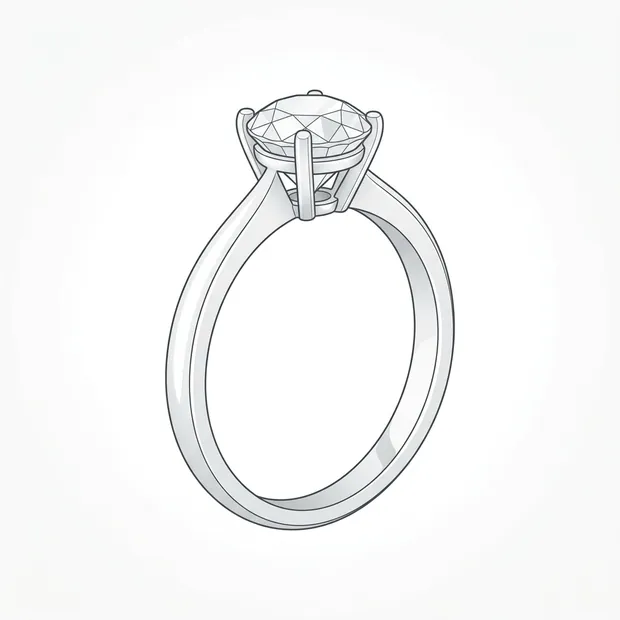
Rings
The centre stone is where nearly all the money goes. Compare the same specification at each — shape, carat, colour, clarity, cut grade and grading laboratory held identical, or you are not comparing anything.
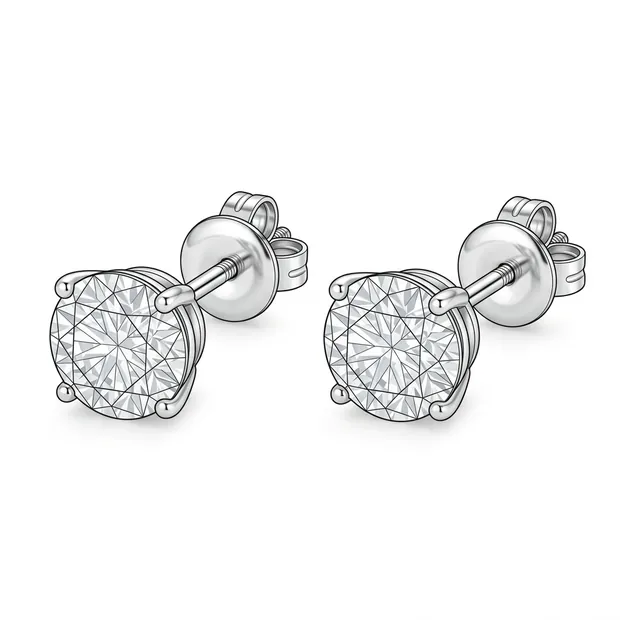
Earrings
Sold by total carat weight across the pair, so a 1ct pair is two half-carat stones. Cheap enough to make a sensible first purchase from a retailer you have not used before.
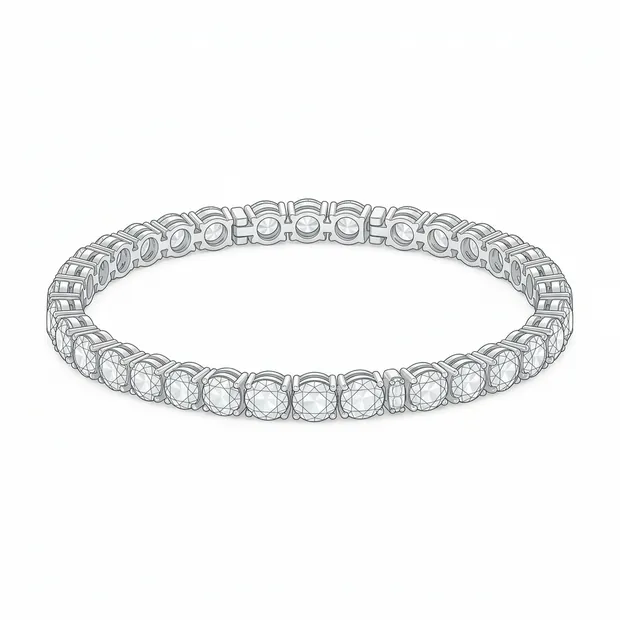
Bracelets
Check the clasp and the safety catch before the stone quality. A tennis bracelet that springs open on the wrist is the most common way people lose one.
Necklaces
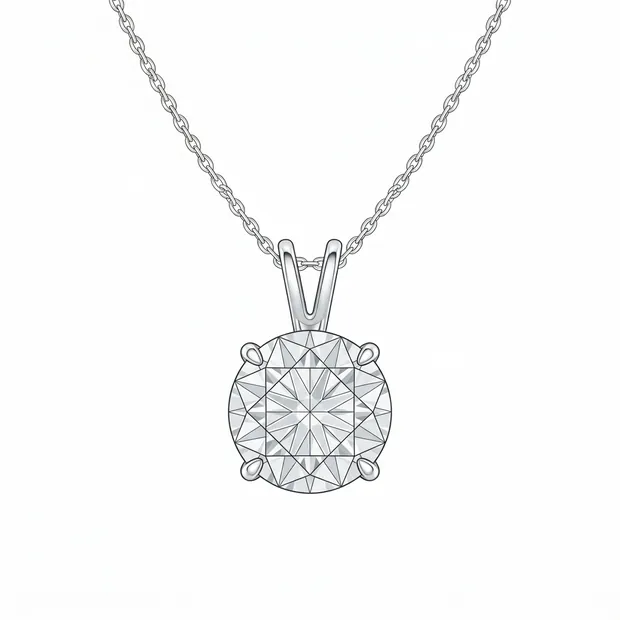
The chain matters more than buyers expect. Check the gauge and the clasp — a heavy pendant on a thin chain is a repair waiting to happen.
Links open each retailer's own category page. Rare Carat links are affiliate links and earn us a commission if you buy, at no extra cost to you. The others are plain links that earn us nothing today. If that changes, this line changes with it. Every relationship is listed on the disclosure page.
Price rises faster than weight
The intuition is that a two-carat stone costs twice a one-carat stone. It does not.
Larger rough crystals are rarer, and the price per carat rises with weight rather than staying constant. So you are paying a higher rate on a larger quantity, and the two multiply.
Nothing about that is a markup trick — it is scarcity, and it applies at every retailer. What varies is how much scarcity you are asked to pay for on top.
What changes at this size
Inclusions become visible. A larger stone has a larger table, and inclusions scale with it. A clarity grade that was comfortably eye-clean at one carat may not be at two.
The practical consequence is important: at this size, shopping the grade is riskier than shopping the stone. As our 4Cs guide explains, clarity grades count and size inclusions but say nothing about placement — and placement is what decides whether you see anything. At two carats you want to look.
Colour becomes slightly more visible too. More material means more path length for light, so any tint has more opportunity to show. The effect is modest compared with clarity, but it is real.
Cut matters just as much and costs more to compromise. A poorly proportioned two-carat stone carries its extra weight in depth, where nobody sees it — so you pay for weight that does not appear as size.
Where the savings are
The carat break. Prices step sharply at round weights, and the step at two carats is larger in absolute terms than at one. A stone just under measures almost identically across the top while costing meaningfully less. Compare the millimetre dimensions on the report, not the weight.
Clarity, if you can see the stone. This is the largest available saving at this size and the one that requires the most care. Being able to inspect the actual diamond at usable magnification lets you drop a grade with confidence. Without that, you are buying the number as insurance.
Lab-grown. The gap between lab and natural widens with size, so two carats is where the decision has the most money attached. Our lab-grown guide covers what that costs you on resale.
How big is it, actually
A well-proportioned two-carat round measures about 8.1 mm across, against about 6.5 mm at one carat. Twice the weight, roughly a quarter more width — which surprises most buyers expecting something closer to double.
Our carat size chart sets out the millimetres at every weight, and why a poorly cut stone of the same weight faces up smaller.
How to price one today
Fix the full specification — shape, carat, colour, clarity, cut grade, grading laboratory — then set identical filters at two retailers from the buttons on this page and compare the cheapest exact match.
Check for a promotion running at one and not the other, and check fluorescence. Neither appears in a price chart, and both move the number.
One thing to decide before you shop
At this budget, the choice between a larger stone with lower grades and a smaller stone with higher grades is the real decision — and it is a matter of taste, not of value.
Our position: protect cut, take colour in the near-colourless range, and choose clarity by looking rather than by grade. That combination buys the best-looking ring per dollar at any size, and the advantage grows as the stone gets bigger.
Common questions
Is a 2 carat diamond twice the price of a 1 carat?
No — considerably more. Larger rough is rarer, so price per carat rises with weight rather than staying flat. Expect a multiple well above two for the same grades, which is why the other grades matter more at this size, not less.
Why do we not publish a price?
Any figure would be stale within weeks, and a stale price reads as a fact. Diamond pricing moves constantly and depends on six variables. What does not go stale is how the pricing works — and how to get today's number yourself in five minutes.
Does clarity matter more at 2 carats?
Yes, and this catches people out. A larger stone has a larger table and larger inclusions, so a clarity grade that was eye-clean at one carat may not be at two. At this size you should look at the stone rather than shop the grade.
Is 2 carat lab-grown a better idea?
At a fixed budget it buys dramatically more stone, and the gap widens with size — this is where lab-grown is most compelling. It also holds value poorly. Both are true; our lab-grown guide sets out the trade.