Price guide
What a 1 carat diamond costs
Two one-carat diamonds can differ in price by a factor of five. Nothing about that is a scam — it is what the other three grades do. Here is what moves the number, and how to get today's figure in five minutes rather than trusting a table someone published two years ago.
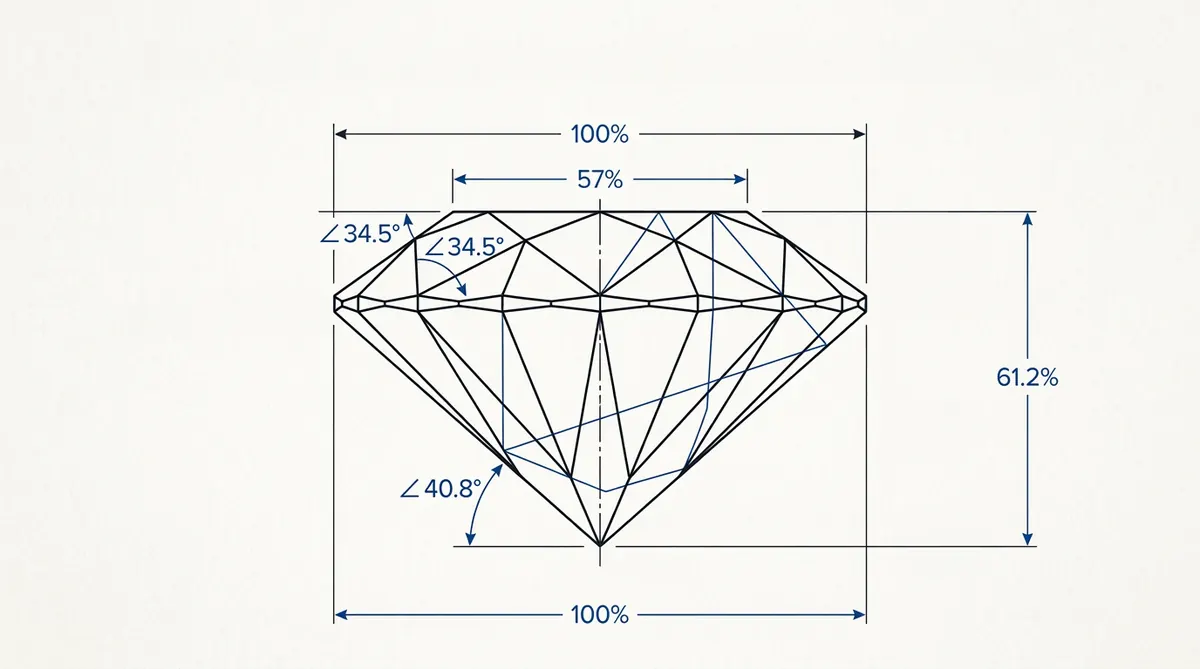
Check live prices — we don't print them here, because they change daily.
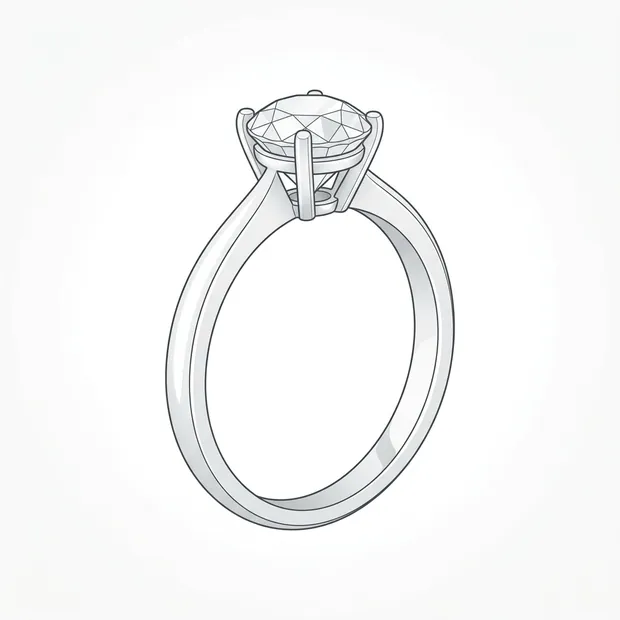
Rings
The centre stone is where nearly all the money goes. Compare the same specification at each — shape, carat, colour, clarity, cut grade and grading laboratory held identical, or you are not comparing anything.
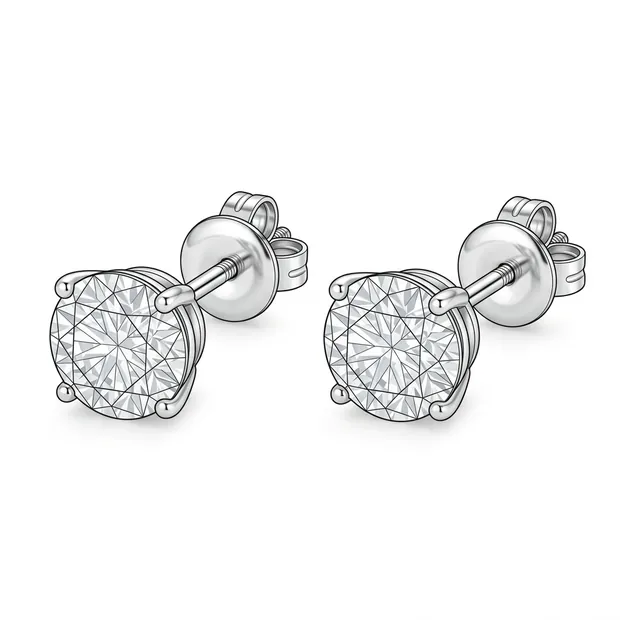
Earrings
Sold by total carat weight across the pair, so a 1ct pair is two half-carat stones. Cheap enough to make a sensible first purchase from a retailer you have not used before.
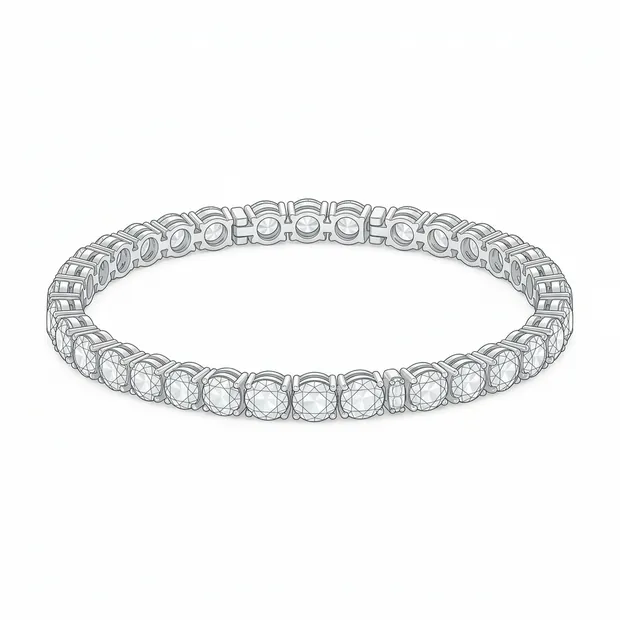
Bracelets
Check the clasp and the safety catch before the stone quality. A tennis bracelet that springs open on the wrist is the most common way people lose one.
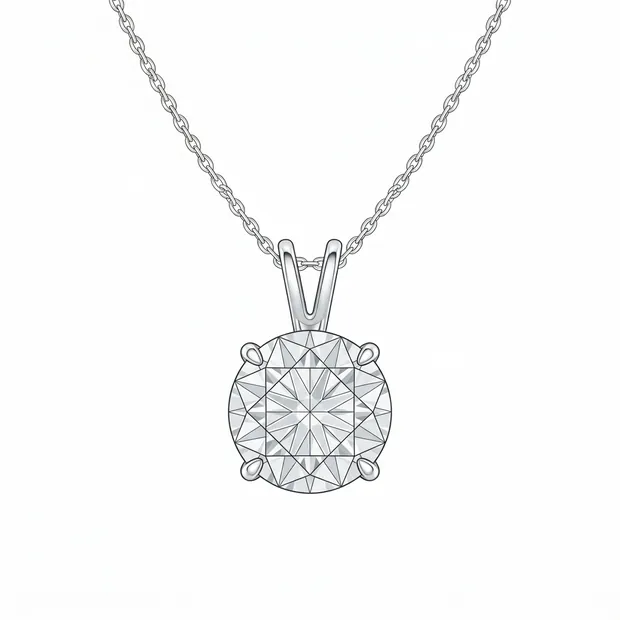
Necklaces
The chain matters more than buyers expect. Check the gauge and the clasp — a heavy pendant on a thin chain is a repair waiting to happen.
Links open each retailer's own category page. Rare Carat links are affiliate links and earn us a commission if you buy, at no extra cost to you. The others are plain links that earn us nothing today. If that changes, this line changes with it. Every relationship is listed on the disclosure page.
Why there is no single number
Carat is one of four grades, and it is the only one that is a measurement rather than a judgement. The other three — cut, colour, clarity — are what create the spread.
Fix the weight at one carat and you have fixed one variable out of six. The remaining five are cut grade, colour grade, clarity grade, grading laboratory, and whether the stone is natural or lab-grown. Each of them moves the price, some of them a great deal.
That is why every published "1 carat diamond price" is either a range so wide it is useless or a single number that is quietly wrong.
What moves the number most
Natural or lab-grown is the largest single factor by a distance, and it is not close. Everything below applies within each category, not across them.
Cut grade comes next, and it is the one worth protecting. As our 4Cs guide explains, cut governs how the stone returns light — the only property a person notices from across a room. A superbly cut stone in modest colour and clarity will out-sparkle a poorly cut one two grades higher on both.
Clarity moves the price steeply at the top of the scale, and this is where informed buyers save. Clarity grades count and size inclusions; they say nothing about where those inclusions sit. If you can see the stone properly, you can shop a grade or two lower, confirm the inclusions fall somewhere invisible, and keep the difference.
Colour compresses dramatically once a stone is set. Grading happens face-down under controlled light against a master set — conditions nobody wears jewellery in. In yellow or rose gold, the metal warms the stone regardless, so a top colour grade in a yellow setting is money the mounting erases.
Grading laboratory matters more than most buyers realise. Grades are comparable within a laboratory, not across them. A stone that looks like a bargain against its specification is sometimes just a stone graded generously somewhere. See our certification guide.
The carat break — the one reliable saving
Prices step sharply at round weights. The market pays a premium for the number on the certificate, so a stone just under one carat frequently costs meaningfully less than one just over it.
The part that makes this work: the millimetre difference is far smaller than the price difference. A stone slightly below the round number measures almost identically across the top, which is the only dimension anyone sees. The rest of the weight sits in depth, below the girdle, where it is invisible.
Compare the millimetre measurements on the grading report, not just the carat figure. This is the single most reliable way to spend less without the ring looking any different.
How big is it, actually
A well-proportioned one-carat round measures about 6.5 mm across. The stone just below a full carat measures about 6.2 mm — a difference of roughly 0.3 mm, across the only dimension anyone sees, for a price difference far larger than that.
Our carat size chart gives the millimetres at every weight and explains why weight and size do not scale together.
How to price one today, in five minutes
- Fix a full specification: shape, carat, colour, clarity, cut grade, and grading laboratory. A one-carat round, G colour, VS1 clarity, GIA-graded is the most-shopped combination and a fair benchmark.
- Open two retailers from the buttons on this page and set identical filters at both.
- Sort by price and compare the cheapest exact match.
Two things that will otherwise mislead you. Check whether a promotion is running at one and not the other — that turns a comparison into noise. And check fluorescence: it is not one of the 4Cs but it moves the price, and a stone that looks impossibly cheap for its grades often has strong fluorescence.
What a price chart cannot tell you
Charts average across cut quality, which is the grade that decides how the stone looks. Two stones at the chart's midpoint can be a beautiful ring and a dull one.
That is the case for pricing a specification rather than a weight — and for looking at the actual stone before you commit, which is what makes the retailers with real imaging worth their premium.
Common questions
How much is a 1 carat diamond?
The honest answer is a range, not a number — the same weight spans roughly a fivefold spread depending on cut, colour, clarity, whether it is natural or lab-grown, and which laboratory graded it. Any single figure you read is out of date within weeks. Fix a full specification and price it live at two retailers; that takes five minutes and gives you a real answer instead of an average.
Why do we not publish a price chart?
Because it would be wrong by the time you read it, and a stale price reads as a fact. Diamond pricing moves constantly and depends on six variables, not one. What does not go stale is how the pricing works, which is what this page explains.
Is a 1 carat diamond a good size?
It is the most-shopped weight in the market, which is precisely why it carries a price premium. A stone just below the round number frequently costs meaningfully less while measuring almost identically across the top — where you actually see it.
How much is a 1 carat lab-grown diamond?
Substantially less than a natural stone of the same specification, and the gap has widened as production scaled. That is excellent for what you get today and poor for resale. Our lab-grown guide sets out both sides.