Guide
How much to spend
The three-months-salary rule was written by an advertising agency in the 1930s. Here is a way to set a number that is actually about you.

Check live prices — we don't print them here, because they change daily.
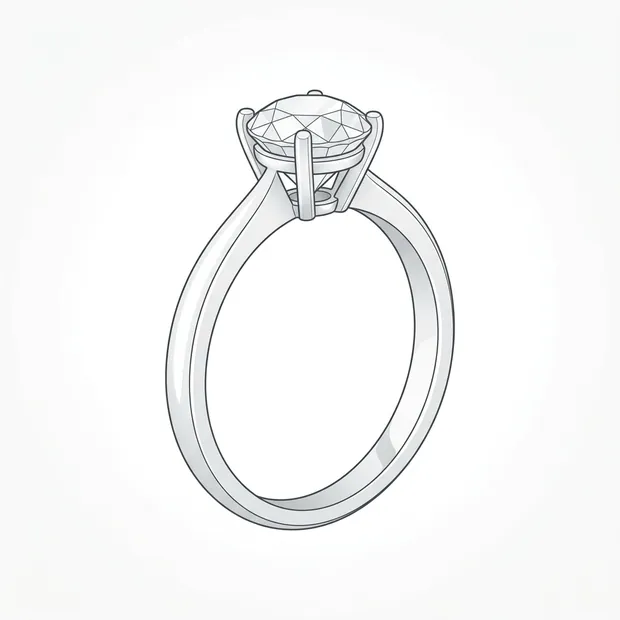
Rings
The centre stone is where nearly all the money goes. Compare the same specification at each — shape, carat, colour, clarity, cut grade and grading laboratory held identical, or you are not comparing anything.
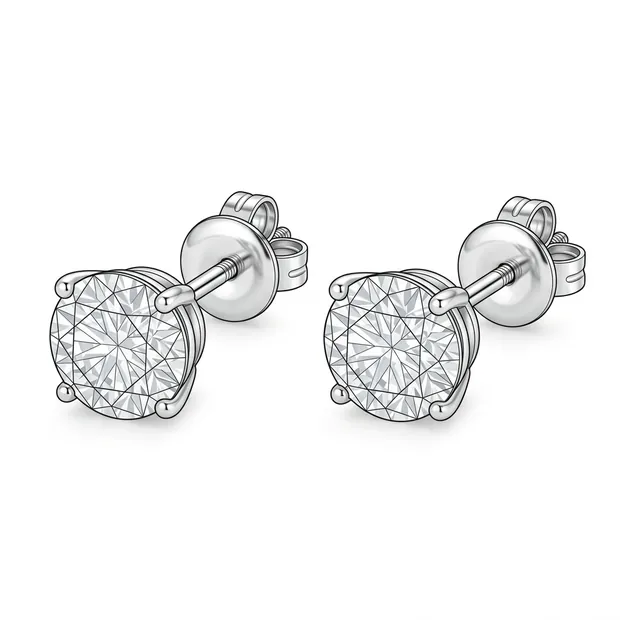
Earrings
Sold by total carat weight across the pair, so a 1ct pair is two half-carat stones. Cheap enough to make a sensible first purchase from a retailer you have not used before.
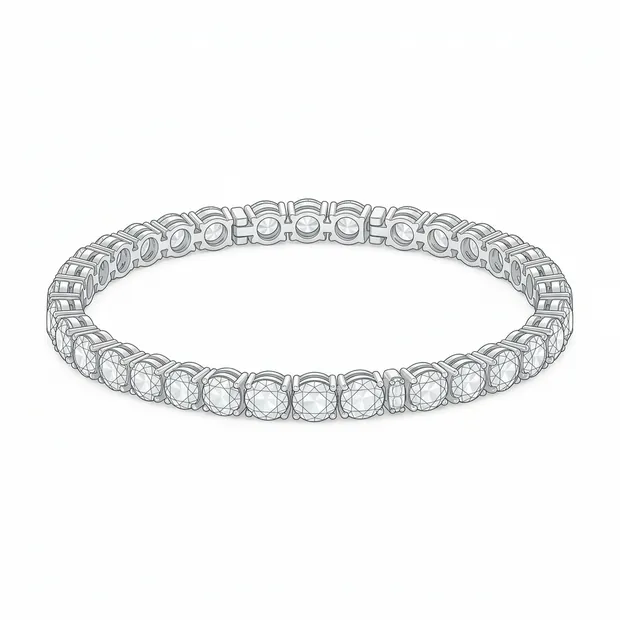
Bracelets
Check the clasp and the safety catch before the stone quality. A tennis bracelet that springs open on the wrist is the most common way people lose one.
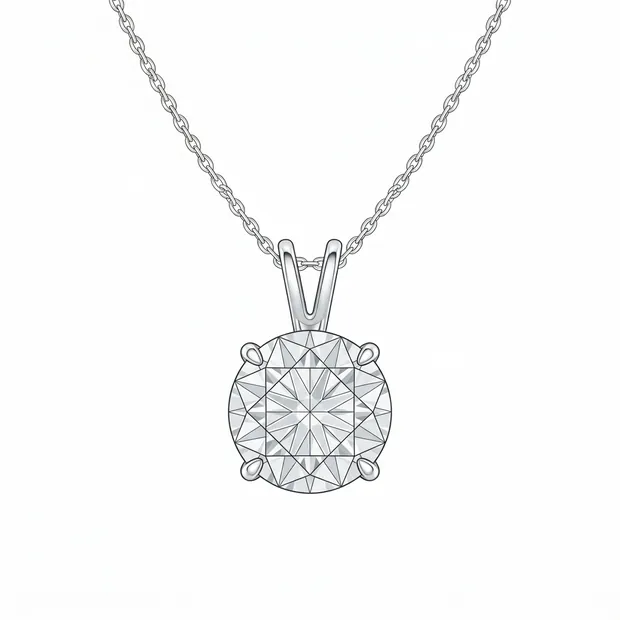
Necklaces
The chain matters more than buyers expect. Check the gauge and the clasp — a heavy pendant on a thin chain is a repair waiting to happen.
Links open each retailer's own category page. Rare Carat links are affiliate links and earn us a commission if you buy, at no extra cost to you. The others are plain links that earn us nothing today. If that changes, this line changes with it. Every relationship is listed on the disclosure page.
Where the rule came from
The idea that an engagement ring should cost some multiple of monthly salary was created by the diamond industry's advertising. It began at one month's earnings, was revised upward to two, and later to three, as campaigns pushed the anchor higher.
That is the entire provenance. There is no tradition behind it, no etiquette authority, and no reason to treat a number invented to increase sales as a guide to your finances.
Published averages are not benchmarks
You will find average spend figures quoted everywhere. Two problems with using them.
They are averages, and this distribution has a long tail — a small number of very large purchases pull the mean well above the median, so the "average ring" costs more than most rings. And many of the widely circulated figures originate with businesses that sell rings or sell to people who sell rings.
A better way to set the number
Start from what you can pay without borrowing, without touching an emergency fund, and without changing plans that matter more — a deposit, a wedding, moving.
Then subtract, because the ring is not the only cost. Insurance is an annual expense from the day it arrives. Resizing may or may not be covered. If the piece is significant, a separate valuation may be needed for cover. Sales tax and duty apply on top of the listed price in most places.
The remainder is the budget. It is the right number because it is the one that leaves the rest of your life intact.
Spending a fixed budget well
Given a number, the allocation matters more than the number does.
Protect cut. It is the only grade that changes what the stone looks like from any normal distance. Everything else is a candidate for compromise; this is not. See the 4Cs guide.
Buy just under a landmark weight. Prices step sharply at round carat figures. A stone slightly below one frequently costs meaningfully less while measuring almost identically across the top, where you actually see it.
Take colour in the near-colourless range. In a white metal, the difference is hard to see without a reference stone alongside. In yellow or rose gold, the setting warms the stone anyway and a top colour grade is money the mounting erases.
Choose clarity by looking, not by grade. Placement decides visibility, and the grade does not describe placement. This is where retailer imaging quality converts directly into money saved, and why we measure it.
Consider lab-grown honestly. At a fixed budget it buys substantially more stone. It also holds value poorly. Both are true — see the comparison.
On financing
Retailers offer instalment plans, and a monthly figure is not a price. Two things to read before accepting one.
Deferred-interest promotions are the ones to watch: with some, if any balance remains when the promotional period ends, interest is charged retroactively on the entire original amount rather than the remainder. That converts an apparently free arrangement into an expensive one at the last moment.
And a hard credit check may be run at application, which matters if you have a mortgage application in progress.
We compare what each retailer offers and who actually underwrites it on the financing page.
Common questions
Is the three-month salary rule real?
It is real advertising. The guideline originated in diamond marketing campaigns during the twentieth century — it started at one month's salary, was raised to two, and later to three. It has never had any basis outside the industry that benefits from it.
How much do people actually spend on an engagement ring?
Reported averages vary widely by survey and are pulled upward by a small number of very large purchases. The median is well below the average, and a large share of buyers spend considerably less than either figure. Treat published averages as marketing inputs rather than benchmarks.
Where should I spend the money within a fixed budget?
Cut first, always. Then buy a stone just under a landmark carat weight, take a colour grade in the near-colourless range, and choose clarity by looking at the stone rather than by the grade. That order buys the best-looking ring per dollar.
Is financing an engagement ring a good idea?
It depends entirely on the terms. Deferred-interest offers can retroactively charge the full interest on the original balance if any part remains at the end of the promotional period. Read the specific terms before treating a monthly figure as the price.