Head to head
Rare Carat vs Brilliant Earth: opposite ends of one market
This is the widest gap of any comparison on the site. One searches every vendor it can reach and surfaces the cheapest stone that meets your specification. The other charges a premium precisely because it restricts what it will sell you. They are not competing for the same buyer.
We earn a commission if you buy through links on this page, at no extra cost to you. It never changes what a policy says — see our methodology and full disclosure. We are not affiliated with any retailer reviewed here; all trademarks belong to their owners.
Check live prices — we don't print them here, because they change daily.
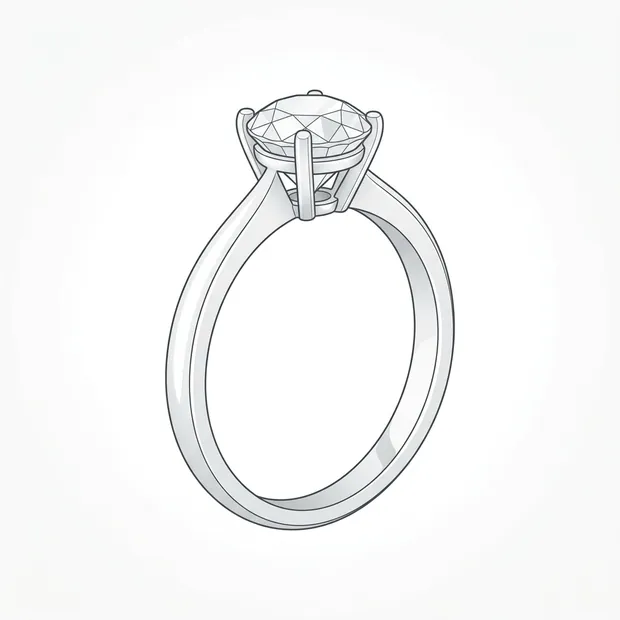
Rings
The centre stone is where nearly all the money goes. Compare the same specification at each — shape, carat, colour, clarity, cut grade and grading laboratory held identical, or you are not comparing anything.
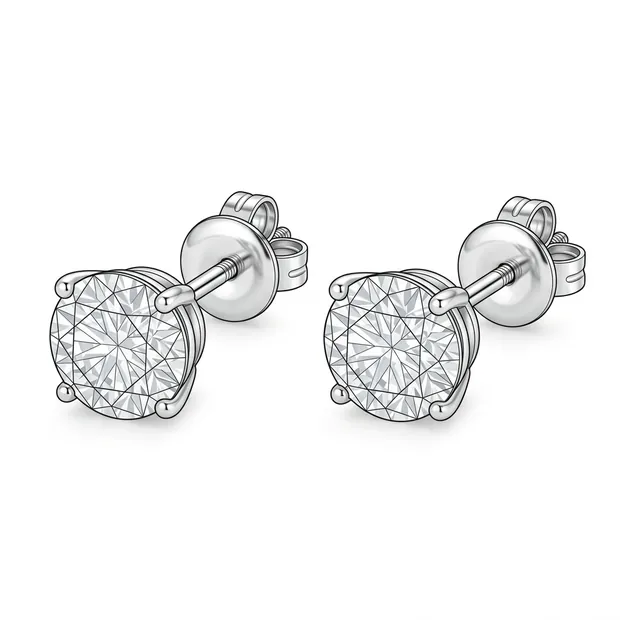
Earrings
Sold by total carat weight across the pair, so a 1ct pair is two half-carat stones. Cheap enough to make a sensible first purchase from a retailer you have not used before.
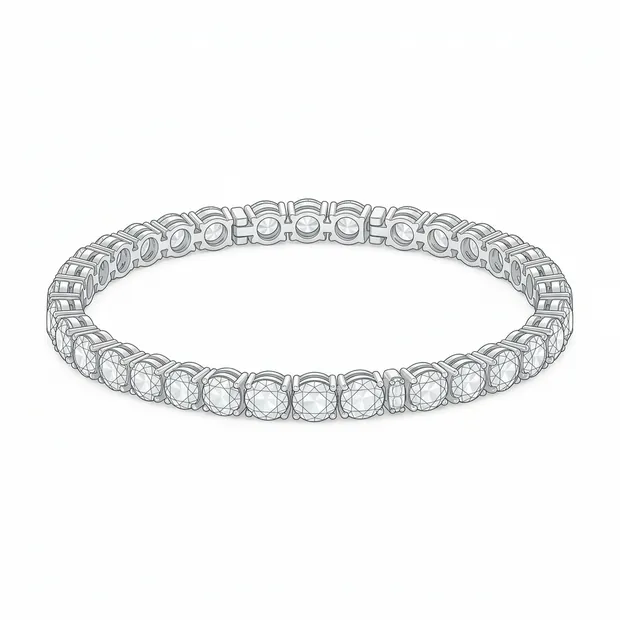
Bracelets
Check the clasp and the safety catch before the stone quality. A tennis bracelet that springs open on the wrist is the most common way people lose one.
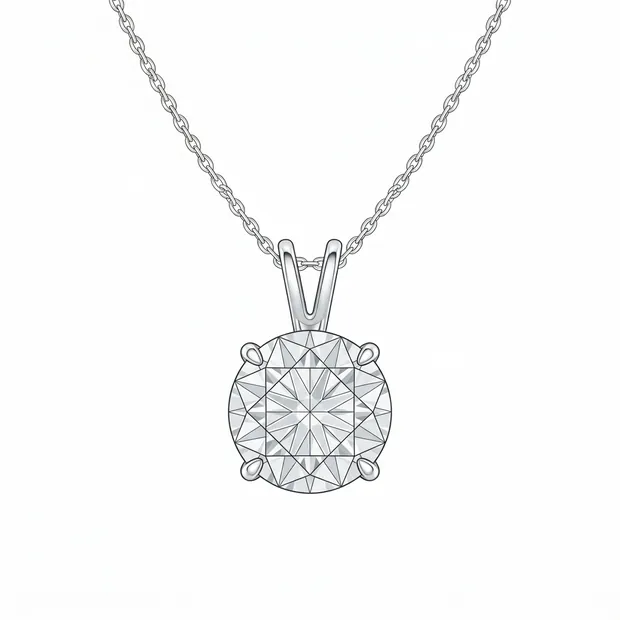
Necklaces
The chain matters more than buyers expect. Check the gauge and the clasp — a heavy pendant on a thin chain is a repair waiting to happen.
Links open each retailer's own category page. Rare Carat links are affiliate links and earn us a commission if you buy, at no extra cost to you. The others are plain links that earn us nothing today. If that changes, this line changes with it. Every relationship is listed on the disclosure page.
| Rare Carat | Brilliant Earth | |
|---|---|---|
| Business model | Marketplace over third-party inventory | Retailer with its own supply chain |
| Optimised for | Lowest price on a given specification | Documented origin and design |
| Sourcing standard | Whatever the underlying vendor meets | Published origin data on a large share of stock |
| Who is accountable | The vendor, with the marketplace in between | Brilliant Earth, directly |
| Return terms | Vary by listing | One policy across the site |
| Showrooms | None — the vendors may have their own | Network across major US cities |
| Price, matched 1ct G VS1 | Check live — see below | Check live — see below |
Pick Rare Carat if
- Price is the deciding factor and you know your specification exactly
- You are willing to check each listing's vendor and terms individually
- You want a benchmark against a quote you already have
Pick Brilliant Earth if
- Where the stone came from is a condition of the purchase, not a preference
- You want to see the ring in person before committing
- You would rather have one company answerable for the next decade
Why the gap is so wide
Most comparisons on this site are between businesses doing the same thing slightly differently. This one is not.
Rare Carat is a search engine over other vendors' inventory, and its entire value is finding the lowest price for a specification. Brilliant Earth is a retailer whose premium exists because it restricts what enters its inventory in the first place — that restriction is the product.
You cannot optimise for both. A marketplace that filtered vendors on provenance would surface higher prices; a retailer that chased the lowest price would loosen the filter. Each has made the opposite choice deliberately.
What that means for sourcing
If documented origin is why you are shopping, an aggregator is structurally the wrong instrument, regardless of how good it is at its job.
Stones on a marketplace come from whichever vendor holds them, and that vendor's standard applies. In practice this means the industry baseline — which, as our lab-grown guide and the Brilliant Earth review both set out, addresses conflict financing rather than labour conditions or environmental impact.
Brilliant Earth goes further than that baseline. That is real, and it is what the premium buys. It is also worth stating plainly that going further does not make other retailers' stones unethical — they meet the same standard as most of the market.
What that means for recourse
Our returns comparison can state one policy for Brilliant Earth and cannot state one for Rare Carat, because two listings on the same results page can carry different windows and different exclusions. That single limitation is the structural difference in one line.
On the day of purchase it barely matters. It matters when something needs fixing in year five, and service routes back to whichever vendor sold the stone.
The price gap, measured
We do not publish a price table. Diamond pricing moves daily and depends on the exact specification, so any figure here would be wrong within weeks — and a stale number is worse than none, because it looks like a fact. Set identical filters at both retailers using the buttons below and compare the cheapest exact match. Five minutes, and the answer is today's.
How most people should actually use these two
Not as an either/or decision made in advance.
Price your specification on the marketplace first. It takes minutes and tells you the market rate for the stone you want. Then look at Brilliant Earth's price for the same specification and decide whether the difference is worth traceability, a showroom appointment and one accountable company.
That is a decision with a number attached, which is a great deal better than choosing between "cheapest" and "ethical" as slogans.
Common questions
Is Rare Carat cheaper than Brilliant Earth?
On matched specifications, almost always — one optimises for the lowest available price across vendors, the other charges a premium for traceability and showrooms. The useful question is not which is cheaper but how large the gap is on the stone you want, which our matched-price table answers.
Does Rare Carat offer ethically sourced diamonds?
Its stones come from underlying vendors, so the sourcing standard is whatever each vendor meets — typically the industry baseline. If documented origin is the reason you are shopping, an aggregator is structurally the wrong tool, because it optimises for price across suppliers rather than filtering them on provenance.
Which is safer for a large purchase?
Brilliant Earth keeps one company accountable from purchase through to a repair years later. With a marketplace, service returns to the original vendor, and whether that vendor is still trading in five years is outside anyone's control. On a piece worn daily for decades that is worth weighing against the saving.
Can I use both?
Yes, and it is the sensible approach. Price your specification on the marketplace to learn what the market rate is, then decide whether Brilliant Earth's premium is worth it with an actual number in front of you rather than an impression.