Head to head
James Allen vs Brilliant Earth: see the stone or trace it
This comparison had a clean answer until March, when Signet announced it is closing jamesallen.com. If you are buying today the question is largely settled; if you already own a James Allen piece, the differences below still explain what you have and what you would be moving to.
We earn a commission if you buy through links on this page, at no extra cost to you. It never changes what a policy says — see our methodology and full disclosure. We are not affiliated with any retailer reviewed here; all trademarks belong to their owners.
Check live prices — we don't print them here, because they change daily.
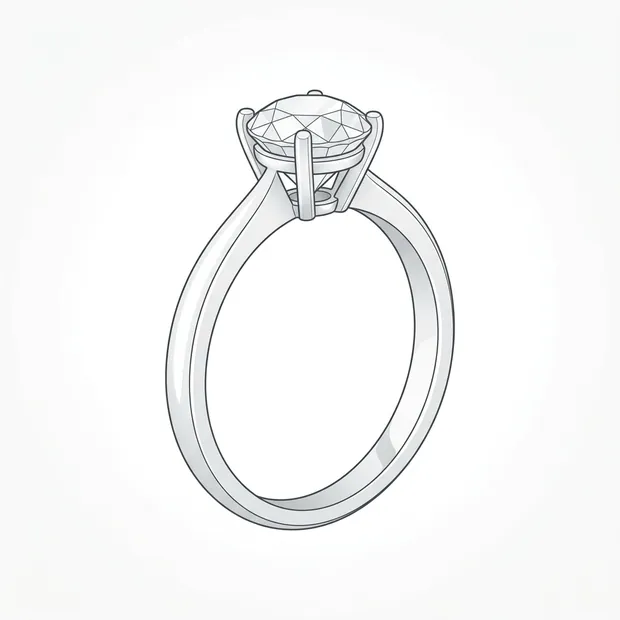
Rings
The centre stone is where nearly all the money goes. Compare the same specification at each — shape, carat, colour, clarity, cut grade and grading laboratory held identical, or you are not comparing anything.
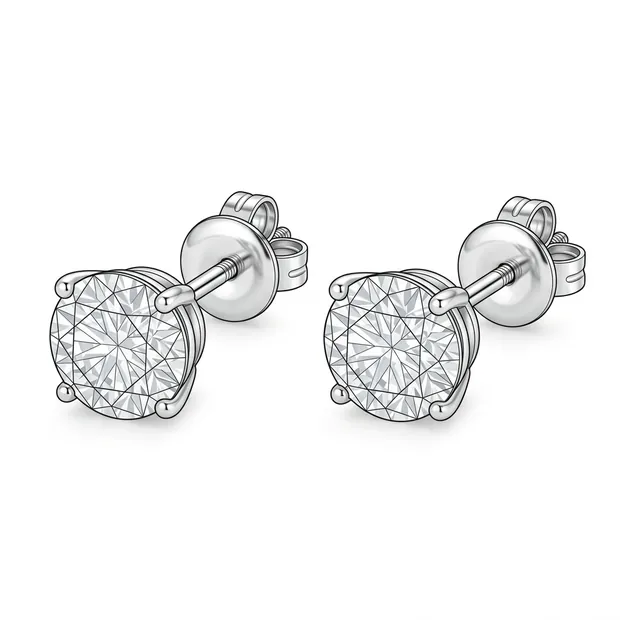
Earrings
Sold by total carat weight across the pair, so a 1ct pair is two half-carat stones. Cheap enough to make a sensible first purchase from a retailer you have not used before.
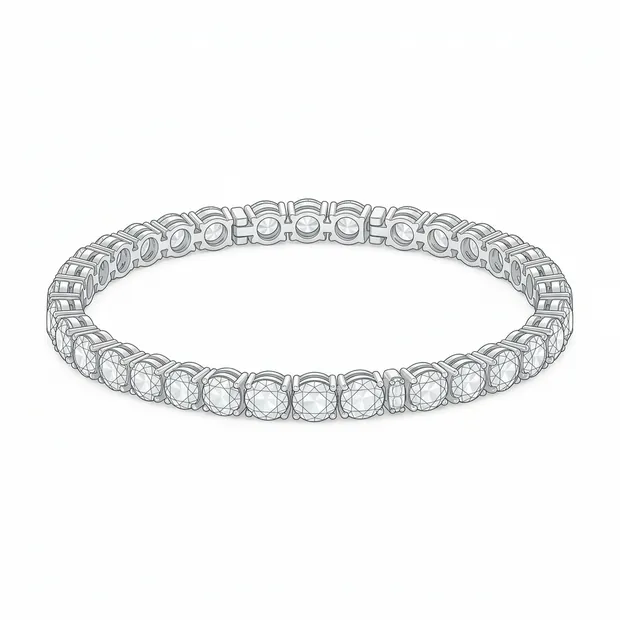
Bracelets
Check the clasp and the safety catch before the stone quality. A tennis bracelet that springs open on the wrist is the most common way people lose one.
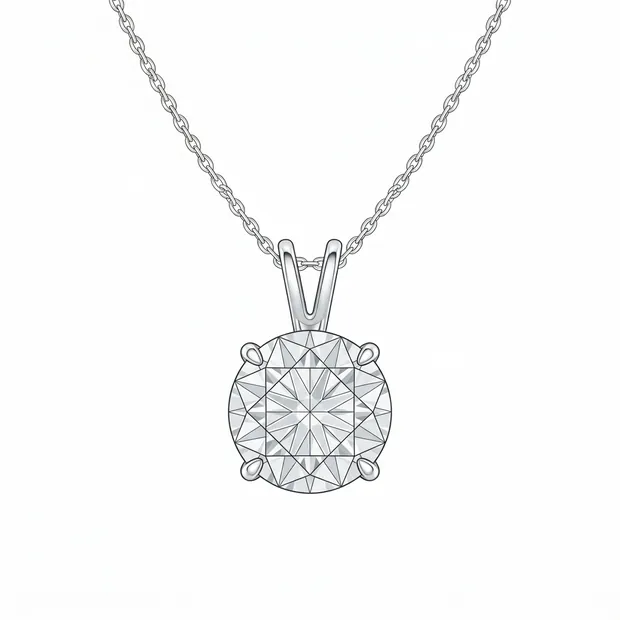
Necklaces
The chain matters more than buyers expect. Check the gauge and the clasp — a heavy pendant on a thin chain is a repair waiting to happen.
Links open each retailer's own category page. Rare Carat links are affiliate links and earn us a commission if you buy, at no extra cost to you. The others are plain links that earn us nothing today. If that changes, this line changes with it. Every relationship is listed on the disclosure page.
| James Allen | Brilliant Earth | |
|---|---|---|
| Built around | Diamond imaging and inspection | Traceable sourcing and design |
| Owner | Signet Jewelers | Brilliant Earth Group (NASDAQ: BRLT) |
| Trading since | 2006 | 2005 |
| Imaging coverage | Actual-stone photography on part of the range | 360° video across most of the range |
| Sourcing standard | Industry baseline; supply chain not published | Published origin on a large share of stock |
| Showrooms | Not yet measured | Network across major US cities |
| Price, matched 1ct G VS1 | Check live — see below | Check live — see below |
| Lab-grown emphasis | Large selection, priced competitively | Promoted as the house recommendation |
Pick James Allen if
- You want to judge the actual stone rather than trust the grades
- You are shopping a clarity grade where inclusion placement decides everything
- You want the most stone your budget will buy and can inspect it yourself
Pick Brilliant Earth if
- Documented origin is a condition of the purchase
- You want a showroom appointment before committing
- The setting design matters as much as the stone in it
Read this first
Signet announced in March that it is retiring jamesallen.com and continuing James Allen as a collection within Blue Nile. That does not make the comparison below wrong, but it does change what to do with it: if you are choosing where to buy now, weigh Brilliant Earth against Blue Nile or Grown Brilliance instead. Our closure explainer covers what existing owners should confirm in writing.
Two premiums, bought for different things
Neither of these is the cheapest way to buy a diamond, and each has a coherent reason for it.
James Allen charges for inspection. The imaging is the product, and the argument for it runs opposite to how premiums usually work — see below.
Brilliant Earth charges for provenance. Traceable sourcing and a showroom network both cost money to operate, and the price reflects that.
The question is not which premium is larger. It is which one buys something you will actually use.
The imaging premium is not really a premium
This is the point most comparisons miss.
A clarity grade counts and sizes inclusions and says nothing about where they sit — see the 4Cs guide. Two stones with an identical grade from the same laboratory can look entirely different depending on whether an inclusion lands under the table or hides at the girdle behind a prong.
If you cannot see the stone, you buy the grade as insurance. If you can see it properly, you can shop a grade or two lower, confirm the inclusions fall somewhere invisible, and pocket the difference.
So the imaging does not cost you money in the way a premium normally does. It changes which stone you can safely buy, and on any stone of size the saving exceeds whatever the listing premium is. That is the case for James Allen in one paragraph.
The provenance premium is a real thing you cannot get elsewhere
Brilliant Earth's sourcing position is more substantiated than the industry baseline, and the baseline is narrower than most buyers assume. If where the stone came from genuinely matters to you, there is no version of James Allen that provides it — the supply chain simply is not published.
That is a clean, honest trade. What it is not is a claim that James Allen's diamonds are problematic. They meet the same standard as most of the US market.
Showrooms, and the warranty consequence
Brilliant Earth's showroom network has a practical benefit that never appears in a feature comparison.
As the warranty comparison sets out, having a third-party jeweller work on a ring commonly voids the manufacturer's warranty. Service therefore has to route back to the seller. Whether that means walking into a location or posting a valuable item and waiting depends entirely on the seller's physical footprint.
The first time a prong needs tightening, that difference is the whole experience.
Where the price lands
We do not publish a price table. Diamond pricing moves daily and depends on the exact specification, so any figure here would be wrong within weeks — and a stale number is worse than none, because it looks like a fact. Set identical filters at both retailers using the buttons below and compare the cheapest exact match. Five minutes, and the answer is today's.
The short answer
If you want to look at the diamond before you buy it, James Allen. If you want to know where it came from, Brilliant Earth. Both are defensible; neither is a compromise.
The mistake is paying Brilliant Earth's premium for reasons that have nothing to do with provenance, or choosing James Allen and then not using the imaging you paid for.
Common questions
Which is more expensive, James Allen or Brilliant Earth?
Brilliant Earth generally sits above James Allen on identical specifications, because the traceability programme and the showroom network both cost money to run. The size of the gap changes constantly — set the same filters at both and compare the cheapest exact match on the day you buy.
Does Brilliant Earth have better diamond imaging than James Allen?
James Allen built the company around imaging and it remains the reason to shop there. Brilliant Earth's coverage is good. Test it yourself in two minutes: open the grading report, find the largest inclusion on the plot diagram, and see whether you can locate it in each viewer.
Are James Allen's diamonds ethically sourced?
They meet the industry baseline, which addresses conflict financing rather than labour conditions or environmental impact. Brilliant Earth goes further and charges for it. Whether that difference matters is a question about your priorities, not about whether one retailer is selling something disreputable.
Which is better for lab-grown diamonds?
Both carry large selections. Brilliant Earth promotes lab-grown more actively, which fits its positioning. James Allen tends to price them keenly. Read our lab-grown guide first — the resale picture is the part neither retailer emphasises.