Head to head
Brilliant Earth vs VRAI: whose claim can you check?
Both sell on sustainability, and both mean something real by it. But they are answering different questions, and only one of them owns the process it is making claims about. That distinction is the whole comparison.
We earn a commission if you buy through links on this page, at no extra cost to you. It never changes what a policy says — see our methodology and full disclosure. We are not affiliated with any retailer reviewed here; all trademarks belong to their owners.
Check live prices — we don't print them here, because they change daily.
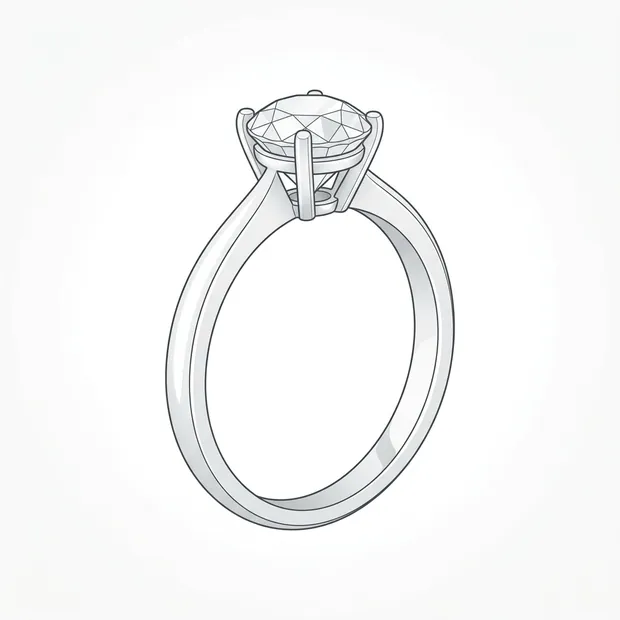
Rings
The centre stone is where nearly all the money goes. Compare the same specification at each — shape, carat, colour, clarity, cut grade and grading laboratory held identical, or you are not comparing anything.
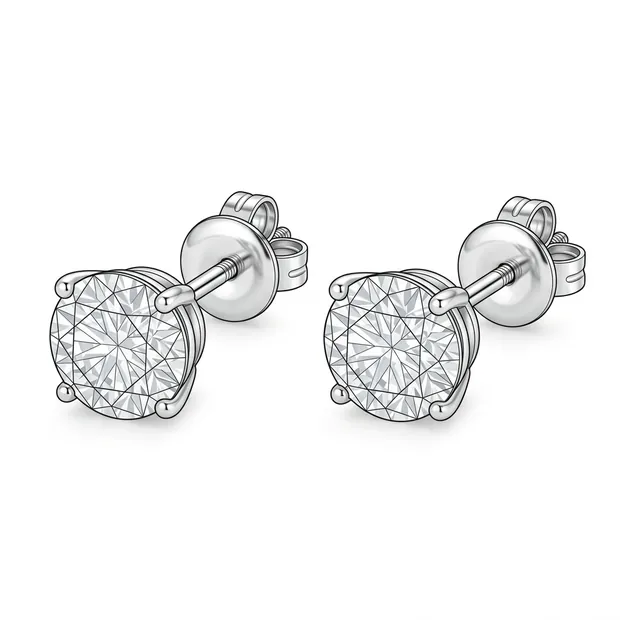
Earrings
Sold by total carat weight across the pair, so a 1ct pair is two half-carat stones. Cheap enough to make a sensible first purchase from a retailer you have not used before.
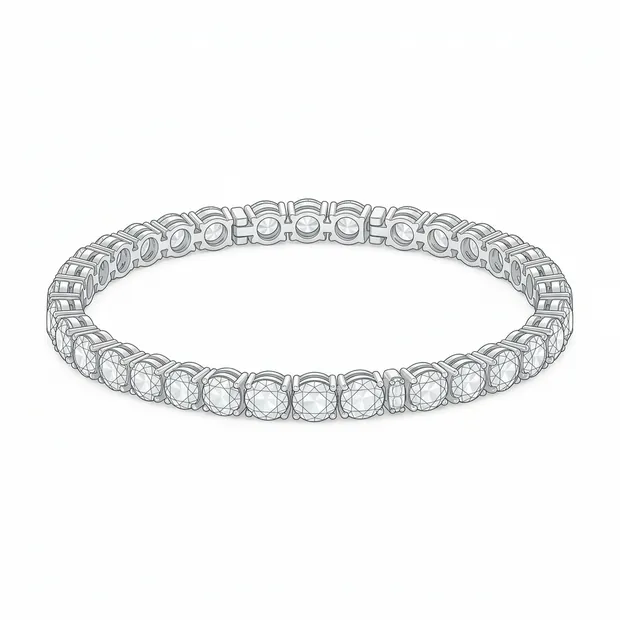
Bracelets
Check the clasp and the safety catch before the stone quality. A tennis bracelet that springs open on the wrist is the most common way people lose one.
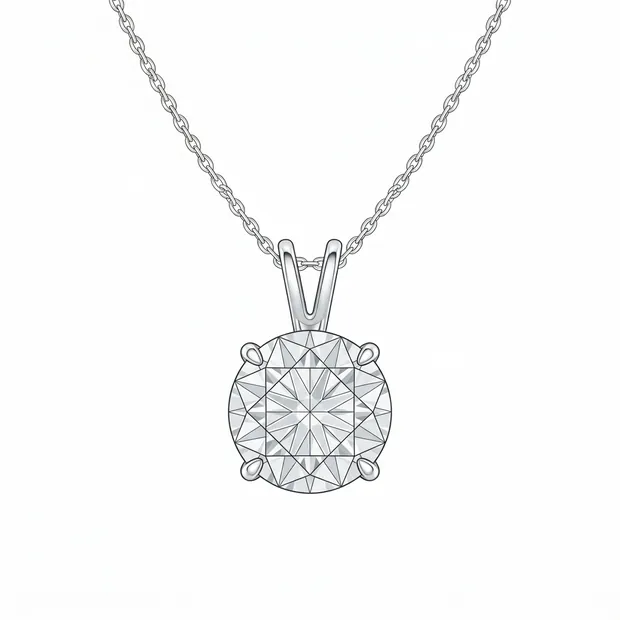
Necklaces
The chain matters more than buyers expect. Check the gauge and the clasp — a heavy pendant on a thin chain is a repair waiting to happen.
Links open each retailer's own category page. Rare Carat links are affiliate links and earn us a commission if you buy, at no extra cost to you. The others are plain links that earn us nothing today. If that changes, this line changes with it. Every relationship is listed on the disclosure page.
| Brilliant Earth | VRAI | |
|---|---|---|
| Inventory | Natural and lab-grown | Lab-grown only |
| Sources stones from | A supplier network, with origin published on much of the natural stock | Its own parent company's foundry |
| The claim rests on | Traceability in mined supply chains | Owning production, with a named facility and energy source |
| Owner | Brilliant Earth Group (NASDAQ: BRLT) | Diamond Foundry |
| Showrooms | Network across major US cities | Limited |
| Cutting | Not published | United States |
Pick Brilliant Earth if
- You want natural stones with documented origin, not only lab-grown
- A showroom appointment matters to you
- You want a longer-established retailer behind a lifetime warranty
Pick VRAI if
- You want the environmental claim to be checkable rather than asserted
- Lab-grown is already decided
- US production and cutting matter to you specifically
Two different claims
The word sustainable is doing different work at each of these retailers, and separating them is the useful part of this comparison.
Brilliant Earth is answering: where did this mined stone come from? Its case rests on publishing origin information on a large share of natural stock, plus recycled metals. That goes meaningfully past the industry baseline, which as our review explains only addresses conflict financing.
VRAI is answering: how was this stone made and with what energy? It sells only lab-grown diamonds, grown by its parent company at a named facility running on hydroelectric power, then cut and finished in the United States.
Why the structural difference matters
We raise the same objection on every lab-grown page on this site: growing diamonds is energy-intensive, how clean that energy is varies enormously between producers, and almost nobody discloses it.
Most retailers cannot answer that, because they buy from a network of growers and do not know themselves. That includes Brilliant Earth's lab-grown range.
VRAI can answer it because the grower and the retailer are one company. That is not moral superiority; it is supply chain structure. But it does mean one of these two is making a claim you can check and the other is making one you have to accept.
Where Brilliant Earth wins outright
Natural stones. If you want a mined diamond with documented origin, VRAI does not sell one. That is not a shortcoming — it is a deliberate position — but it removes the option entirely.
Showrooms. As our warranty comparison notes, outside repairs commonly void a warranty, so service routes back to the seller. A showroom network makes that walk-in rather than post.
Longevity. Brilliant Earth is older, larger and publicly traded. A lifetime warranty is a forty-year promise.
The point that applies to both
Lab-grown prices keep falling, resale is poor, and neither retailer's environmental positioning changes that. Our lab-grown price guide covers what that means for upgrade credits in particular.
If price per carat is what you are optimising, neither of these is your answer — the lab-grown specialists like Clean Origin and Grown Brilliance compete there and these two do not.
Common questions
Which is more sustainable, Brilliant Earth or VRAI?
They are answering different questions. Brilliant Earth's case is about traceability in mined supply chains, which is a real step past the industry baseline and mostly concerns its natural stones. VRAI's is about owning lab-grown production outright, so it can name the facility and the energy source. If you want a claim you can verify, VRAI's structure makes that possible; if you want documented origin on a mined stone, only Brilliant Earth offers it.
Is VRAI more expensive than Brilliant Earth?
Both price at a premium and for different reasons — one for traceability and showrooms, the other for owning production and US cutting. Which is cheaper on your specification changes constantly; set the same filters at both and compare the cheapest exact match.
Does VRAI sell natural diamonds?
No. It sells only lab-grown stones grown by its parent company. Brilliant Earth carries both, so it is the one that leaves the decision open.