Head to head
Blue Nile vs James Allen: the comparison Signet just settled
Signet owns both, and in March it announced it is closing jamesallen.com and folding the brand into Blue Nile. That answers this comparison more decisively than any feature table could — but if you already own a James Allen ring, the differences between the two still matter, and one of them is worth money to you right now.
We earn a commission if you buy through links on this page, at no extra cost to you. It never changes what a policy says — see our methodology and full disclosure. We are not affiliated with any retailer reviewed here; all trademarks belong to their owners.
Check live prices — we don't print them here, because they change daily.
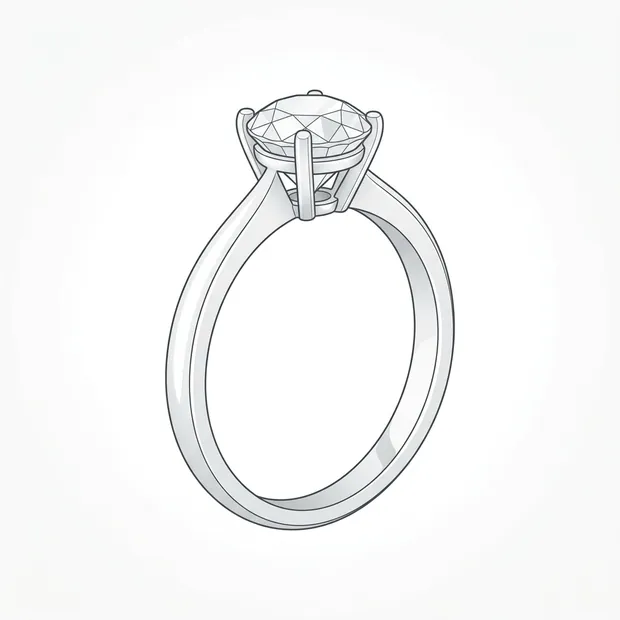
Rings
The centre stone is where nearly all the money goes. Compare the same specification at each — shape, carat, colour, clarity, cut grade and grading laboratory held identical, or you are not comparing anything.
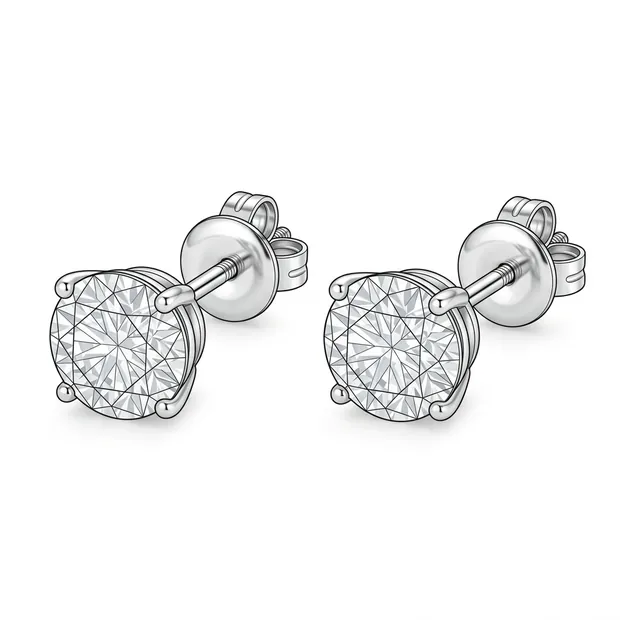
Earrings
Sold by total carat weight across the pair, so a 1ct pair is two half-carat stones. Cheap enough to make a sensible first purchase from a retailer you have not used before.
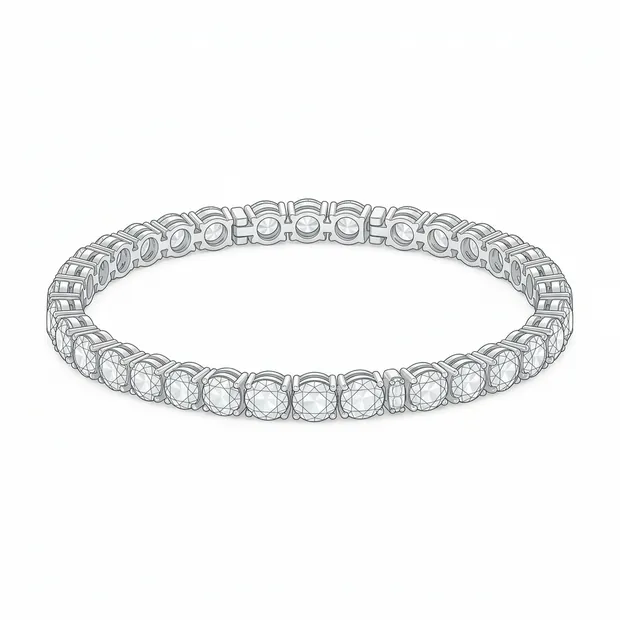
Bracelets
Check the clasp and the safety catch before the stone quality. A tennis bracelet that springs open on the wrist is the most common way people lose one.
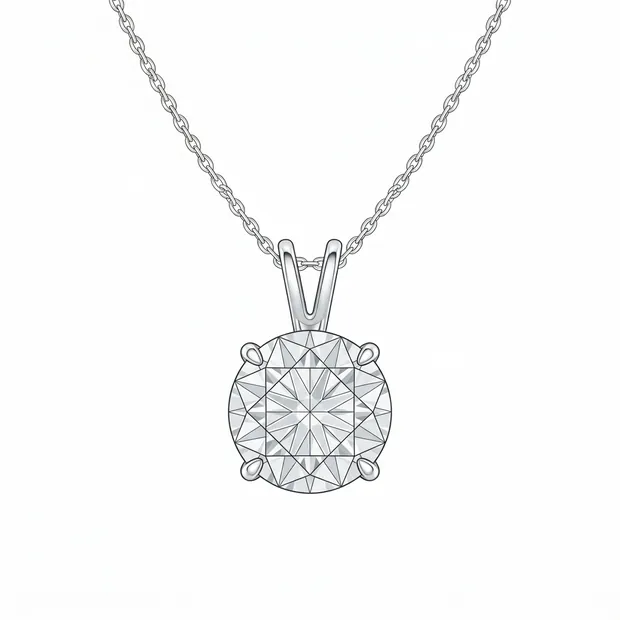
Necklaces
The chain matters more than buyers expect. Check the gauge and the clasp — a heavy pendant on a thin chain is a repair waiting to happen.
Links open each retailer's own category page. Rare Carat links are affiliate links and earn us a commission if you buy, at no extra cost to you. The others are plain links that earn us nothing today. If that changes, this line changes with it. Every relationship is listed on the disclosure page.
| Blue Nile | James Allen | |
|---|---|---|
| Owner | Signet Jewelers | Signet Jewelers |
| Trading since | 1999 | 2006 |
| Built around | Price and inventory breadth | Diamond imaging and inspection |
| Price, matched 1ct G VS1 | Check live — see below | Check live — see below |
| Imaging coverage | Actual-stone photography on part of the range | 360° video across most of the range |
| Return window | 30 days from shipment | 30 days |
| Free resizing | Resizing forfeits the return right | One free resize within the first year |
Pick Blue Nile if
- You know the specification you want and are shopping on price
- The setting is a plain solitaire or classic band
- You are comfortable buying on a certificate without inspecting the stone
Pick James Allen if
- You want to look at the actual diamond before committing
- You are buying in a clarity grade where inclusion placement decides the outcome
- You would rather ask a gemologist about a specific stone than read a report alone
The ownership fact, and what it changes
Signet Jewelers acquired James Allen in 2017 and Blue Nile in 2022. Both sit under the same parent, alongside Kay and Zales.
This is not a detail. It explains why James Allen collections turn up on Blue Nile's own site, why the two increasingly resemble each other on inventory, and why "which company do I trust more" is not the question people think they are asking. You are choosing between two front ends operated by one owner.
What it does not do is make them interchangeable. The brands were built around different things and still behave differently.
One thing to check before you buy
James Allen's own FAQ, read from the published policy pages, refers to service continuing through James Allen's channels "until the site closes." That phrasing appears alongside language about a transition between the two brands.
We are not going to speculate about what it means or when. What we will say is that if you are choosing between two sites owned by the same company, and one of them refers to its own closure, that is worth a direct question to their customer service before you commit — particularly about how a lifetime warranty and a one-year resize allowance would be honoured afterwards. Ask, get the answer in writing, and keep it.
The one difference that matters
James Allen was built on diamond imaging. Blue Nile was built on price and inventory breadth. Both have moved toward the middle, and the imaging gap is still where the decision lands.
Here is why that is worth money rather than being a nice feature. As the 4Cs guide sets out, a clarity grade counts and sizes inclusions but says nothing about where they sit. Two stones with the same grade from the same laboratory can look entirely different depending on whether an inclusion falls under the table or hides at the girdle.
If you can see the stone properly, you can shop a grade lower and pocket the difference, because you can confirm with your own eyes that the inclusions land somewhere invisible. If you cannot see the stone, you have to buy the grade — which means buying insurance in the form of a higher clarity number.
That is the practical shape of this comparison: good imaging lets you spend less, not more.
Where the price actually lands
We do not publish a price table. Diamond pricing moves daily and depends on the exact specification, so any figure here would be wrong within weeks — and a stale number is worse than none, because it looks like a fact. Set identical filters at both retailers using the buttons below and compare the cheapest exact match. Five minutes, and the answer is today's.
Returns, warranty and service
Both run comparable-sounding programmes, and the differences are in the exclusions rather than the headline. The returns comparison and warranty comparison set out the terms as written, with the dates they were read.
One structural point worth carrying into the decision: where a retailer has showrooms, warranty service can be walked in rather than posted. That never appears in a warranty comparison and it matters the first time a prong needs tightening.
The honest summary
If you want the lowest number for a known specification, Blue Nile is usually where you land. If you want to look at the diamond before you buy it — and in the clarity grades most people shop, that is worth real money — James Allen is the better tool.
Given that one company collects either way, choose on which of those two you actually need.
Common questions
Is James Allen shutting down?
The website is. Signet announced in March that it would close jamesallen.com and continue James Allen as a collection inside Blue Nile. The brand name survives; the standalone shop does not. Our closure explainer covers what to do if you already bought there.
Did Blue Nile buy James Allen?
Neither bought the other. Signet Jewelers acquired James Allen in 2017 and Blue Nile in 2022, so both became subsidiaries of the same parent, which also owns Kay and Zales. The consolidation announced in March is the end of that arrangement.
Are Blue Nile and James Allen the same company?
Same owner, separate brands. They run their own sites, their own pricing and their own customer service, and they are positioned differently on purpose. Inventory and collections increasingly overlap.
Which is cheaper, Blue Nile or James Allen?
It varies by category rather than overall, and it changes daily. Loose stones and settings do not move together, so a retailer cheaper on one can be dearer on the other. Compare them separately, with identical filters, on the day you buy.
Which has better diamond videos?
James Allen was built around its imaging and it remains the reason to shop there. Rather than take our word for it, open a dozen listings at each: find the largest inclusion on the grading report's plot diagram and see whether you can locate it in the viewer.