Head to head
Rare Carat vs Blue Nile: marketplace or retailer
These are not the same kind of business. Blue Nile sells you a diamond. Rare Carat searches other vendors' inventory and hands you to whoever holds the stone. That distinction sets the price advantage and the risk in equal measure.
We earn a commission if you buy through links on this page, at no extra cost to you. It never changes what a policy says — see our methodology and full disclosure. We are not affiliated with any retailer reviewed here; all trademarks belong to their owners.
Check live prices — we don't print them here, because they change daily.
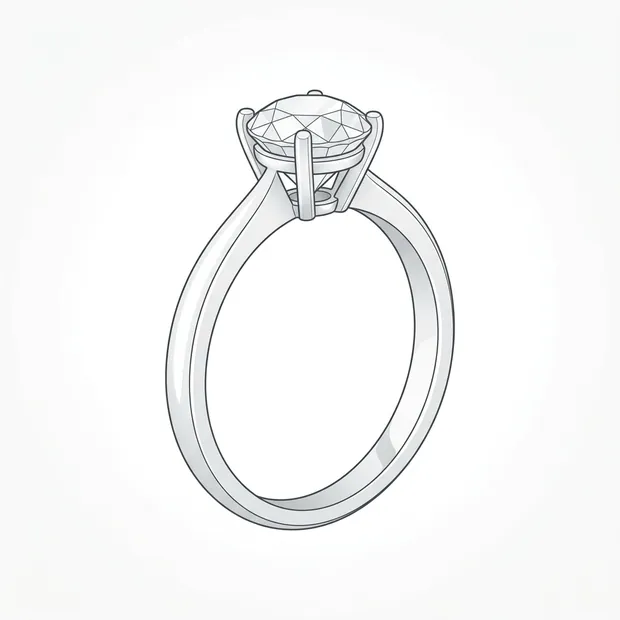
Rings
The centre stone is where nearly all the money goes. Compare the same specification at each — shape, carat, colour, clarity, cut grade and grading laboratory held identical, or you are not comparing anything.
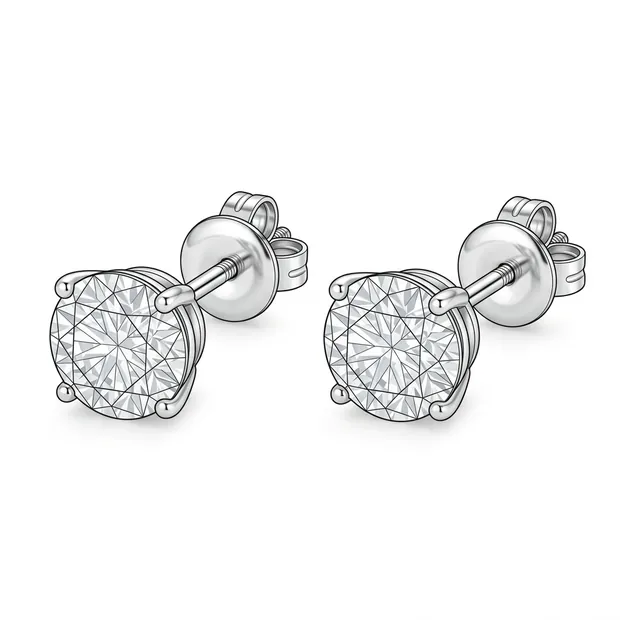
Earrings
Sold by total carat weight across the pair, so a 1ct pair is two half-carat stones. Cheap enough to make a sensible first purchase from a retailer you have not used before.
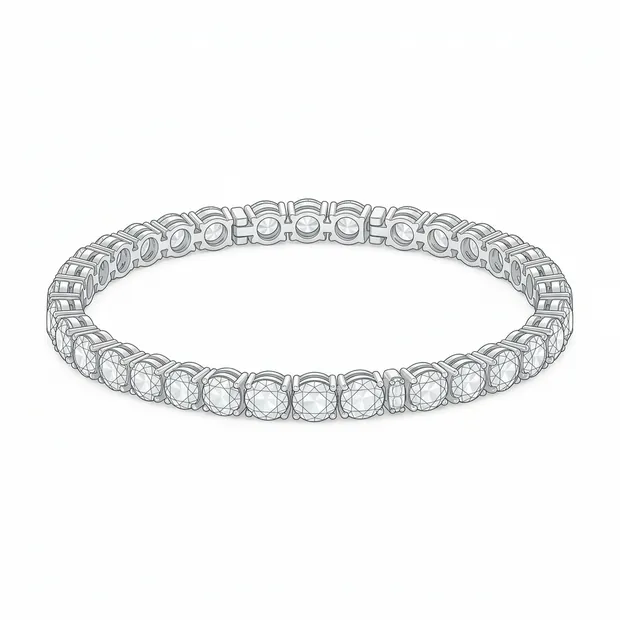
Bracelets
Check the clasp and the safety catch before the stone quality. A tennis bracelet that springs open on the wrist is the most common way people lose one.
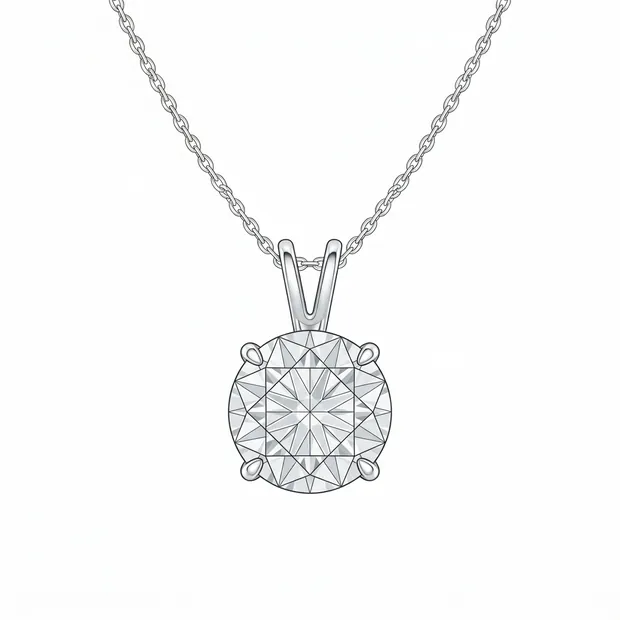
Necklaces
The chain matters more than buyers expect. Check the gauge and the clasp — a heavy pendant on a thin chain is a repair waiting to happen.
Links open each retailer's own category page. Rare Carat links are affiliate links and earn us a commission if you buy, at no extra cost to you. The others are plain links that earn us nothing today. If that changes, this line changes with it. Every relationship is listed on the disclosure page.
| Rare Carat | Blue Nile | |
|---|---|---|
| Business model | Marketplace — searches third-party inventory | Retailer — sells under its own name |
| Who you buy from | The underlying vendor, varies by listing | Blue Nile |
| Who handles a problem | The vendor, with the marketplace in between | Blue Nile directly |
| Return terms | Set by the vendor — check per listing | One policy across the site |
| Price, matched 1ct G VS1 | Check live — see below | Check live — see below |
| Inventory shown | Aggregate across vendors — counted in the review | Counted in the review |
| Owner | Independent | Signet Jewelers |
Pick Rare Carat if
- Price is the priority and you want one search across several vendors
- You are willing to read the specific vendor's terms on the specific listing
- You want a second opinion on a stone you have already found elsewhere
Pick Blue Nile if
- You want one company accountable from purchase through to a repair years later
- You would rather not evaluate a different vendor for each stone
- The purchase is large enough that recourse matters more than the last few percent
Two different businesses
Comparing these two on price alone misses what separates them.
Blue Nile is a retailer. It lists stock under its own name, one return policy covers the site, and one company is answerable from the moment you pay through to a repair years later.
Rare Carat is a marketplace. It searches inventory held by other vendors, shows you what it finds, and passes you to whoever holds the stone. The vendor's terms govern.
Neither model is better. They trade the same thing against each other: price against simplicity of recourse.
What the aggregator model buys you
Searching several vendors at once surfaces the lowest price for a given specification without visiting each site. For a buyer who knows exactly what they want — shape, weight, grades, laboratory — that is genuinely efficient and frequently cheaper.
It is also a useful second opinion. Finding a stone you like at one retailer and checking the same specification across an aggregator takes minutes and tells you whether the price is competitive.
What it costs you
Terms vary per listing. Two stones on the same results page can carry different return windows and different exclusions, because they sit with different vendors. The check is per listing, every time. Our returns comparison can state one policy for a retailer and cannot for a marketplace — that is the difference in one line.
There is an extra party in a dispute. When something goes wrong, you are dealing with the vendor, with the marketplace in between. Usually that is administrative friction. Occasionally it is the difference between a problem being someone's clear responsibility and being nobody's.
Long-term service is fragmented. A ring needing work in five years goes back to the original vendor, not to the marketplace. Whether that vendor is still trading, and on what terms, is outside anyone's control.
Where the price lands
We do not publish a price table. Diamond pricing moves daily and depends on the exact specification, so any figure here would be wrong within weeks — and a stale number is worse than none, because it looks like a fact. Set identical filters at both retailers using the buttons below and compare the cheapest exact match. Five minutes, and the answer is today's.
How to choose
Weigh the saving against the recourse, using the actual numbers rather than the principle.
If the marketplace saves a meaningful sum on the specification you want and the vendor's terms read acceptably, take it. If the difference is a few percent, the retailer's single point of accountability is worth more than the margin on a purchase of this size — and it is worth more again if the ring is going to be worn every day for decades.
For most buyers the sensible sequence is to search both, then decide with two real prices and two real policies in front of you rather than on a rule of thumb.
Common questions
Is Rare Carat legit?
It is a real, established marketplace and its reviews are broadly strong. The thing to understand is structural rather than a question of legitimacy: it does not hold the diamonds. You buy from an underlying vendor, and that vendor's terms — not Rare Carat's — govern your return and your recourse.
Is Rare Carat cheaper than Blue Nile?
Frequently, because it prices across several vendors at once and surfaces the lowest. Whether it is cheaper on the specific stone you want is a question our matched-price table answers rather than a general rule.
Who handles a return with Rare Carat?
The vendor who sold the stone, under that vendor's policy. Terms can differ between two listings on the same page, so the check happens per listing.
Does Rare Carat sell its own diamonds?
It operates as an aggregator over other vendors' inventory. That is the source of both its pricing advantage and the extra step between you and whoever is responsible if something goes wrong.