Head to head
Blue Nile vs Brilliant Earth: what the premium buys
These two are not competing on the same thing. Blue Nile sells the keenest price on a certified stone; Brilliant Earth sells documented provenance and a showroom you can walk into. The only question worth answering is what the gap between them costs.
We earn a commission if you buy through links on this page, at no extra cost to you. It never changes what a policy says — see our methodology and full disclosure. We are not affiliated with any retailer reviewed here; all trademarks belong to their owners.
Check live prices — we don't print them here, because they change daily.
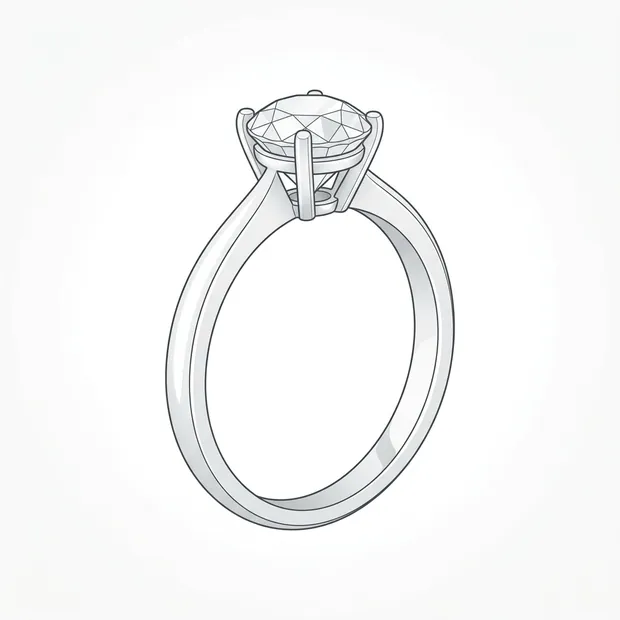
Rings
The centre stone is where nearly all the money goes. Compare the same specification at each — shape, carat, colour, clarity, cut grade and grading laboratory held identical, or you are not comparing anything.
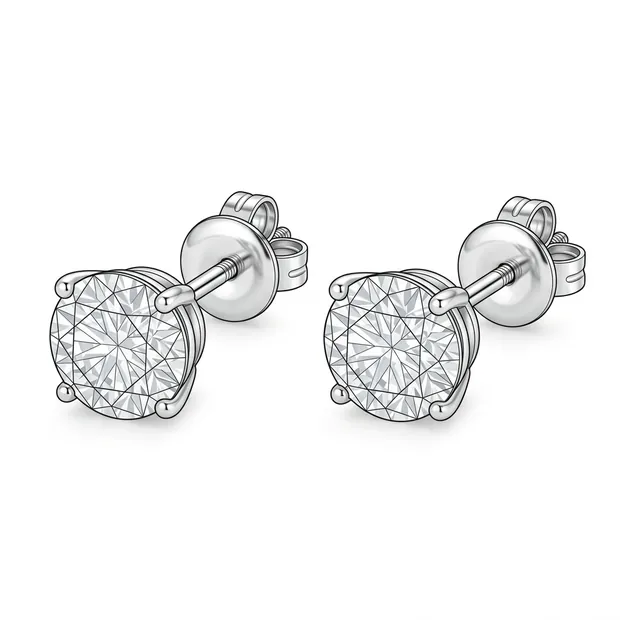
Earrings
Sold by total carat weight across the pair, so a 1ct pair is two half-carat stones. Cheap enough to make a sensible first purchase from a retailer you have not used before.
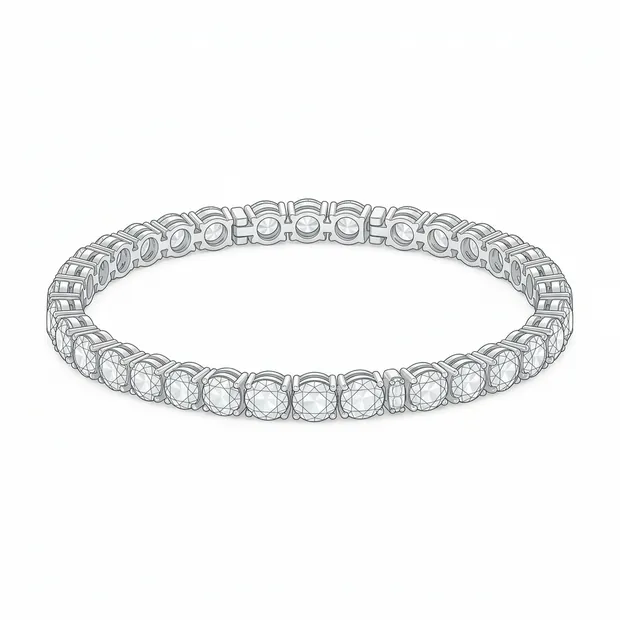
Bracelets
Check the clasp and the safety catch before the stone quality. A tennis bracelet that springs open on the wrist is the most common way people lose one.
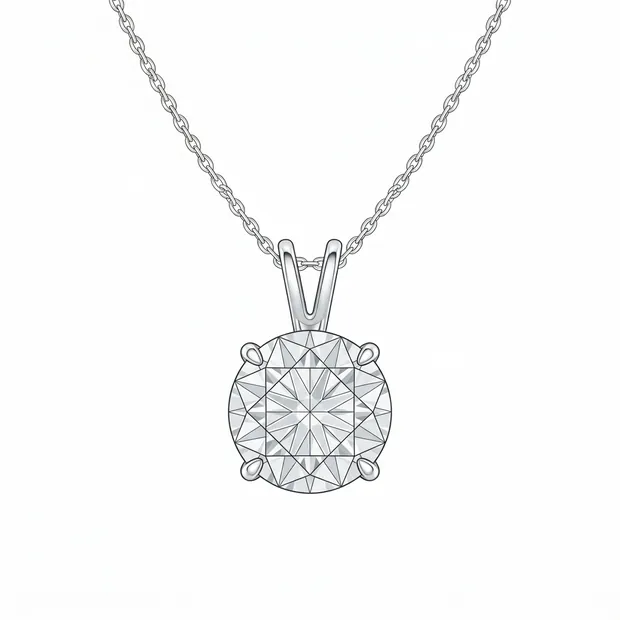
Necklaces
The chain matters more than buyers expect. Check the gauge and the clasp — a heavy pendant on a thin chain is a repair waiting to happen.
Links open each retailer's own category page. Rare Carat links are affiliate links and earn us a commission if you buy, at no extra cost to you. The others are plain links that earn us nothing today. If that changes, this line changes with it. Every relationship is listed on the disclosure page.
| Blue Nile | Brilliant Earth | |
|---|---|---|
| Price, matched 1ct G VS1 | Check live — see below | Check live — see below |
| Sourcing claim | Kimberley Process compliant; supplier network not published | Traceable to named mine or region on a large share of stock |
| Imaging | Actual-stone photography on part of the inventory | 360° video on most of the inventory |
| Lab-grown range | Broad, priced aggressively | Broad, and pushed harder as the house recommendation |
| Showrooms | Limited US locations | Showroom network across major US cities, by appointment |
| Returns | 30 days from shipment; free labels capped at two per year | 30 days; free shipping both ways |
| Owner | Signet Jewelers | Brilliant Earth Group, listed on NASDAQ as BRLT |
Pick Blue Nile if
- The budget is fixed and you want the largest, cleanest stone it will buy
- You are comfortable buying on a certificate rather than a showroom visit
- You want a plain solitaire or a classic band without a designer markup
Pick Brilliant Earth if
- Documented sourcing is a condition of the purchase, not a nice-to-have
- You want to see the ring in person before committing
- The setting design matters as much as the stone
The premium, and how to size it yourself
We do not publish a price table. Diamond pricing moves daily and depends on the exact specification, so any figure here would be wrong within weeks — and a stale number is worse than none, because it looks like a fact. Set identical filters at both retailers using the buttons below and compare the cheapest exact match. Five minutes, and the answer is today's.
Why the sourcing difference is real but narrow
Almost every retailer says "conflict free". Under the Kimberley Process that phrase means one specific thing: the stone did not finance an armed rebellion against a recognised government. It says nothing about working conditions, environmental damage, or where the stone was actually mined.
Brilliant Earth goes further than that baseline, which is the honest version of its marketing. What it does not do is make Blue Nile's diamonds unethical by comparison — they are held to the same industry standard as nearly everything else sold in the United States.
Who owns whom, and why it matters
Blue Nile belongs to Signet Jewelers, which also owns James Allen, Kay and Zales. Brilliant Earth is independent and publicly traded. This changes nothing about the stones, but it does explain why Blue Nile and James Allen increasingly share inventory and collections while positioning themselves differently.
The third option nobody mentions
If your reason for reading this page is price, neither of these is necessarily the answer — Rare Carat searches several vendors' inventory at once and frequently undercuts both. It is worth ten minutes before you commit to either.
Common questions
Is Brilliant Earth more expensive than Blue Nile?
On matched specifications, generally yes. The premium pays for traceable sourcing, recycled metal, and the showroom network. Whether that is worth it is a question about your priorities, not about value for money — you are buying different things.
Is Brilliant Earth's ethical sourcing claim real?
It is more substantiated than the industry baseline. Most jewellers stop at Kimberley Process compliance, which only addresses conflict financing. Brilliant Earth publishes origin information on a large share of its stock and uses recycled precious metals. It is a real difference, and it is also the thing you are paying the premium for.
Which has better diamond imaging?
Brilliant Earth, on coverage. Neither matches James Allen, which is the reason that comparison exists separately.
Do they have the same return policy?
The headline windows are similar; the exclusions are where they differ, and that is the part that decides real cases. Our returns comparison sets out both, taken from each retailer's own policy page with the date it was read.