Guide
Finding a ring size without asking
Four methods, ranked by how often they actually work, plus the one thing that matters more than getting it right: what the retailer charges to fix it.
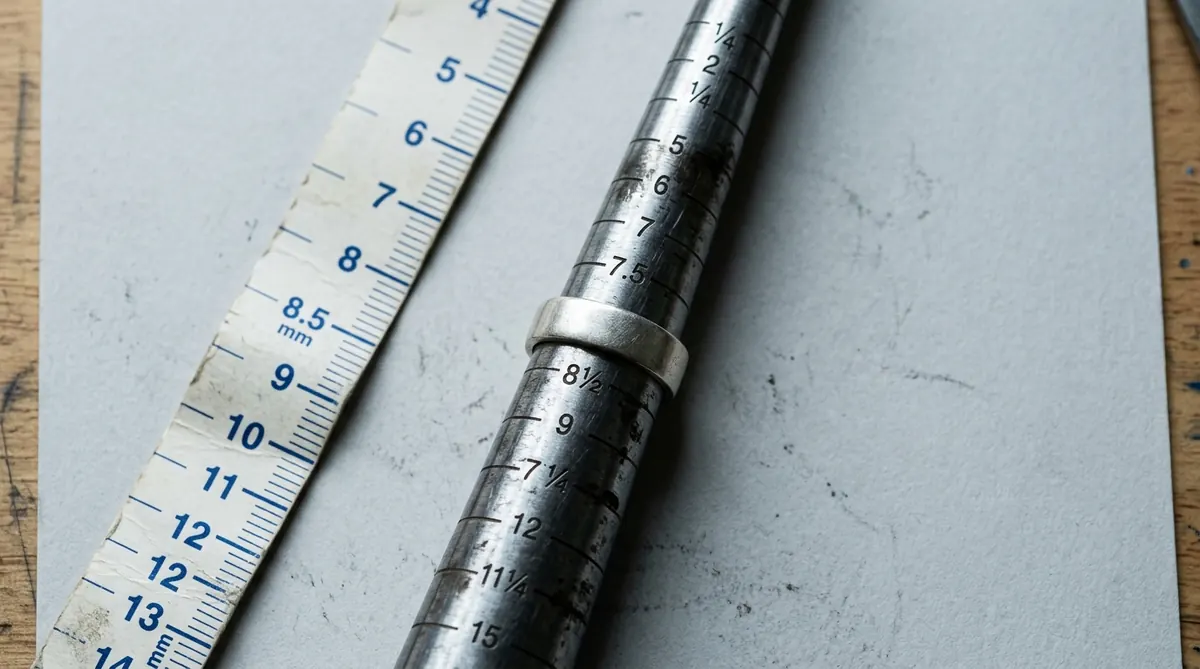
Check live prices — we don't print them here, because they change daily.
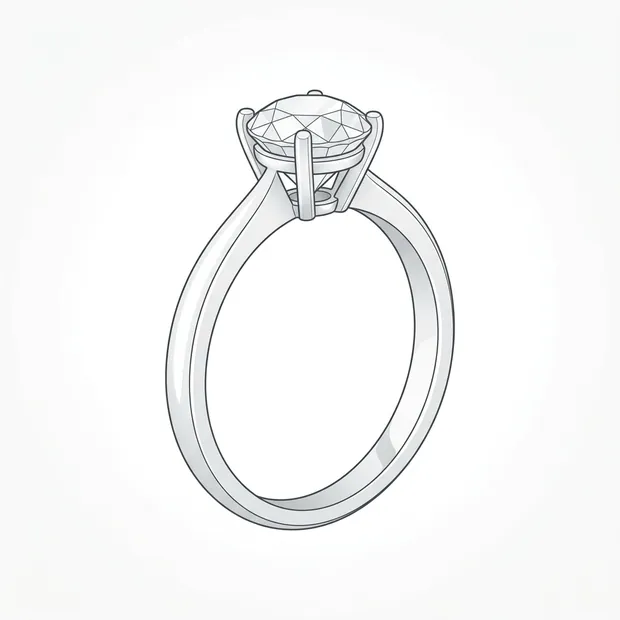
Rings
The centre stone is where nearly all the money goes. Compare the same specification at each — shape, carat, colour, clarity, cut grade and grading laboratory held identical, or you are not comparing anything.
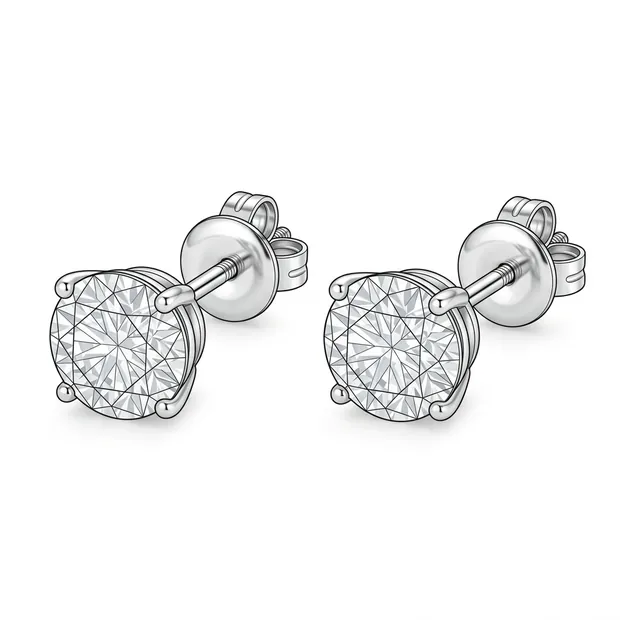
Earrings
Sold by total carat weight across the pair, so a 1ct pair is two half-carat stones. Cheap enough to make a sensible first purchase from a retailer you have not used before.
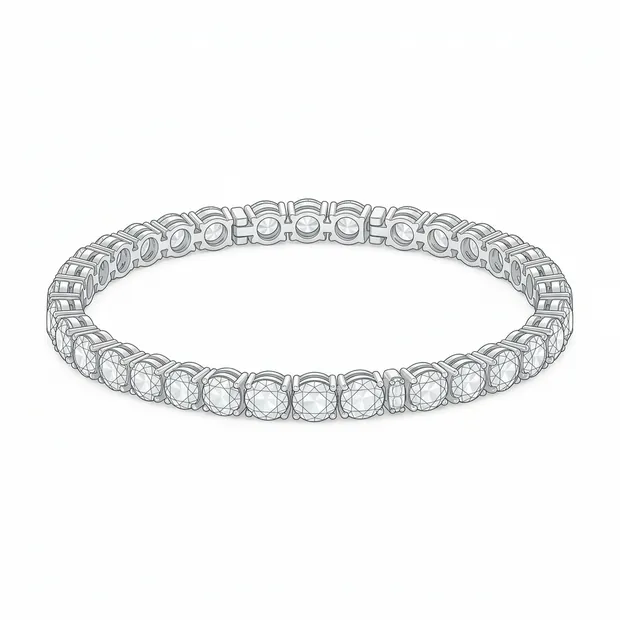
Bracelets
Check the clasp and the safety catch before the stone quality. A tennis bracelet that springs open on the wrist is the most common way people lose one.
Necklaces
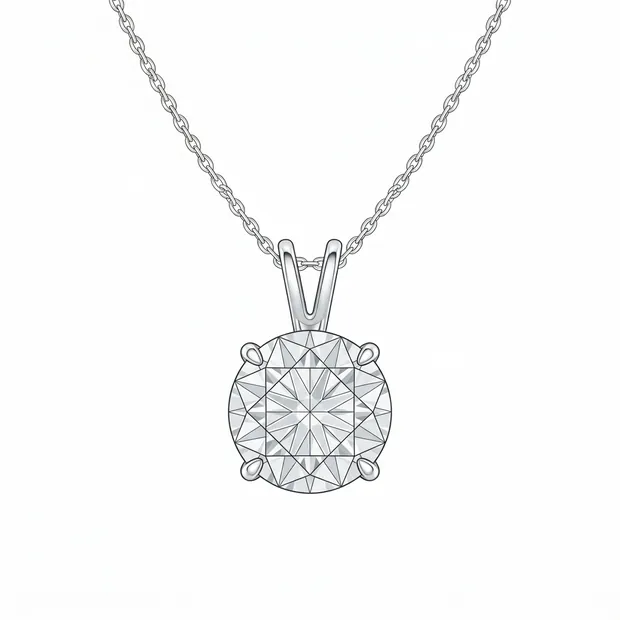
The chain matters more than buyers expect. Check the gauge and the clasp — a heavy pendant on a thin chain is a repair waiting to happen.
Links open each retailer's own category page. Rare Carat links are affiliate links and earn us a commission if you buy, at no extra cost to you. The others are plain links that earn us nothing today. If that changes, this line changes with it. Every relationship is listed on the disclosure page.
If the ring is a surprise, you need a size without asking for one. Here are the approaches that work, in order of reliability.
1. Borrow a ring she already wears
The most accurate method by a distance. Take a ring worn on the correct finger — the ring finger of the correct hand, since fingers differ — to any jeweller and have it measured. Free, takes a minute.
If you cannot leave with it, press it into a bar of soap to hold the impression, or trace the inside circle on paper and measure the diameter. Both are less precise than a jeweller's mandrel but far better than guessing.
2. Ask someone who can ask
A close friend, a sister, a mother. This works better than people expect, because the question is unremarkable coming from them and deeply suspicious coming from you.
3. Measure a finger while she is asleep
Sometimes suggested, rarely successful, and it wakes people. Included because you will find it recommended elsewhere and should know the success rate is low.
4. Use a printable sizer, carefully
Most retailers offer one. They work, with a caveat that defeats most users: the sheet must print at exactly 100% scale, with "fit to page" and "shrink to fit" turned off, and you must verify the printed ruler against a real one before using it. A few percent of scaling error is a full size.
Several retailers will also post a free plastic sizer, which removes the printing problem entirely. If time allows, that is the better option.
Things that move a finger size
- Fingers swell in heat and shrink in cold; a measurement taken on a hot afternoon and one taken on a winter morning can differ by half a size
- Fingers are usually slightly larger at the end of the day
- Wide bands fit more tightly than narrow ones at the same nominal size, so a wide band often needs a quarter to half size up
- Knuckles larger than the base of the finger set the real constraint — the ring has to pass the knuckle and then not spin
The part that actually matters
Getting it wrong is normal and easily fixed. What is not always easily fixed is the terms.
Before buying, check three things in the retailer's own policy: how long the free resizing window runs, whether the specific setting can be resized at all, and whether resizing affects the return right. Eternity bands set all the way around frequently cannot be resized, and a resize can end the return window on some policies.
We read those terms in full for each retailer rather than taking them from the marketing page — see the returns and resizing comparison.
Common questions
What is the most common ring size?
Roughly a US 6 to 6.5 for women and 9 to 10 for men, which is why retailers stock those depths. It is a reasonable fallback if you have no better information, and a poor substitute for measuring.
Are printable ring sizers accurate?
Only if printed at exactly 100% scale with no page fitting applied, and verified against a ruler afterwards. Most people skip the verification step, and a small scaling error moves the result by a full size.
Can a ring be resized after purchase?
Usually, within limits. Plain bands resize easily; eternity rings set all the way round often cannot be resized at all, and tension settings are difficult. Check the resizing window and its exclusions before buying, not after.
Should I size up or down if unsure?
Up. A ring slightly too large can be worn temporarily and adjusted; one too small cannot be worn at all, which is a worse moment to discover a problem.